18. Juli 1926:  Dijon - Paris (341 Kilometer, 1412 Höhenmeter)

Scroll down for the English version | Défilez vers le bas pour la version française
Etappenort: Dijon

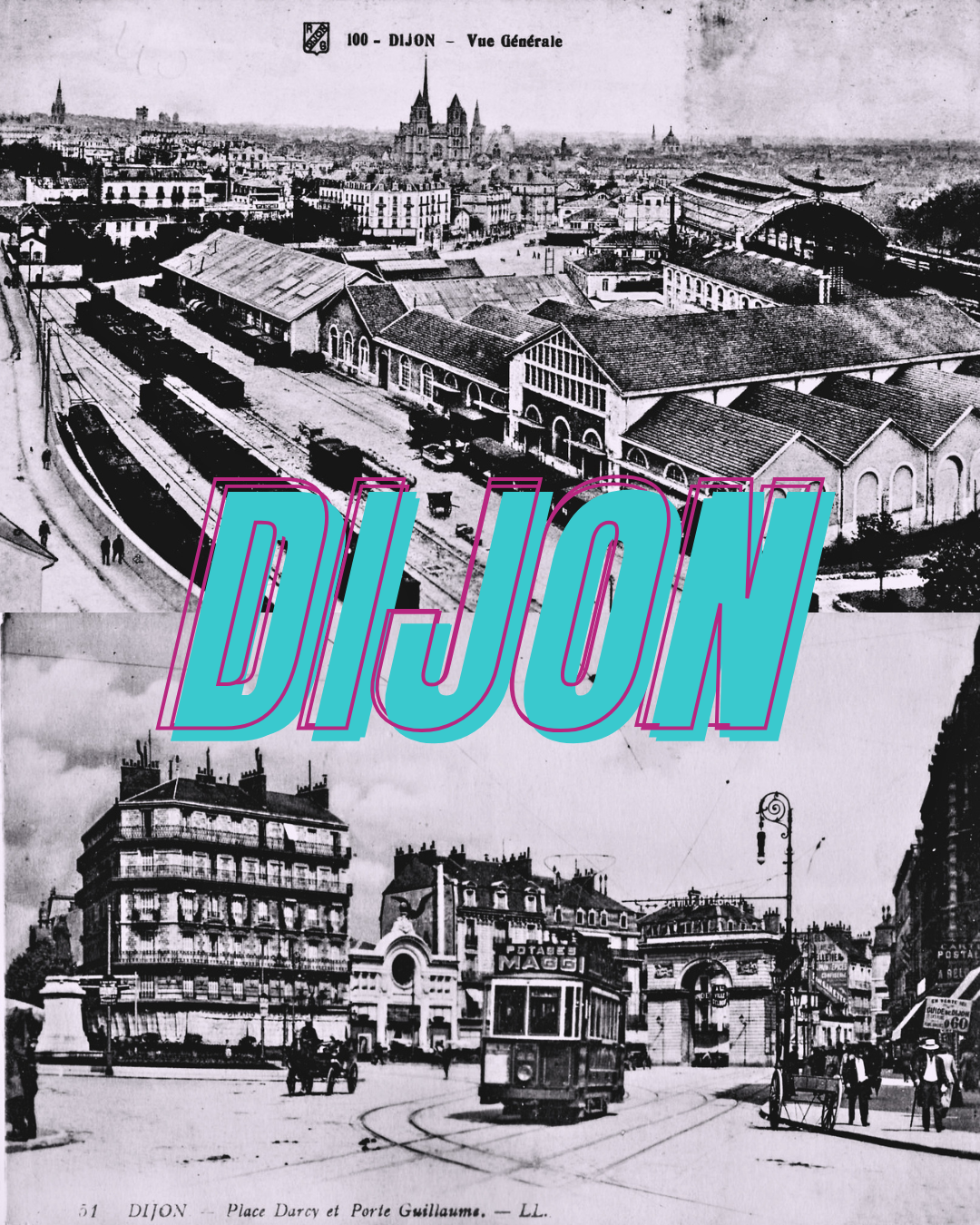
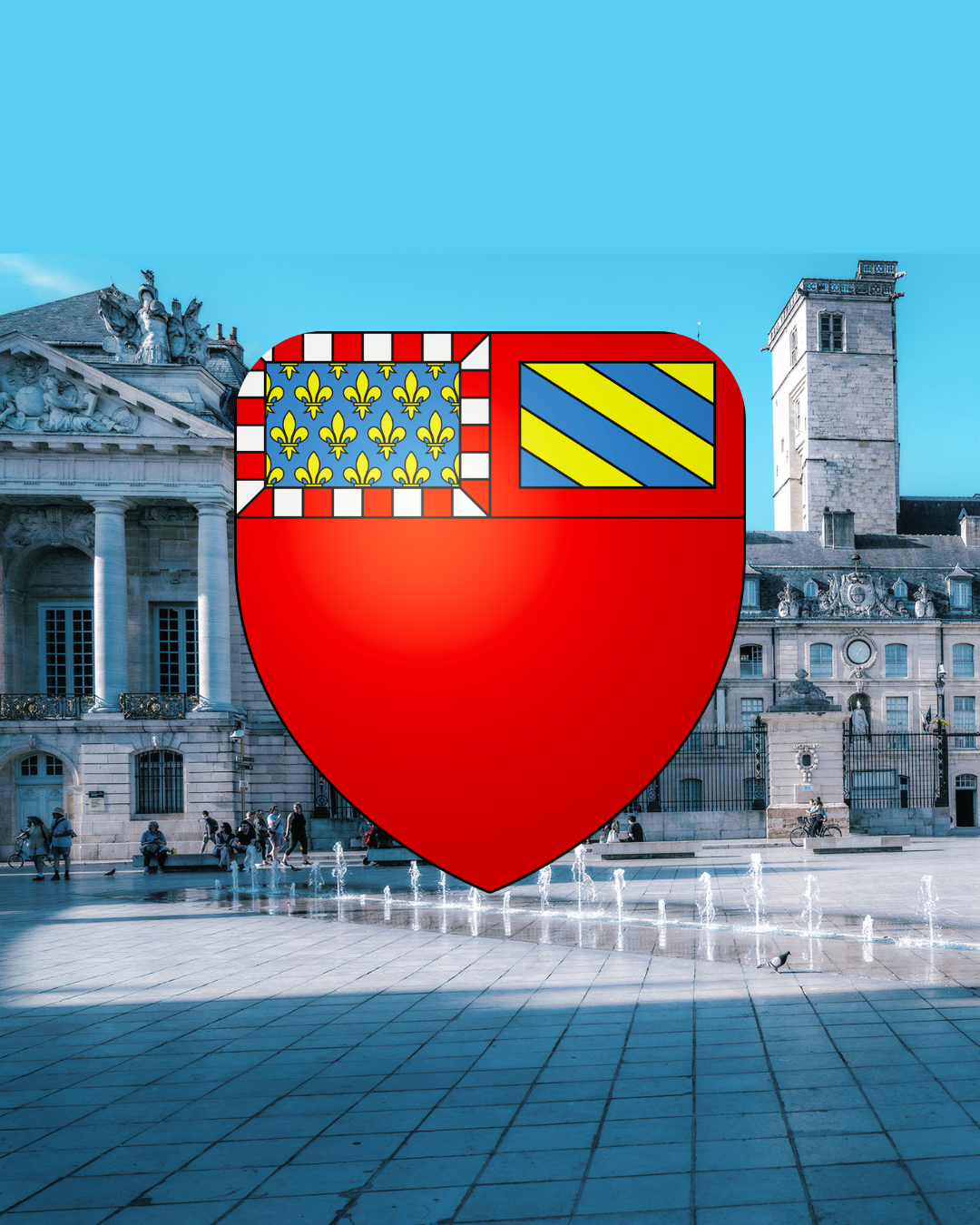
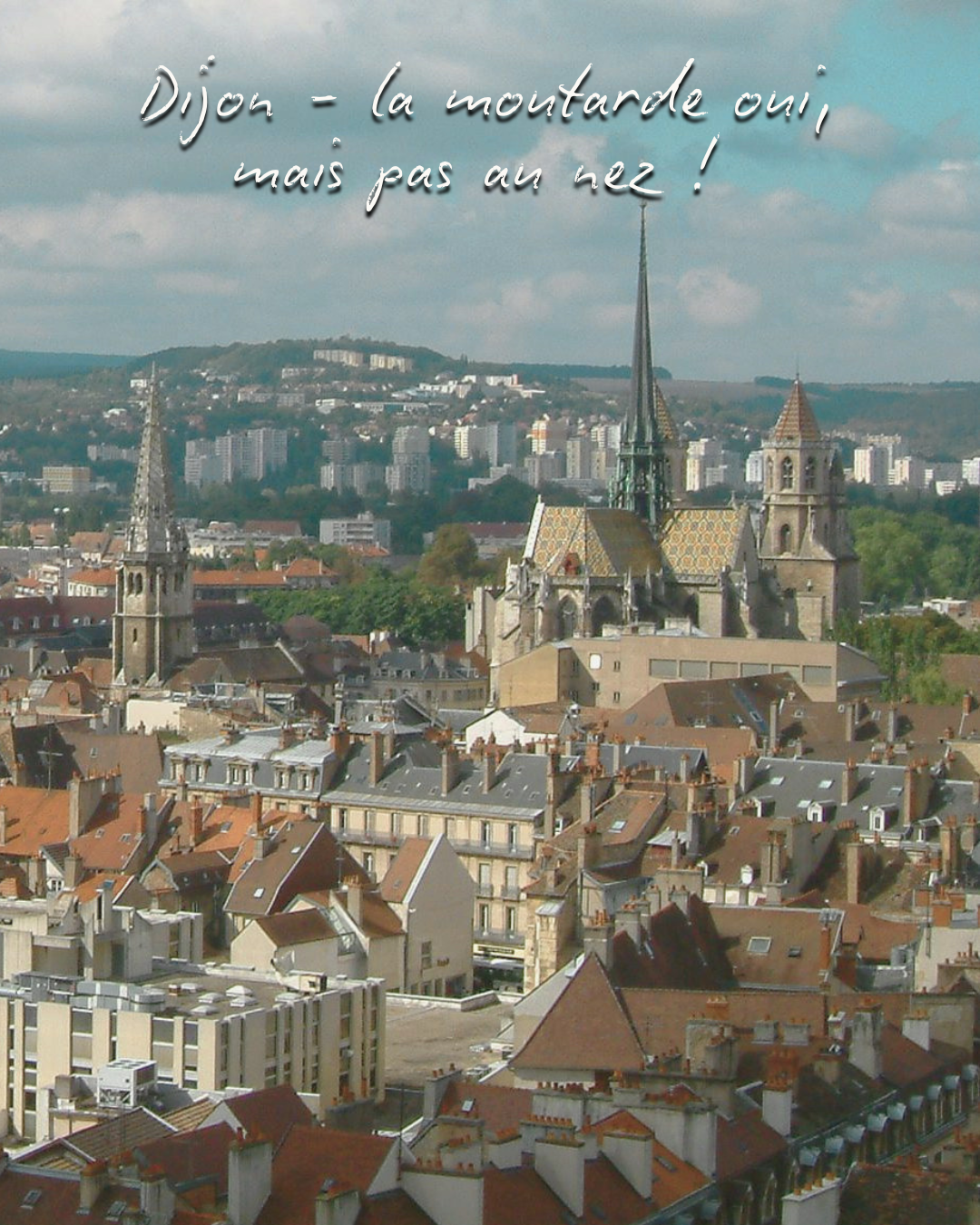
Dijon ist der Hauptort der Côte d’Or, der Goldenen Hänge. Mit ihren 160.000 Einwohnern (vor 100 Jahren noch halb so viele) beherbergt die Stadt die Université de Bourgogne. Berühmt ist die Stadt natürlich außerdem für ihren Senf und als Handelsplatz für den Wein aus der Bourgogne. Außerdem finden sich im ganzen Land besondere Bauwerke, die ein Mann entworfen hat, der 1832 in Dijon geboren wurde: Alexandre Gustave Bonickhausen dit Eiffel.

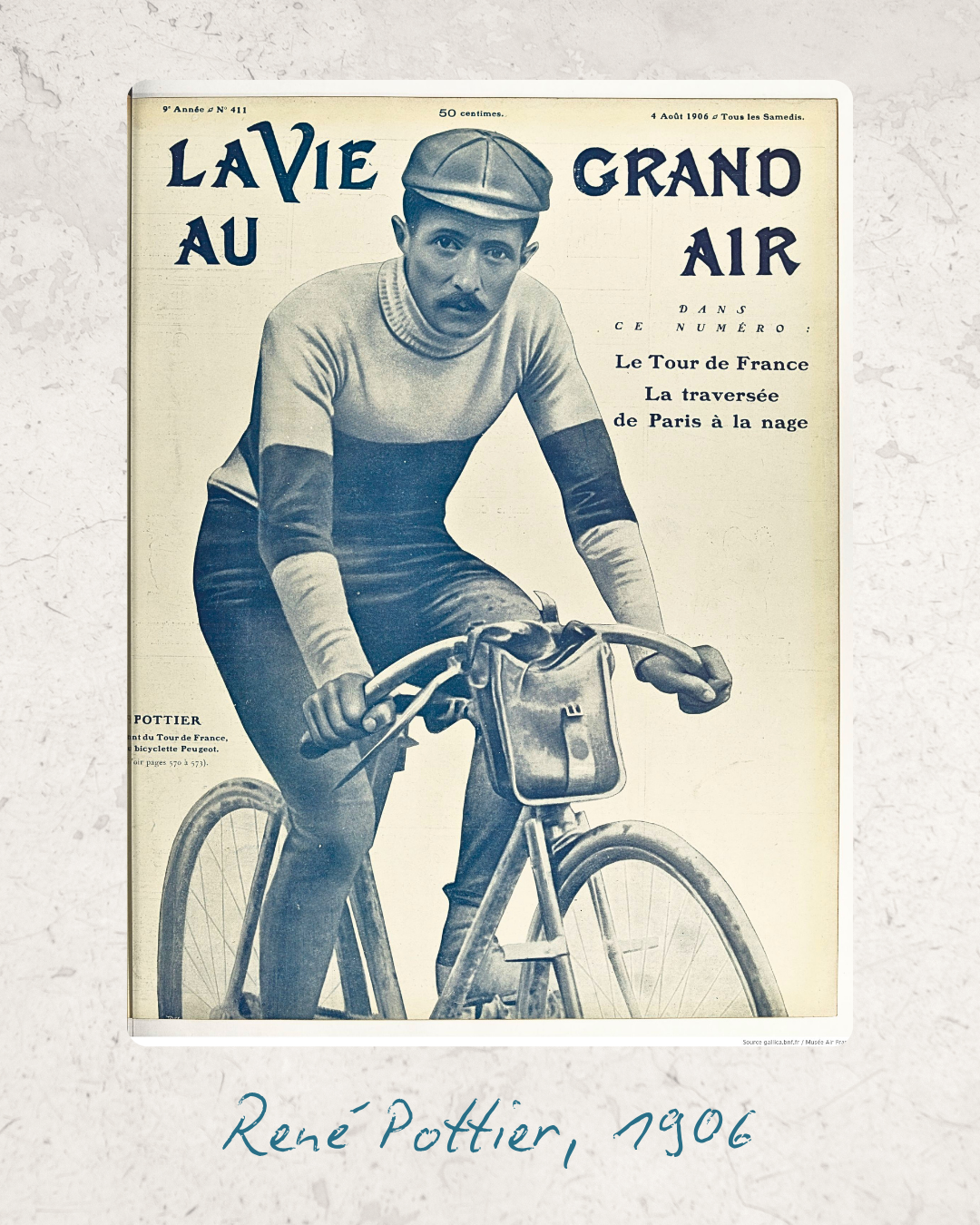
Zum ersten Mal war Dijon 1906 im Programm der Tour de France – nämlich auf jener Tour-Etappe, die zum ersten Mal einen richtigen Berg enthielt. Auf dem Weg von Nancy nach Dijon mussten die Fahrer den Ballon d’Alsace erklimmen. Der große Sieger des Tages hieß René Pottier. Erst 1926 kehrte die Tour de France nach Dijon zurück.
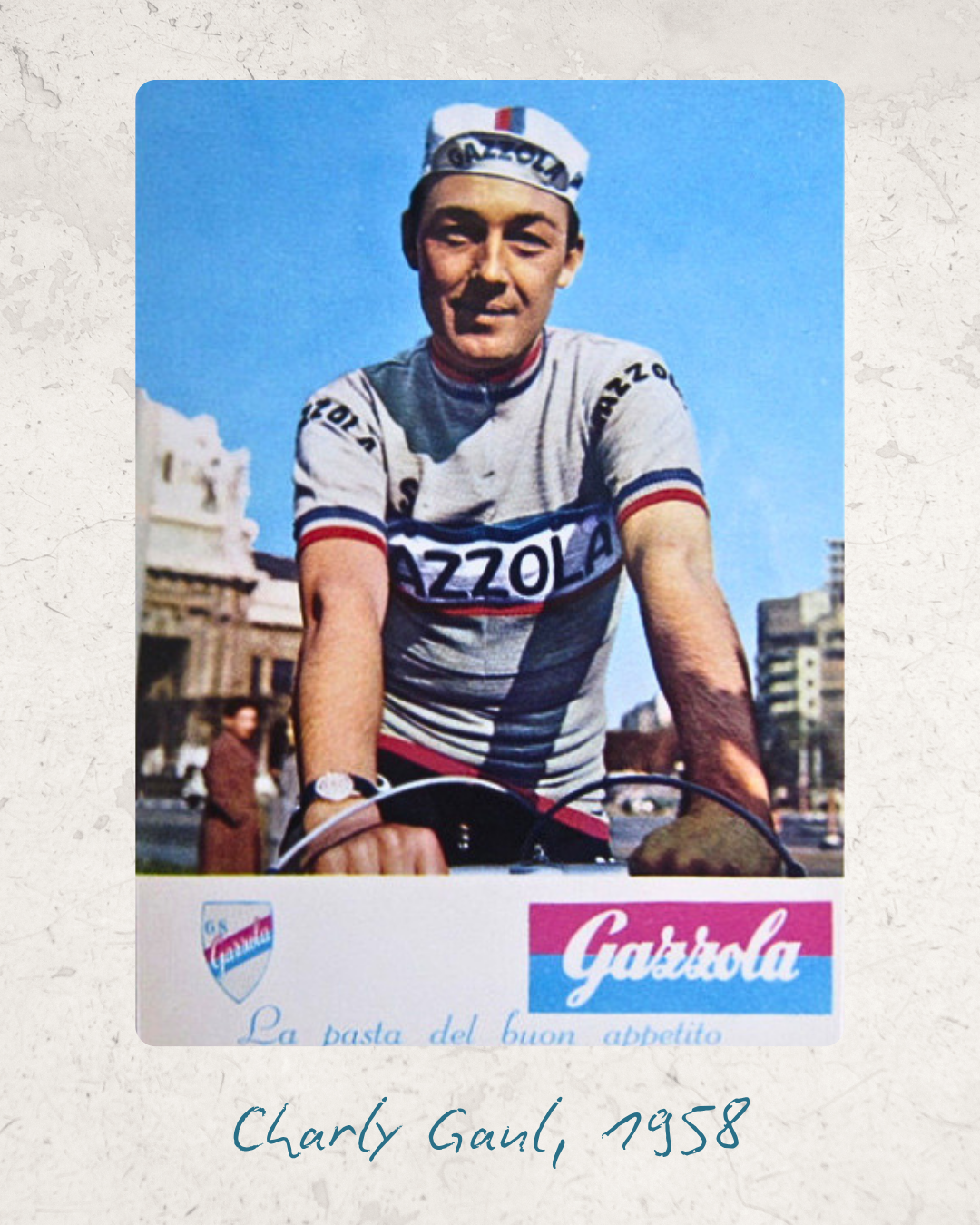
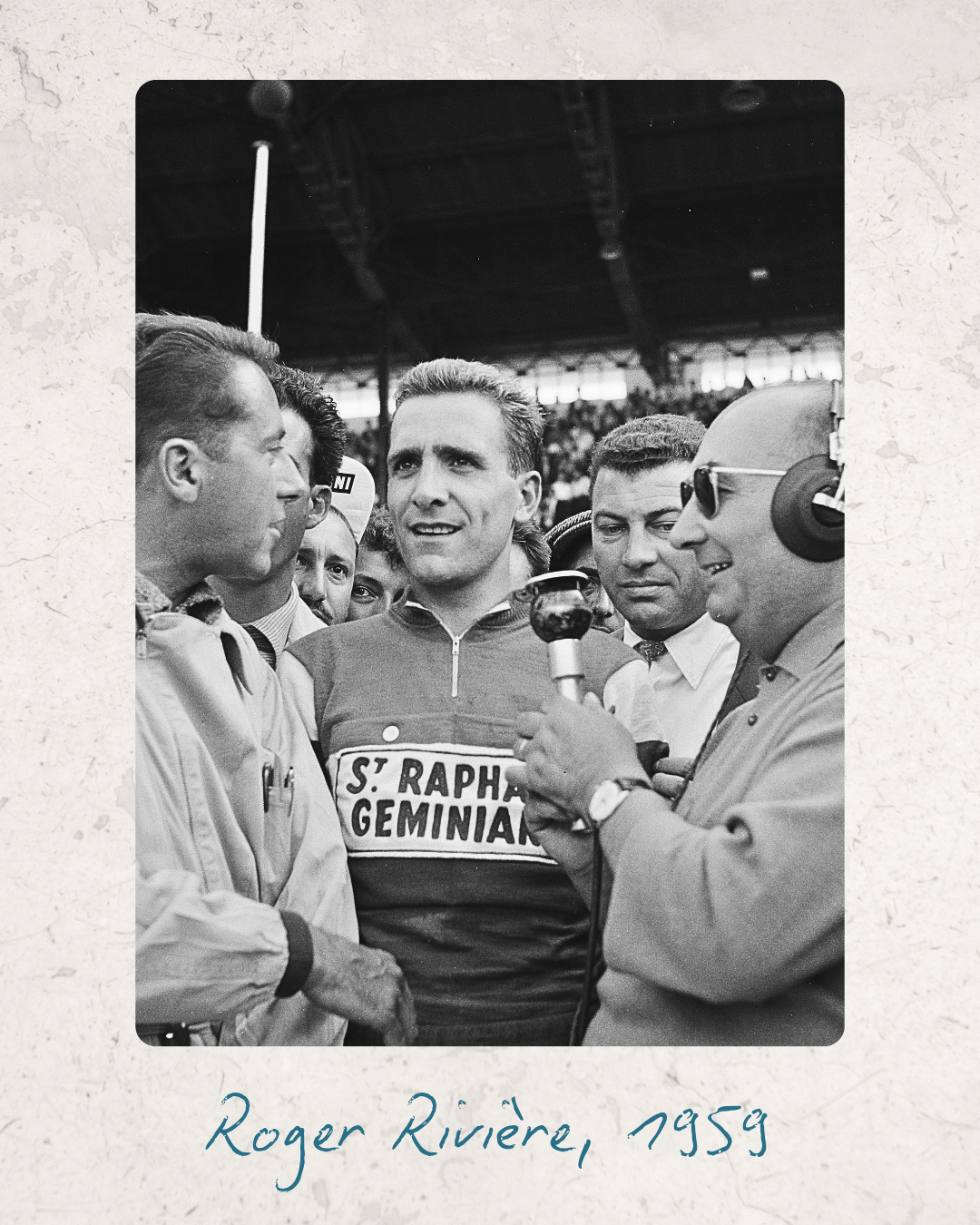
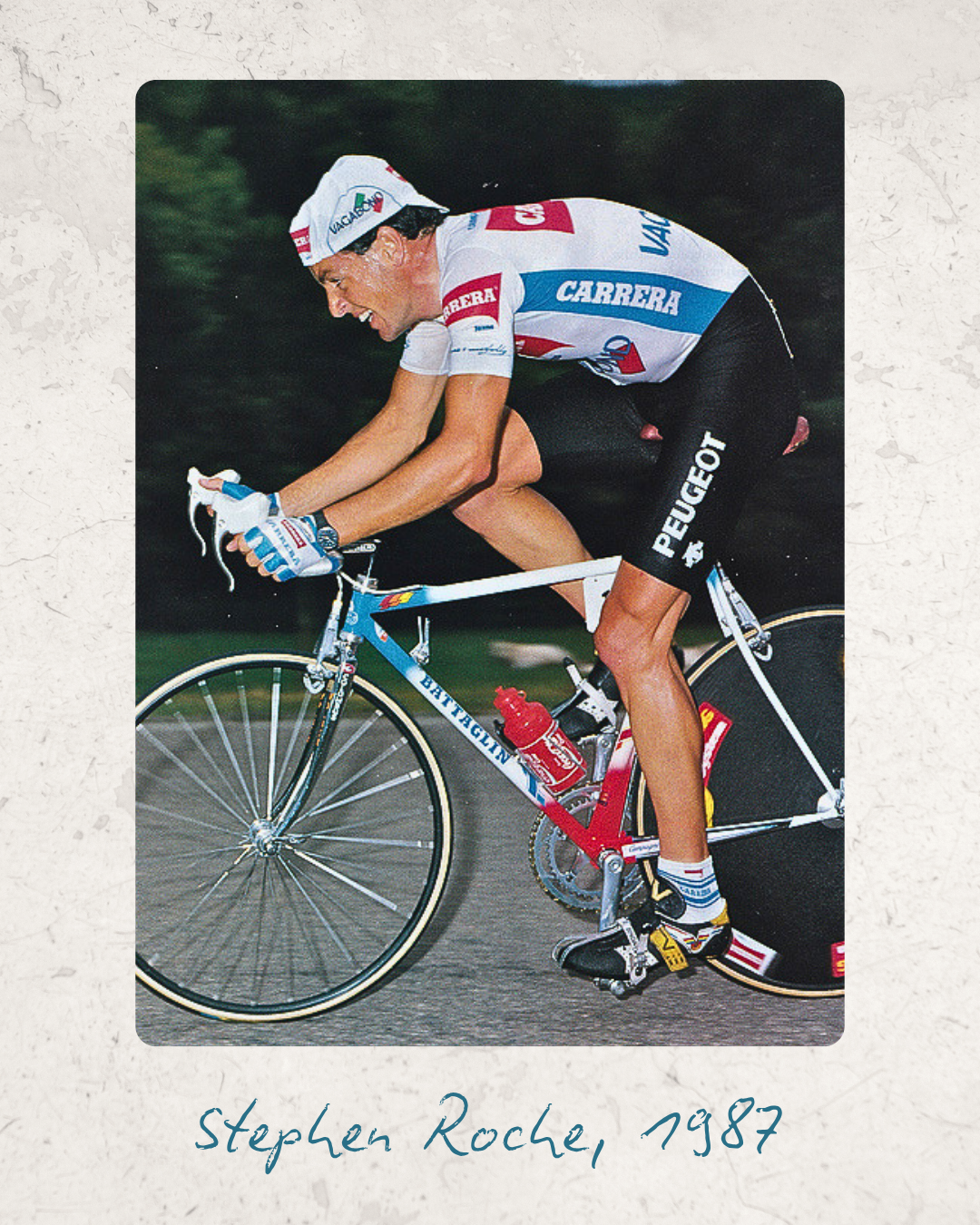
Nicht selten war Dijon Etappenort zwischen den Alpen und Paris. Oft wurde hier sogar noch ein Zeitfahren ausgetragen, so beispielsweise 1958 mit dem Etappensieger Charly Gaul oder ein Jahr später, als Roger Rivière gewann. Legendär das Zeitfahren rund um Dijon 1987: Am vorletzten Tag der Tour de France verlor Pedro Delgado das Gelbe Trikot an Stephen Roche, der schließlich Gelb nach Paris tragen durfte. Zuletzt war die Tour de France 2024 zu Gast, als Dylan Groenwegen im Massensprint siegte.

Klicken zum Vergrößern

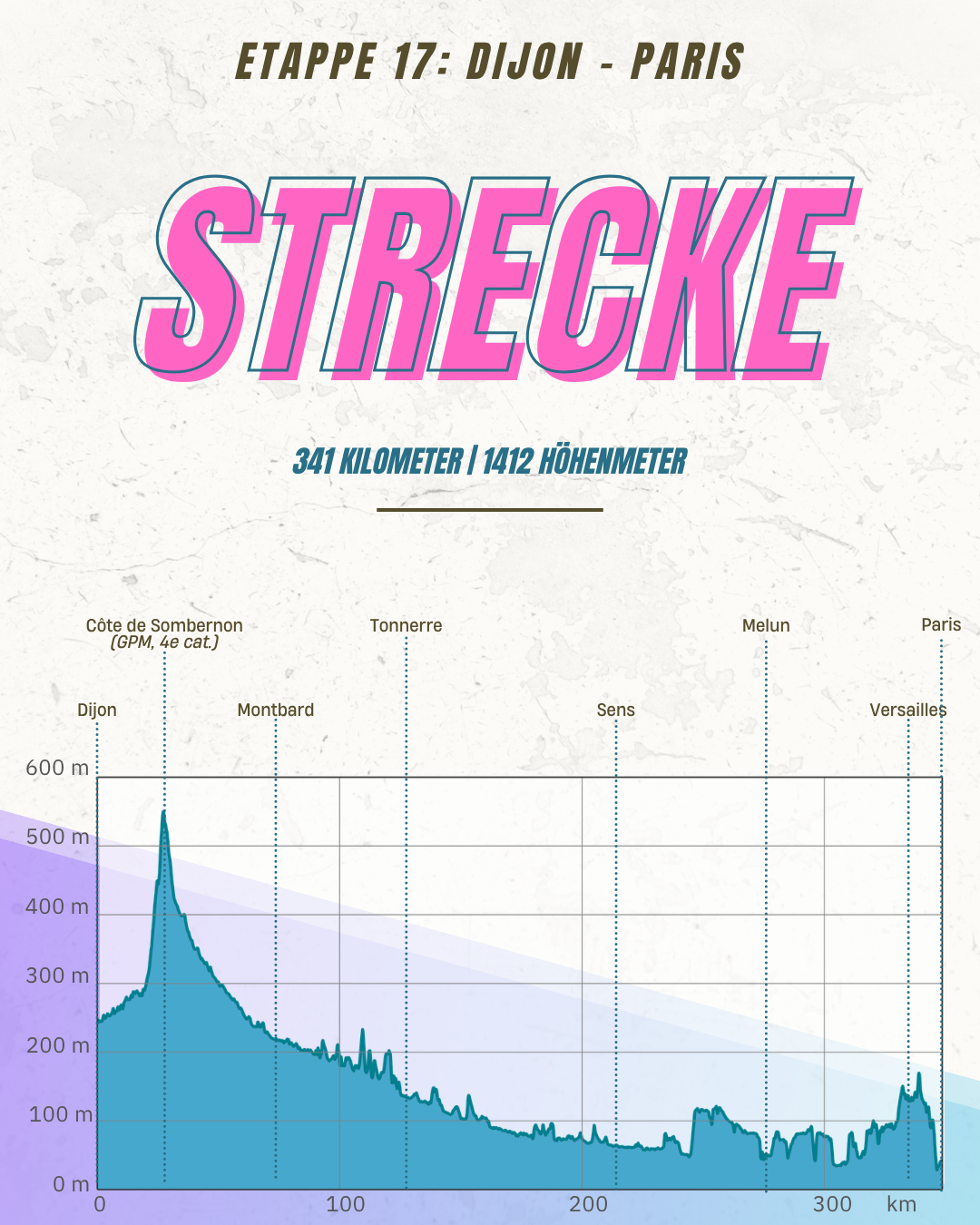
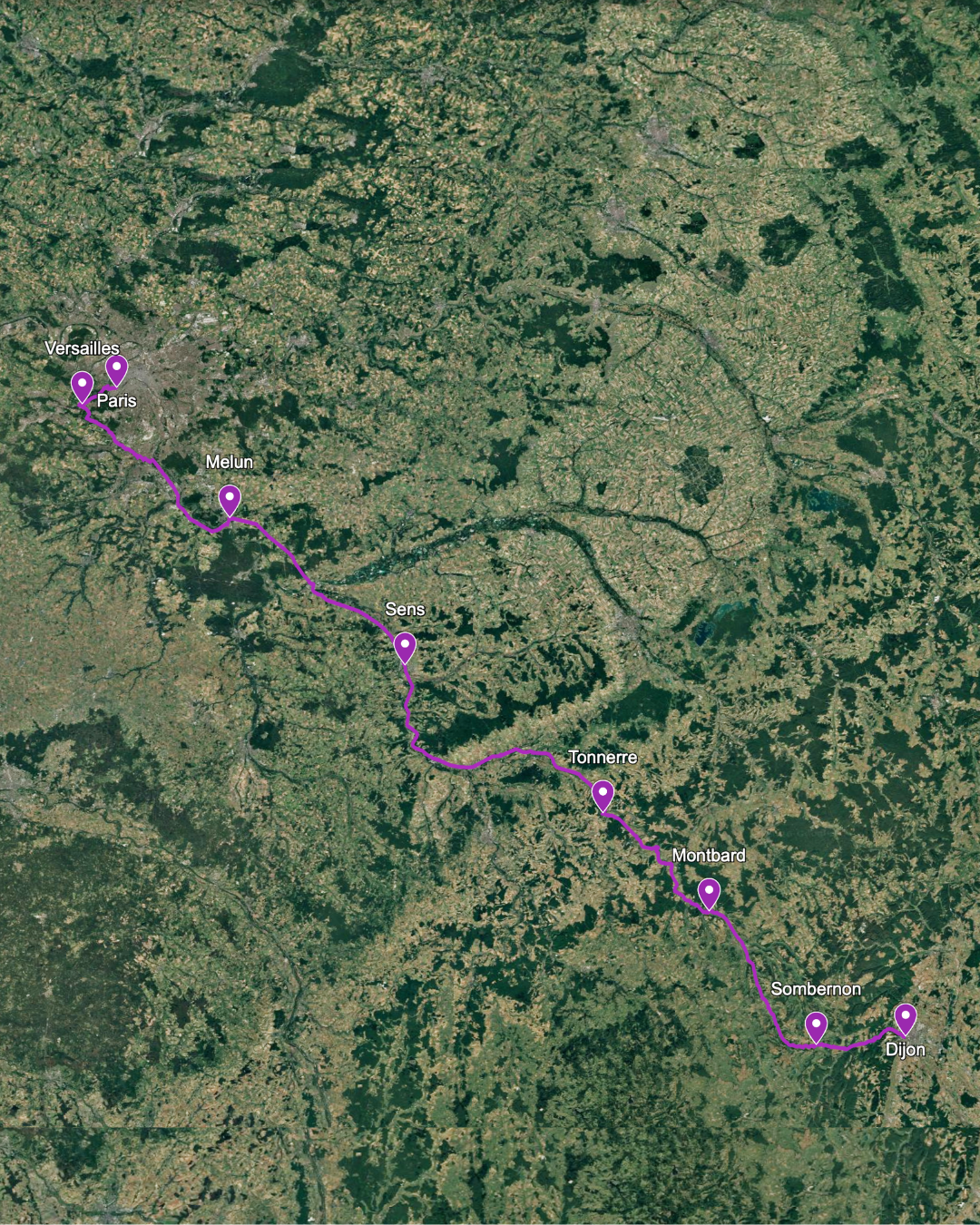
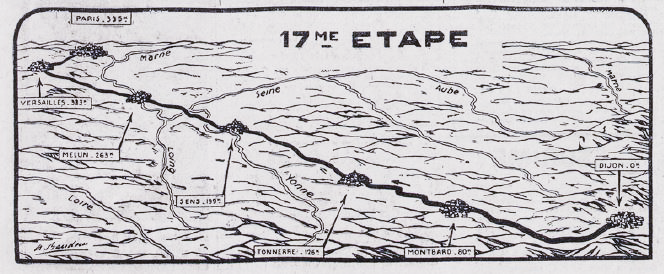
Strecke: Dijon - Paris

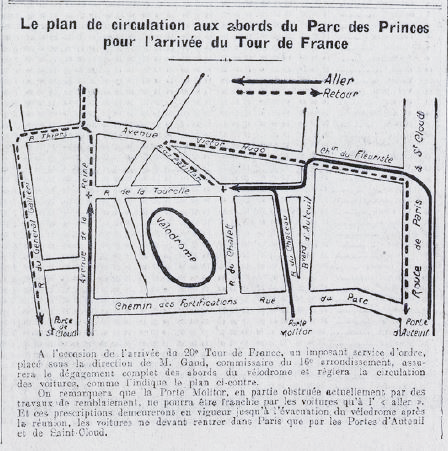
Das Pelton verließ Dijon zunächst durch das Tal der Ouche. Über den kleinen Anstieg hinauf nach Sombernon ging es über flaches Terrain entlang des Canal de Bourgogne. Später folgten die Fahrer dem Lauf der Yonne über Sens bis nach Montereau. In Melun überquerte das Peloton die Seine und blieb an ihrem Ufer bis Viry-Châtillon. Schließlich folgten die Fahrer nicht etwa der Seine bis nach Paris hinein, sondern schlugen einen Bogen über die westlichen Vororte, um das prächtige Schloss von Versailles zu passieren. Einen letzten kleinen Hügel gab es nach Ville-d’Avray zu überqueren, danach überblickten die Fahrer bereits Paris. Von Saint-Cloud nach Boulogne-Billancourt ging es abermals über die Seine und von dort direkt ins Ziel im geschichtsträchtigen Velodrom des Prinzenparks.

Klicken zum Vergrößern

Hier findet Ihr die Strecke bei Komoot und Google Maps zum Nachfahren oder näher anschauen:

Etappenbericht

Hello, bonjour und guten Tag zur 17. und letzten Etappe!

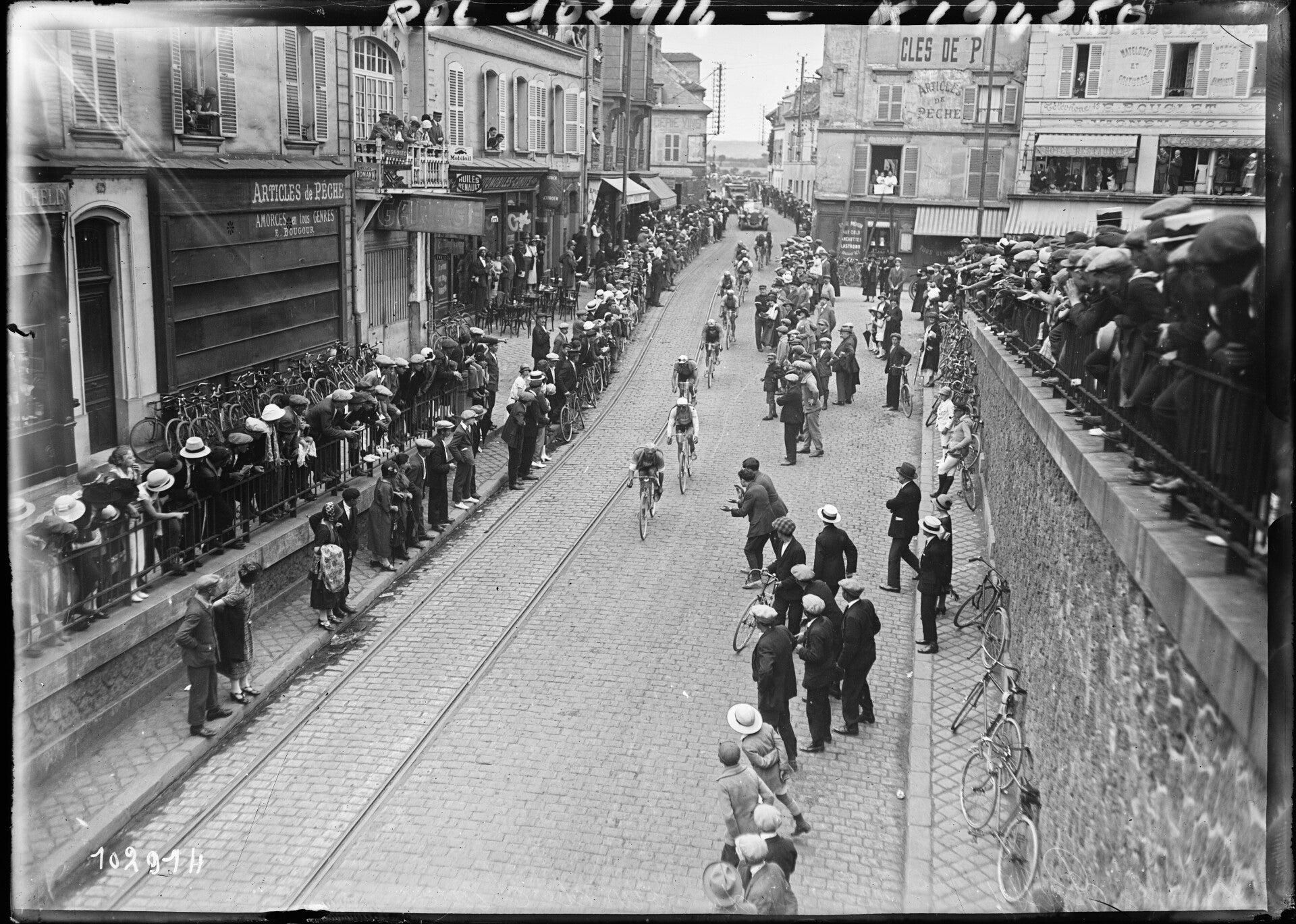
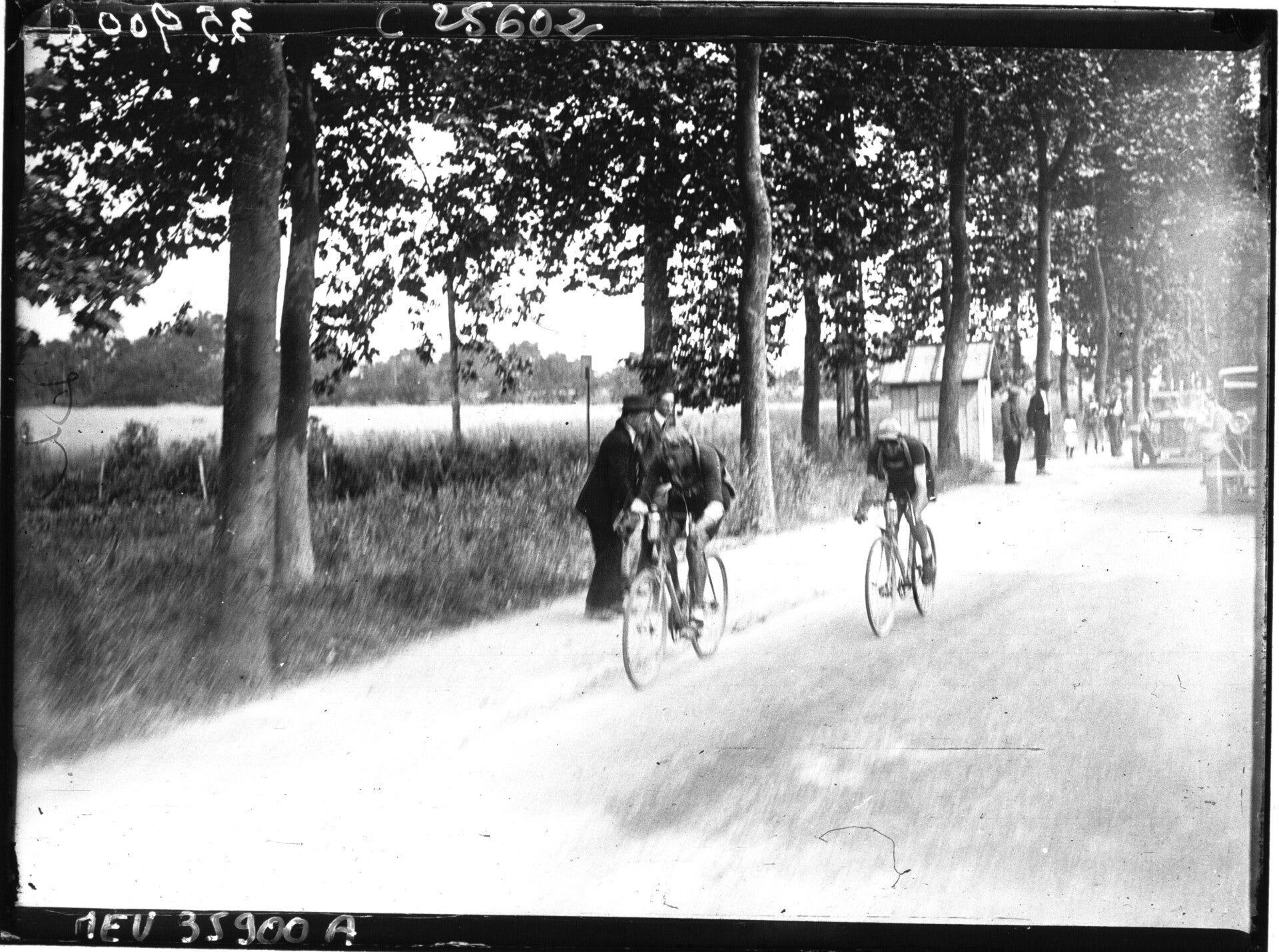
Die Presse vermeldete: „Eine Etappe fast ohne Geschichte…“ Als Gründe wurden die Müdigkeit der Fahrer und die sengende Hitze angegeben. Lediglich Camille Van de Casteele versuchte es mit einer Attacke etwa 50 km vor dem Ziel bei Essonnes. Nur Lucien Buysse ging mit, wollte aber keine Führungsarbeit leisten. So nahm auch Van de Casteele bald die Beine wieder hoch.
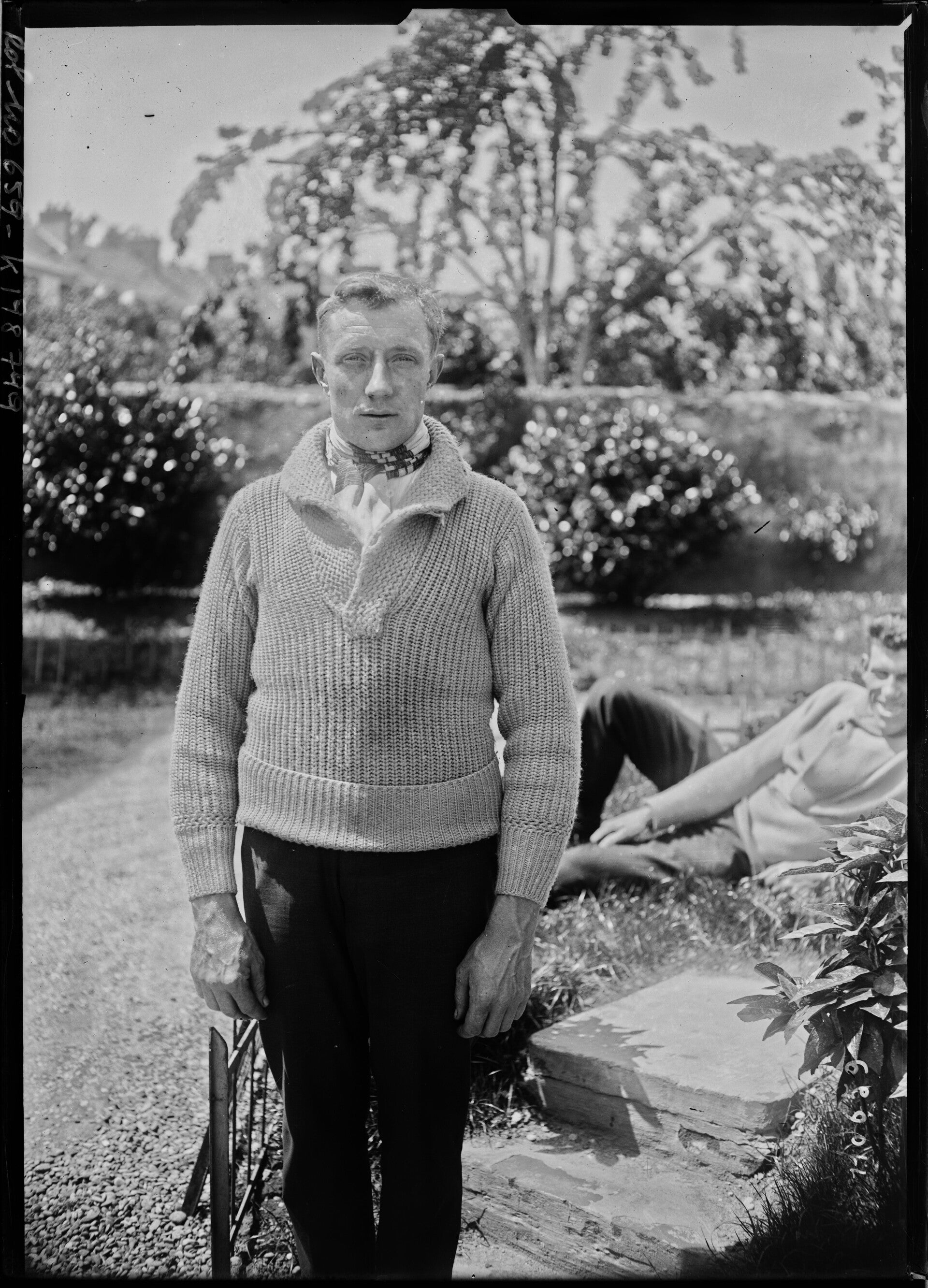
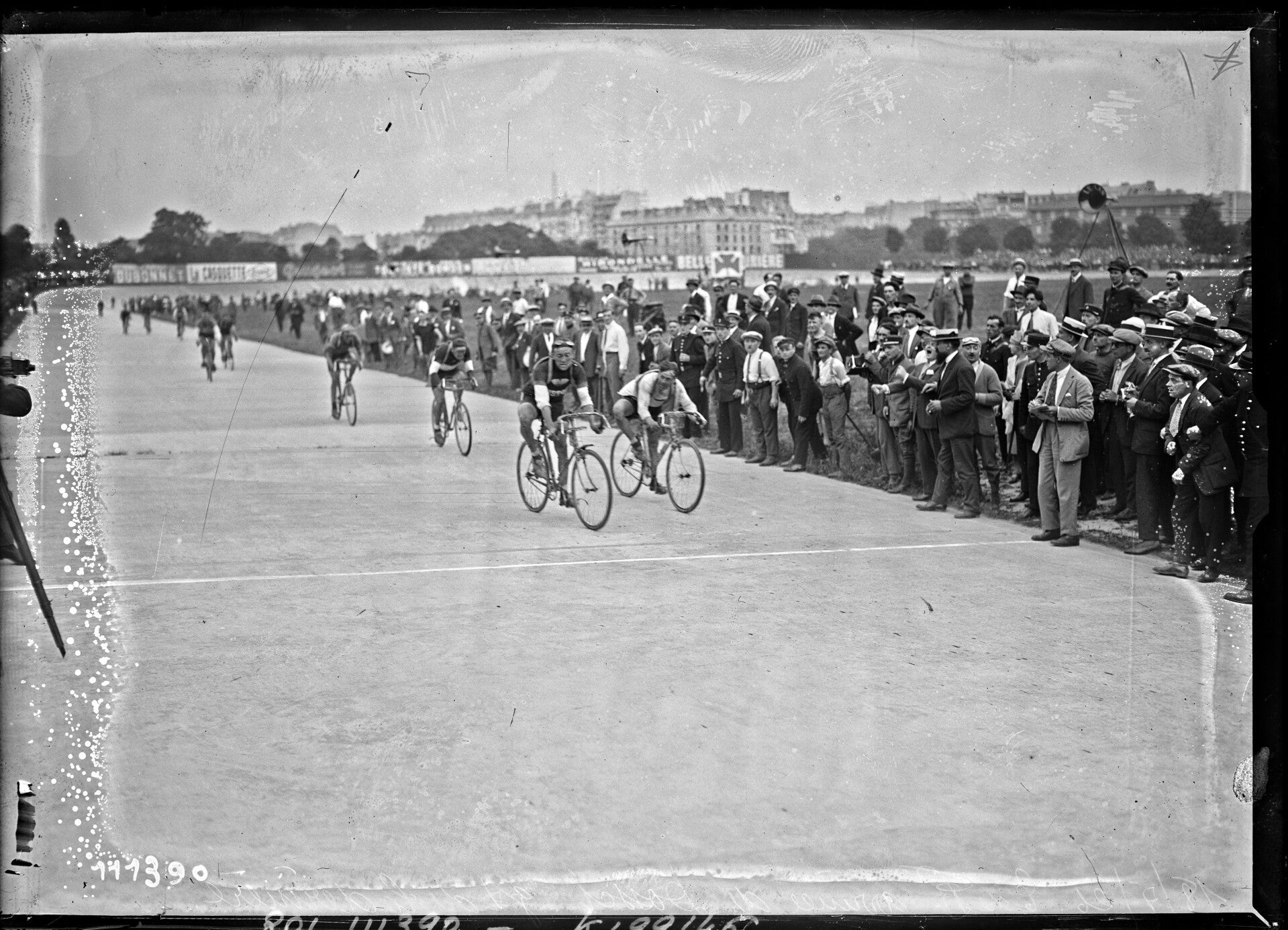
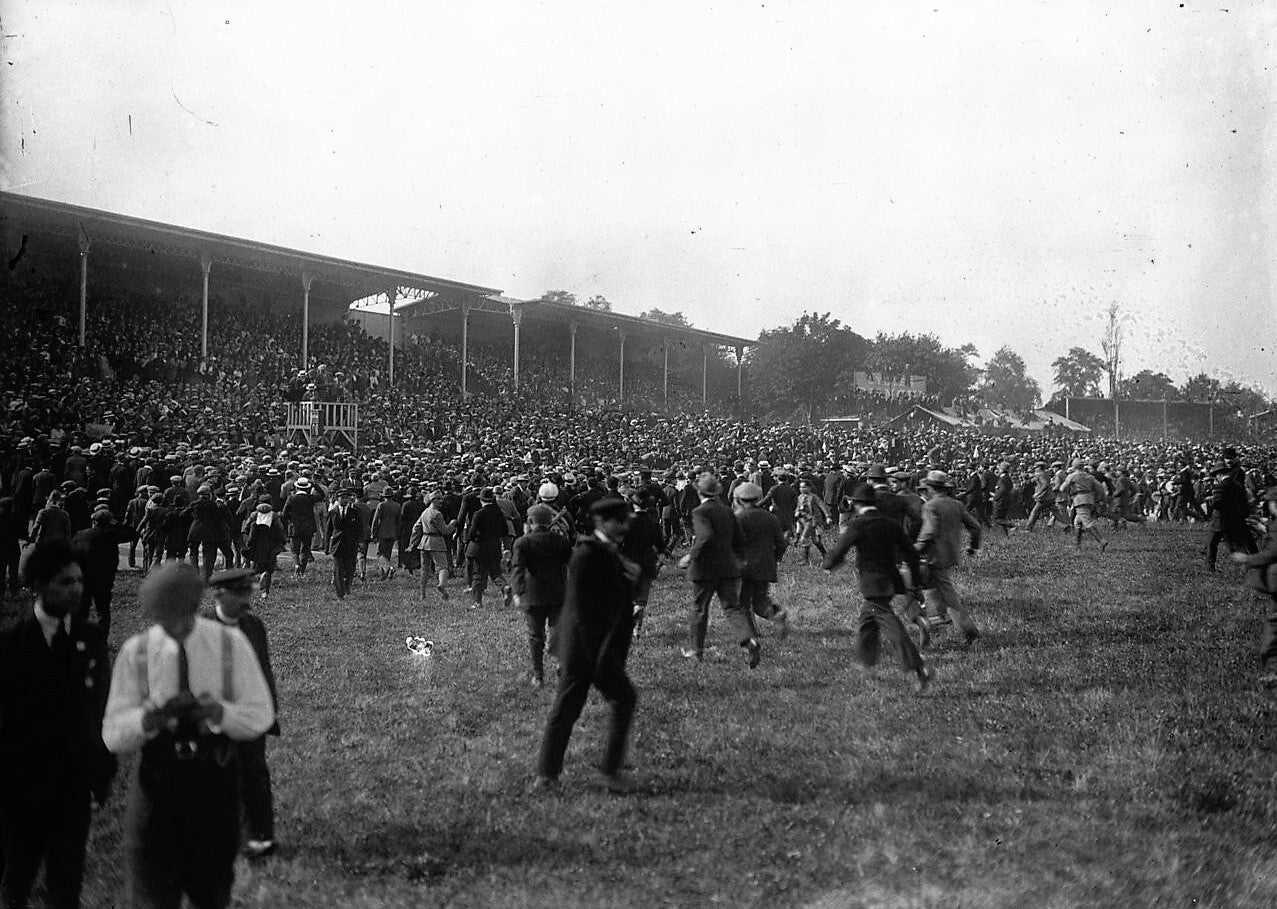
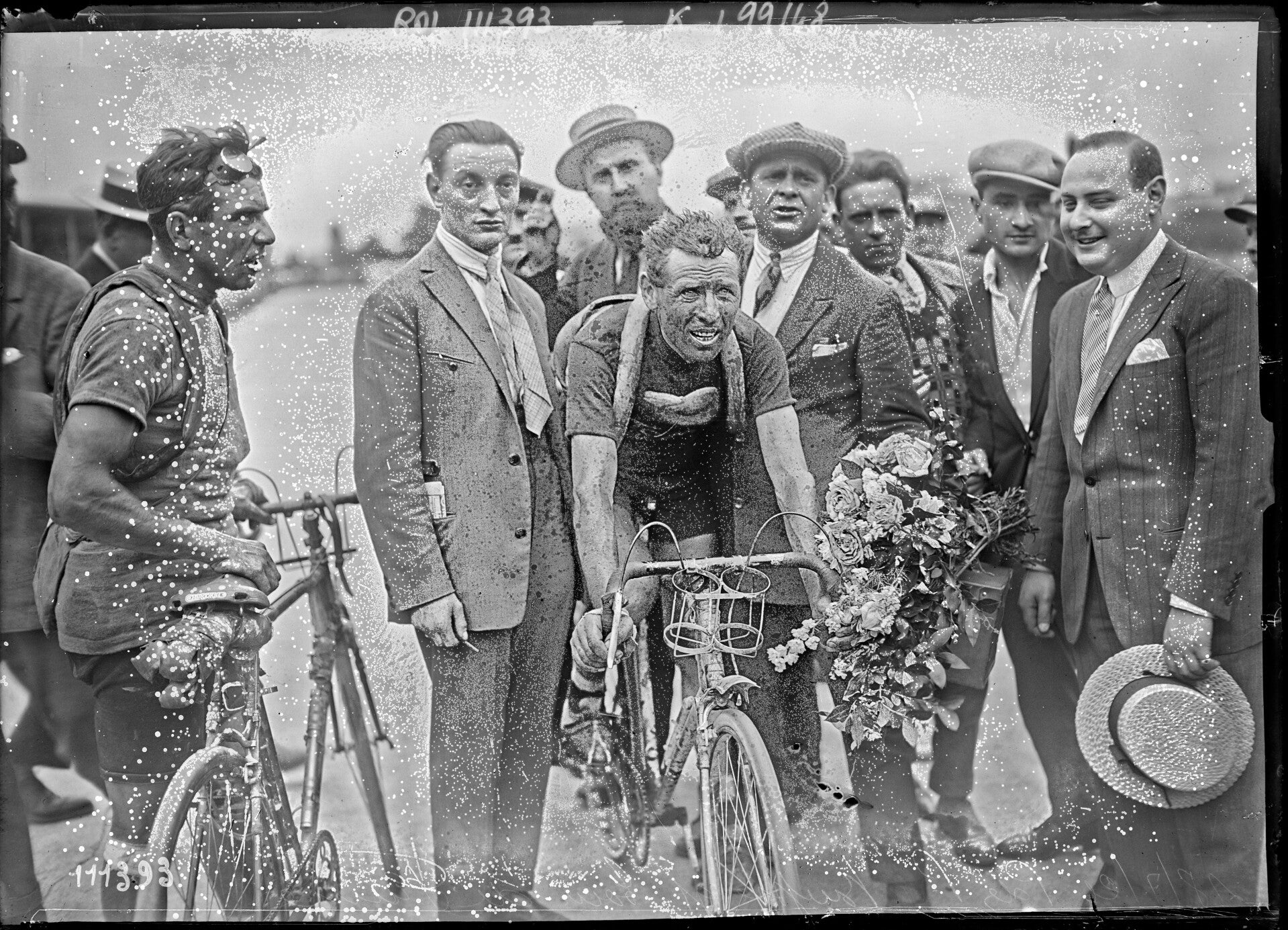
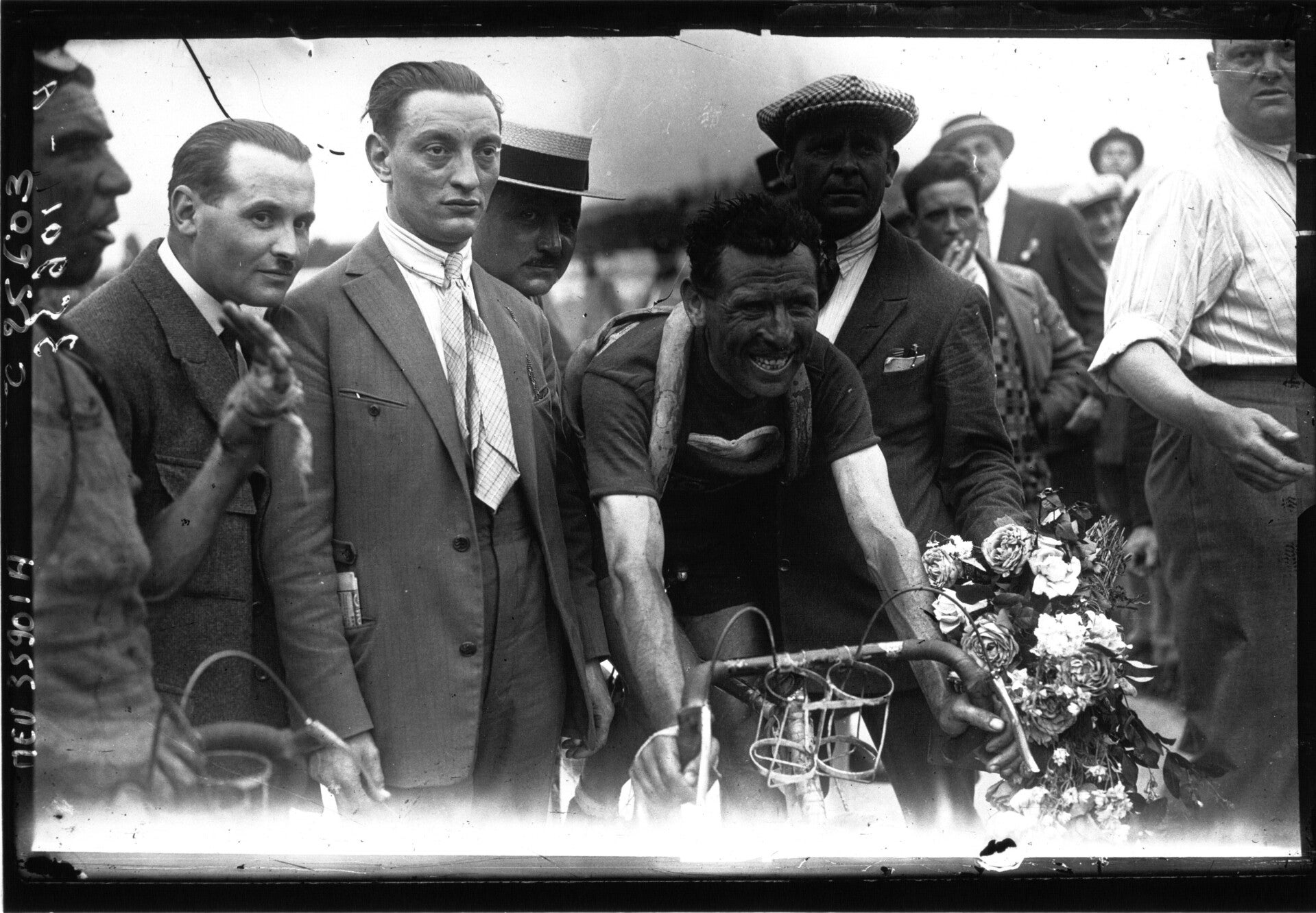
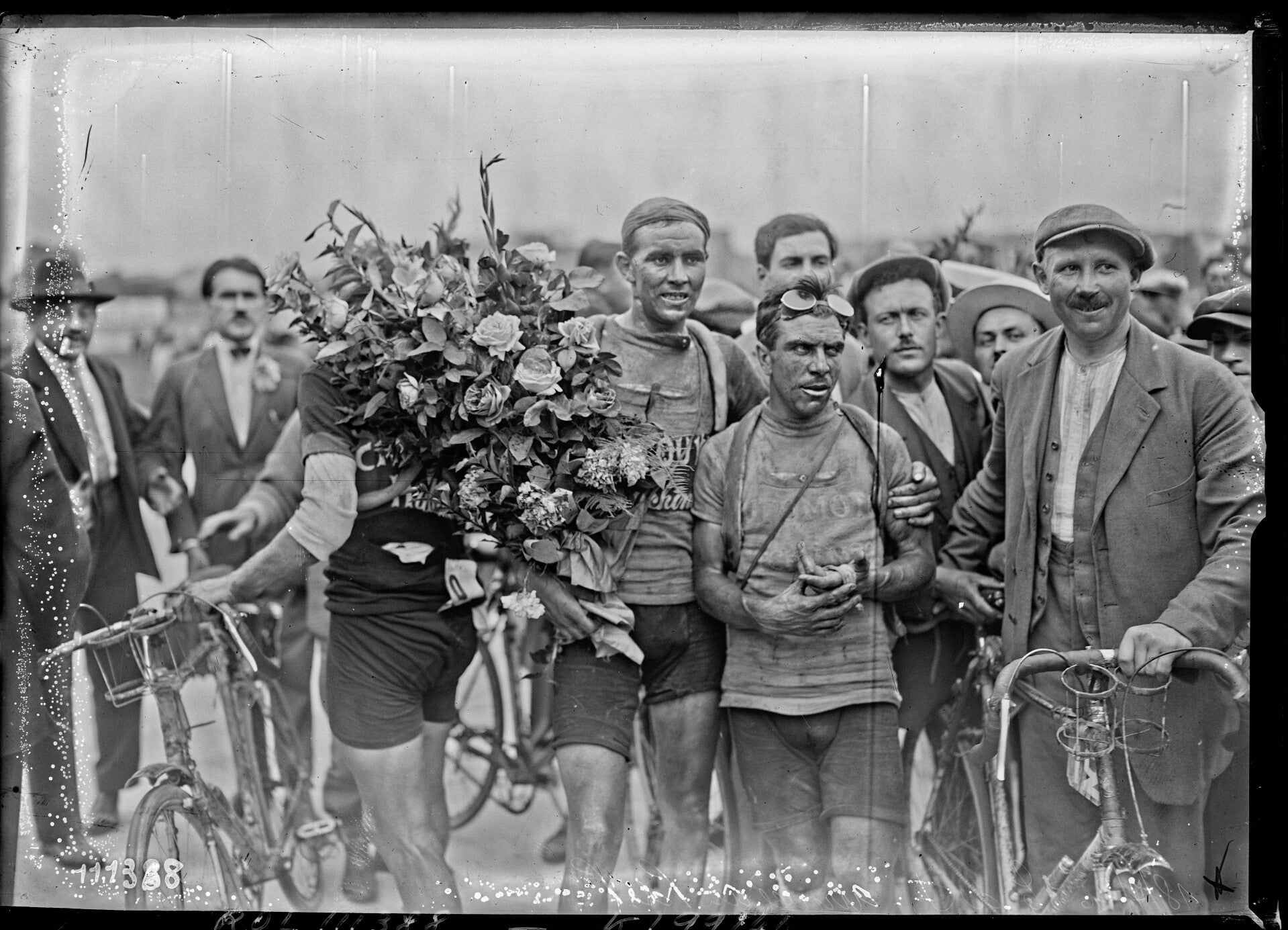
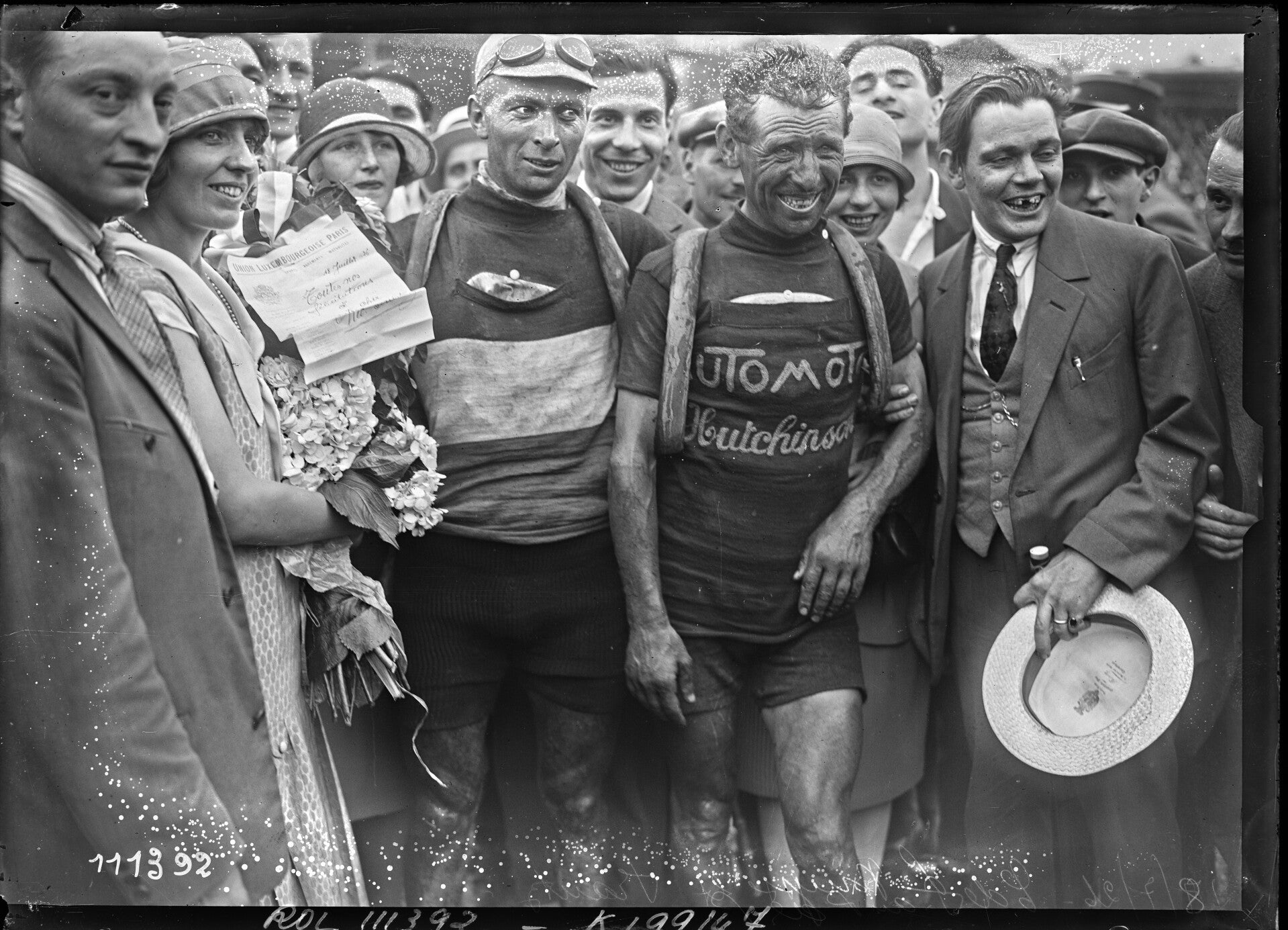
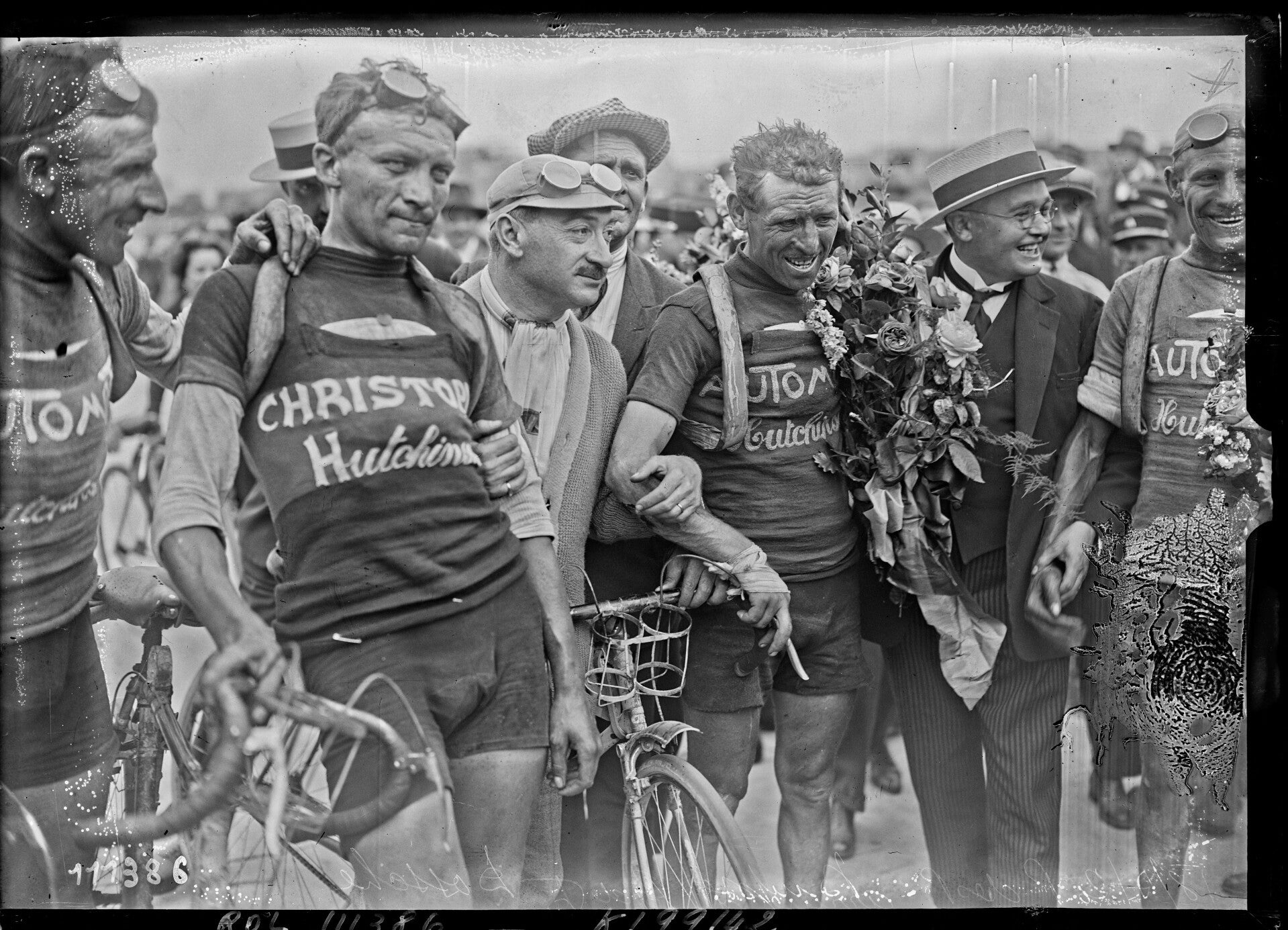
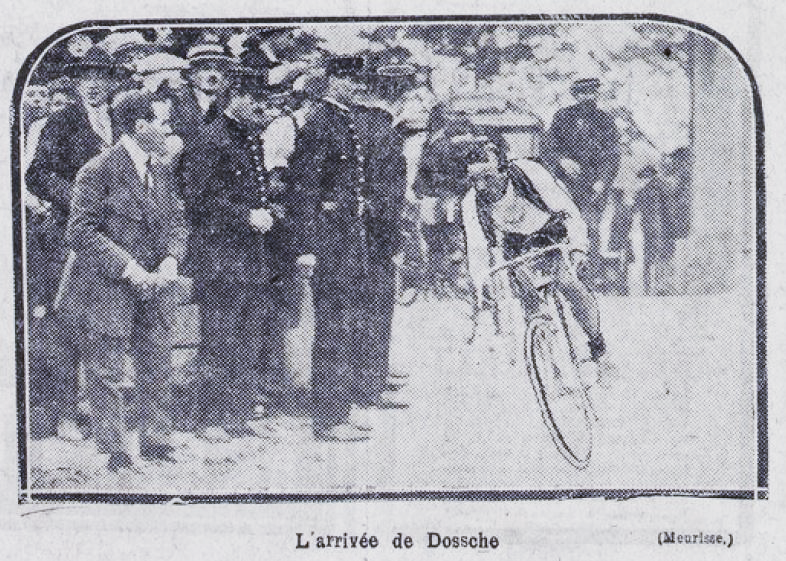
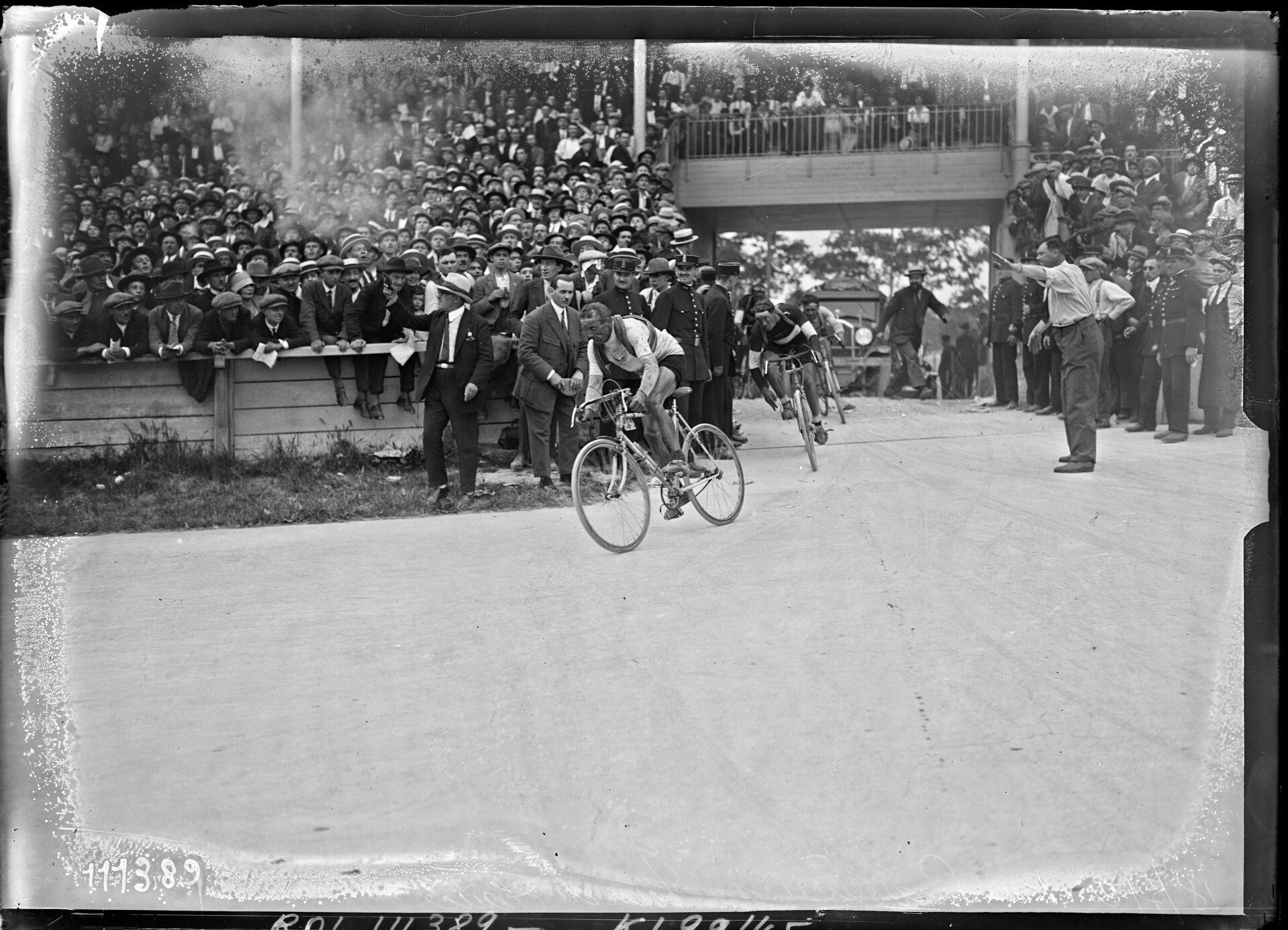
Letztendlich hatte sich an den Rampen zwischen Versailles und Paris die Spitzengruppe auf zehn Fahrer reduziert, die gemeinsam das Velodrom im Pariser Prinzenpark erreichten. Im Stadion war schon seit den Mittagsstunden die Hölle los, wegen Überfüllung konnten keine weiteren Zuschauer hineingelassen werden. Mit einer halben Vorderradlänge Vorsprung gewann Aimé Dossche den Sprint vor Félix Sellier. Die 666 m lange Schlussrunde im Velodrom hatten die Fahrer in 55 Sekunden absolviert, was einem Schnitt von 44 km/h entsprach. Nach Zieleinlauf stürmten die Zuschauer die Piste, um die Helden der Tour de France, die Giganten der Landstraße, zu feiern.
Das Fazit von Tour-Direktor Desgrange fiel zwiegespalten aus: Es sei bedauernswert, dass es so viele Massenankünfte gegeben habe. Er erkannte allerdings auch die Umstände: Es sei die längste Tour de France aller Zeiten gewesen. Man habe ständig mit großer Hitze und schweren Unwettern in den Bergen kämpfen müssen. Und schließlich sei da seit Luchon ein Fahrer im Gelben Trikot gewesen, der keinen Anlass zur Hoffnung gegeben habe, dass er noch eingeholt werden könnte.
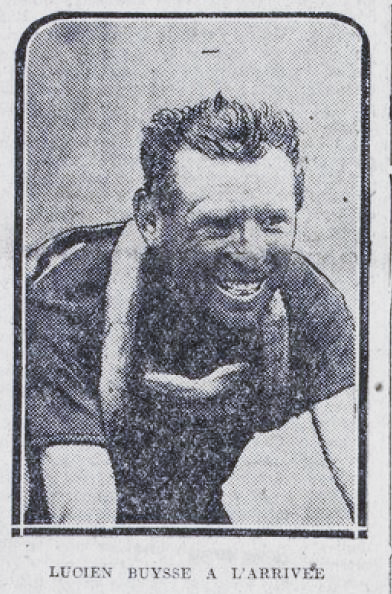
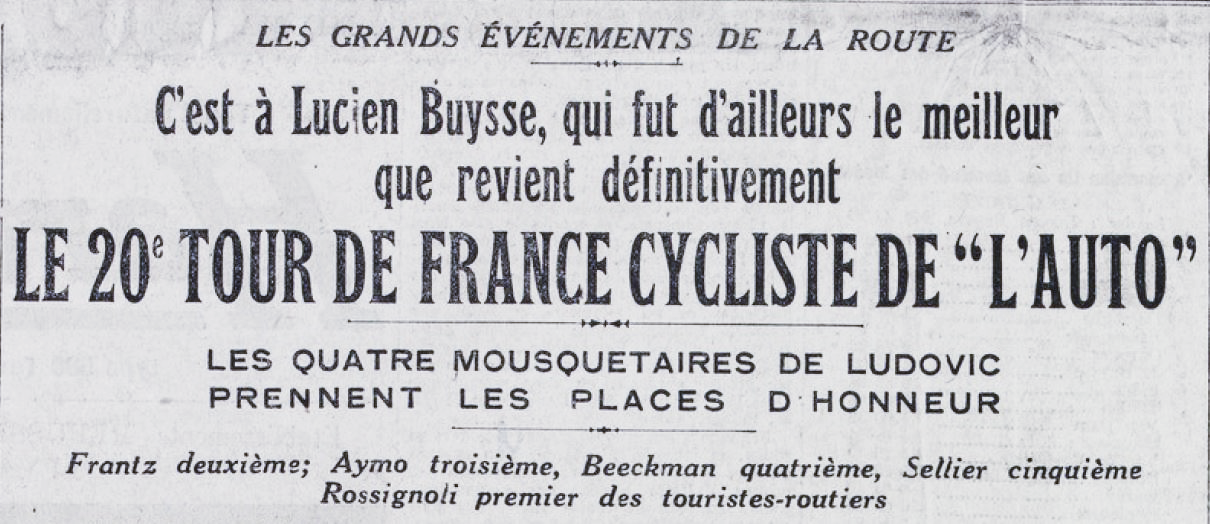
Lucien Buysse war der Stärkste im Peloton. Er holte nach Henri Pélissier und den beiden Gesamtsiegen von Ottavio Bottecchia den vierten Tour-de-France-Sieg in Folge für sein Team Automoto-Hutchinson. Dazu gewann das Team sechs Etappen.

Auffällig stark war der Luxemburger Nicolas Frantz, der auf sämtlichen Etappen – außer jener nach Luchon – mit Buysse mithalten konnte. Sein Team Alcyon-Dunlop holte gar sieben Etappen und belegte außerdem Platz 2, 3 und 5 in der Gesamtwertung.

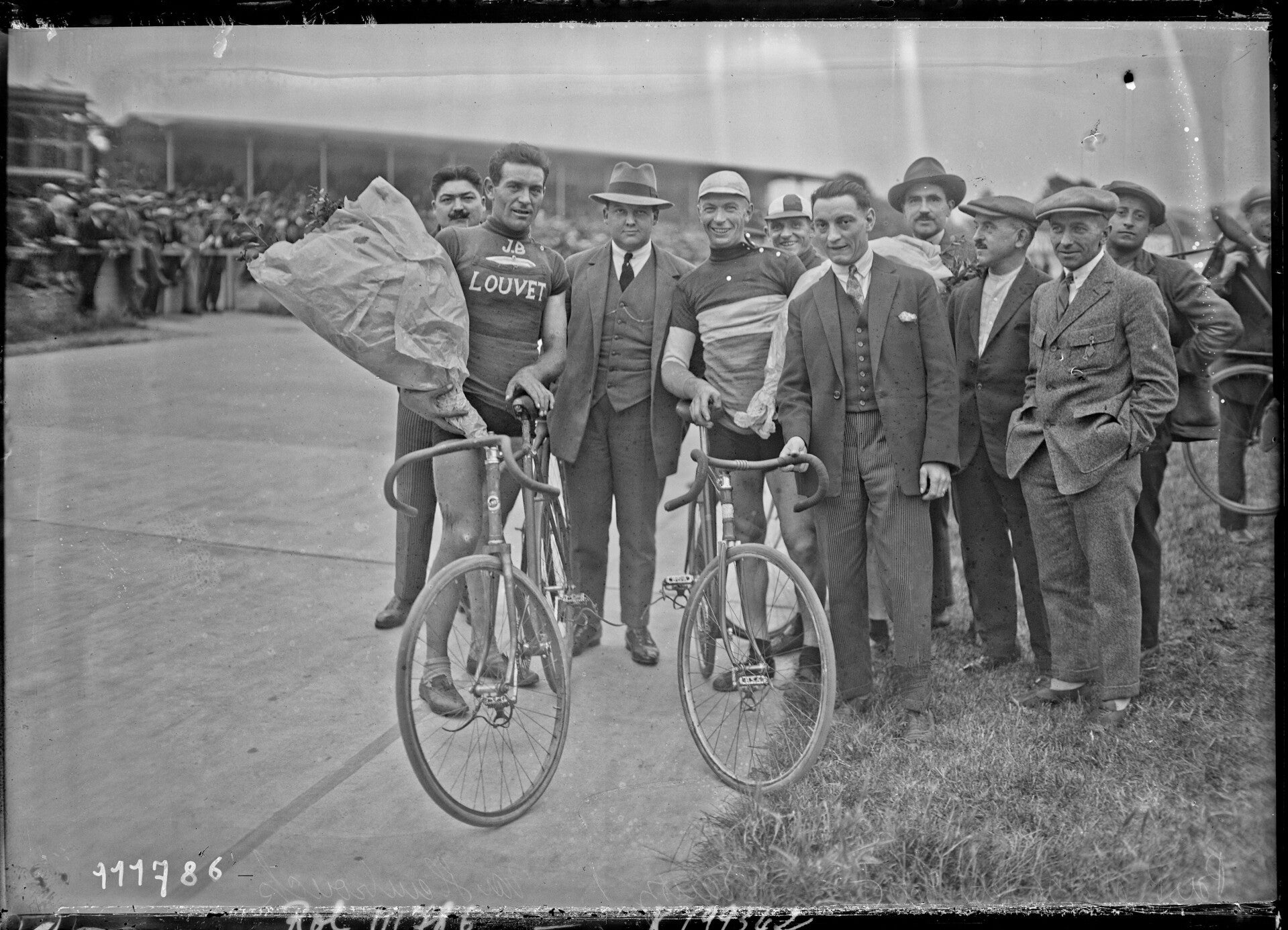
Zufrieden sein konnte auch das Team Christophe-Hutchinson, das mit Aimé Dossche zwei Etappen gewann. Auch das Team J.B. Louvet-Wolber war mit zwei Etappensiegen dekoriert und hatte mit Gustave Van Slembroeck von Dunkerque bis in die Pyrenäen das Gelbe Trikot in seinen Reihen.
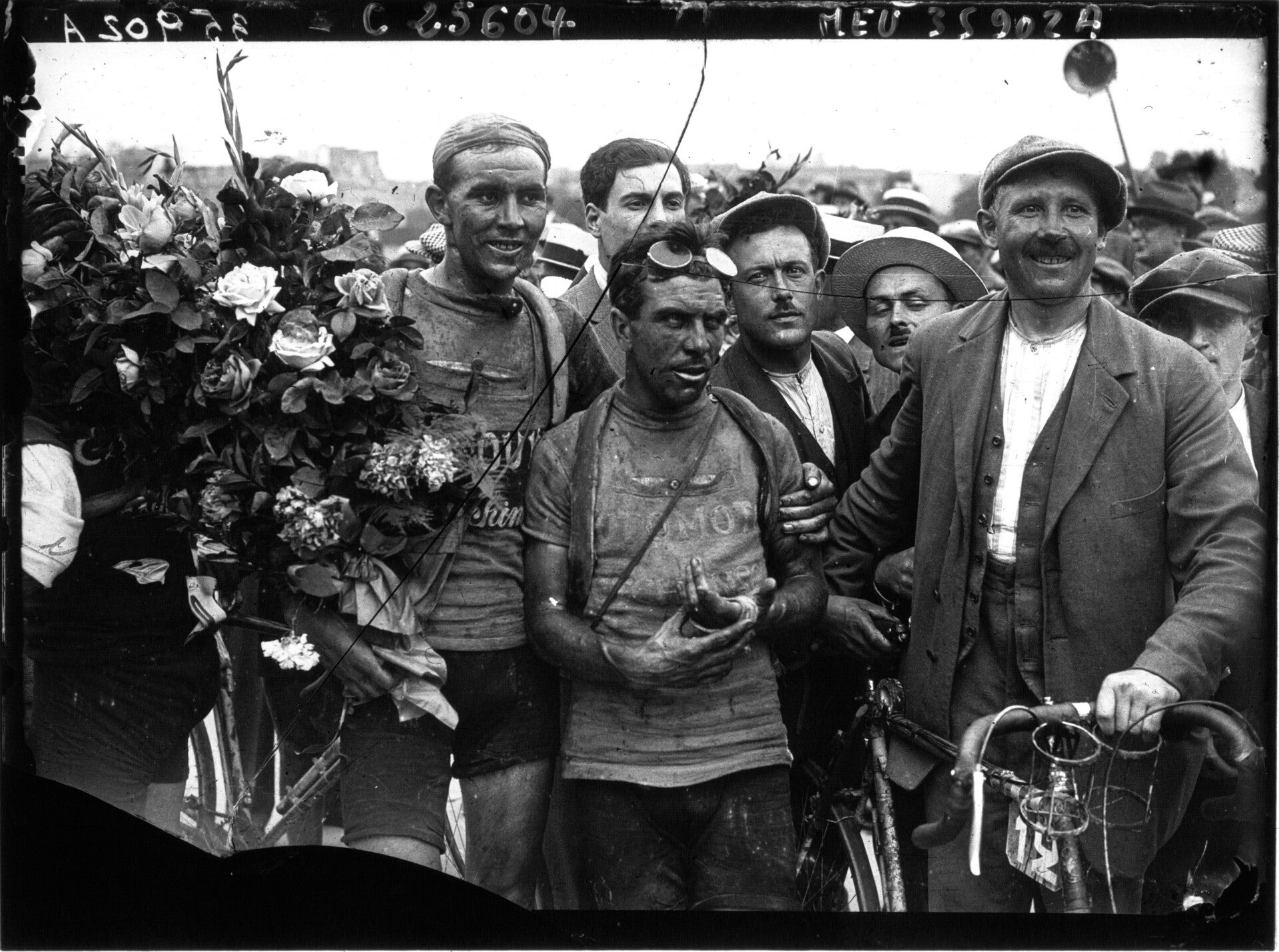
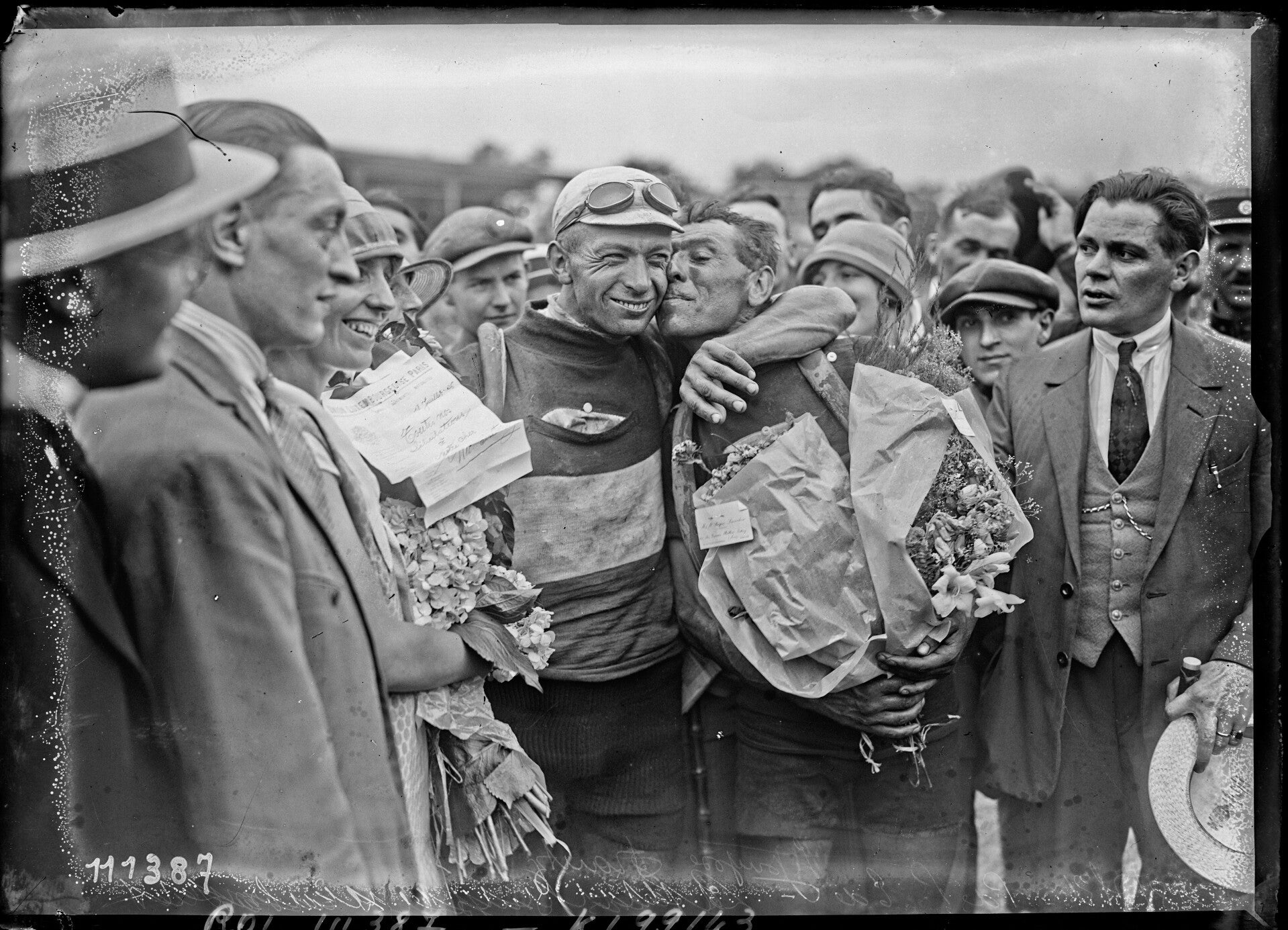
Letztendlich hatten 41 von den gestarteten 126 Fahrern Paris erreicht. Die Rote Laterne trug der Franzose André Drobecq ins Ziel mit einem sagenhaften Rückstand von 26h59‘3“.

Den Gesamtsieg bei den touriste-routiers schnappte sich der 44-jährige Altprofi Giovanni Rossignoli mit über einer Stunde Vorsprung auf Henri Touzard, der gegen Ende der Tour de France immer stärker geworden war. Dritter wurde mit Paul Duboc ebenfalls ein ehemaliger Radprofi.

So begaben sich die Einen zunächst auf die wohlverdiente Ehrenrunde, während die Anderen nach dem obligatorischen Besuch in der Redaktion von L’Auto die Heimreise antraten, wo der harte Alltag auf sie wartete.
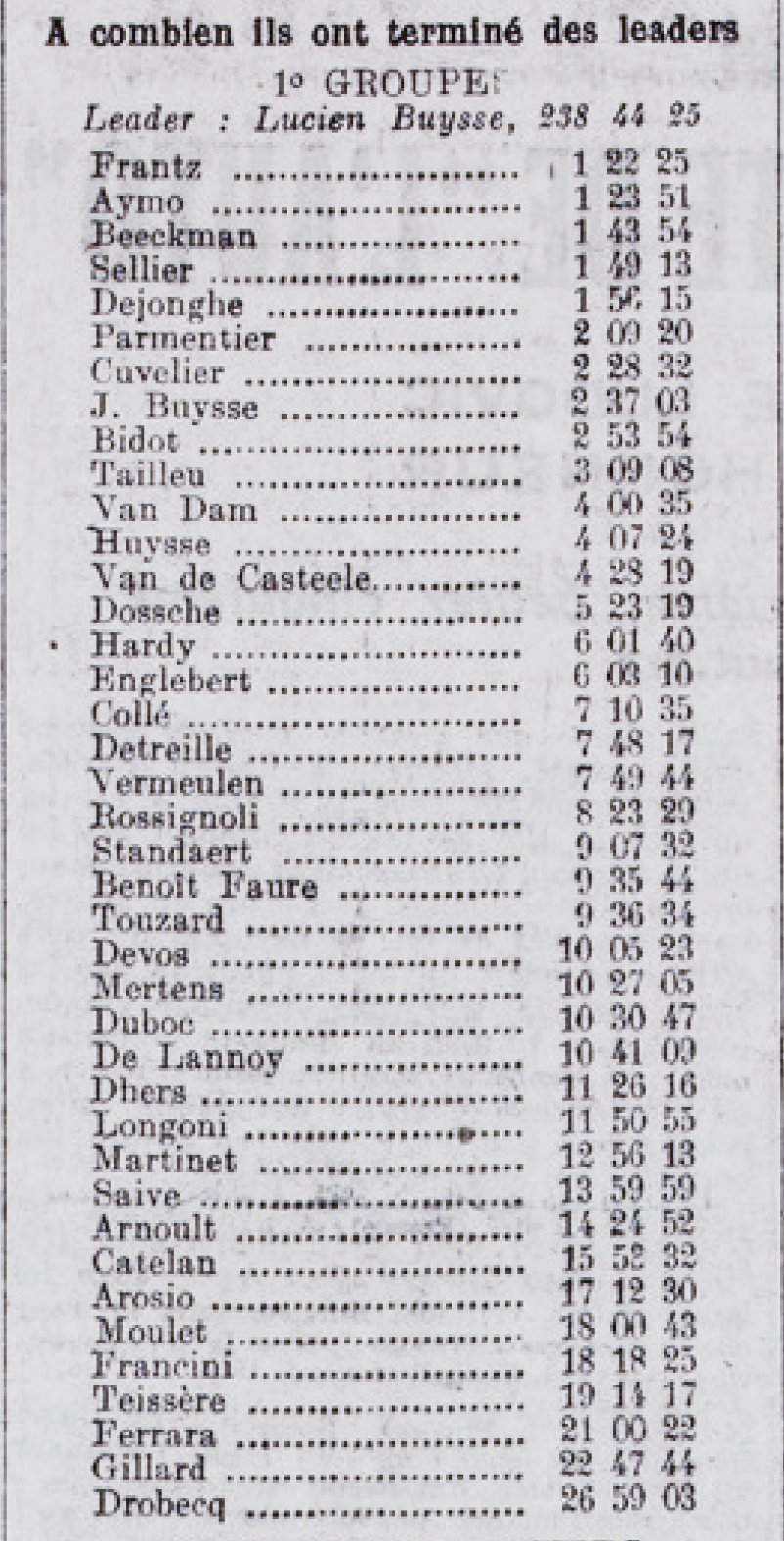
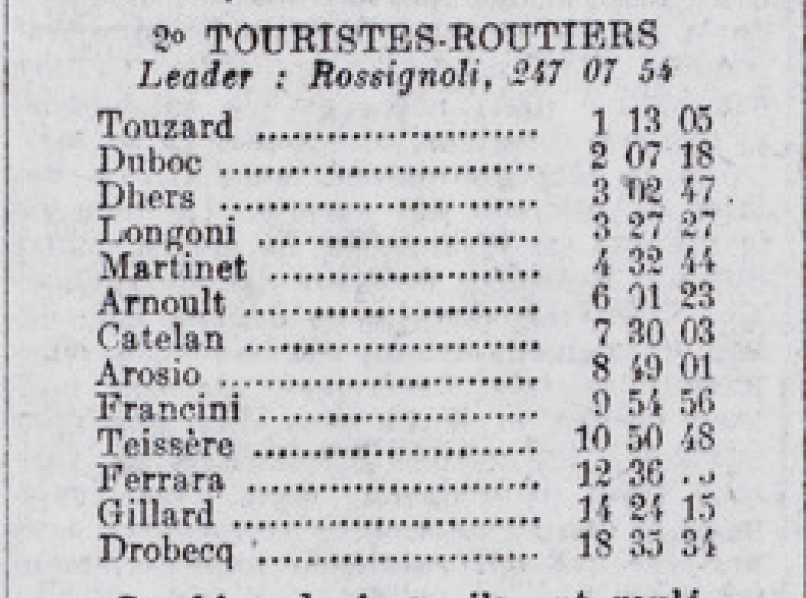
Etappenergebnis

1. Aimé Dossche (BEL, Christophe-Hutchinson) 14h56‘5“

2. Félix Sellier (BEL, Alcyon-Dunlop) +0“

3. Marcel Bidot (FRA, Thomann-Dunlop) +0“

4. Léon Parmentier (BEL, Jean Louvet-Hutchinson) +0“

5. Lucien Buysse (BEL, Automoto-Hutchinson) +0“

6. Benoît Faure (FRA, Météore-Wolber) +0“

7. Bartolomeo Aimo (ITA, Alcyon-Dunlop) +0“

8. Jules Buysse (BEL, Automoto-Hutchinson) +0“

9. Henri Touzard (FRA, touriste-routier/Paris) +0“

10. Albert Dejonghe (BEL, J.-B. Louvet-Wolber) +0“

Gesamtklassement

1. Lucien Buysse (BEL, Automoto-Hutchinson) 238h44‘25“

2. Nicolas Frantz (LUX, Alcyon-Dunlop) +1h22‘25“

3. Bartolomeo Aimo (ITA, Alcyon-Dunlop) +1h22‘51“

4. Théo Beeckman (BEL, Armor-Dunlop) +1h43‘54“

5. Félix Sellier (BEL, Alcyon-Dunlop) +1h49‘13“

6. Albert Dejonghe (BEL, J.-B. Louvet-Wolber) +1h56‘15“

7. Léon Parmentier (BEL, Jean Louvet-Hutchinson) +2h9‘20“

8. Georges Cuvelier (FRA, Météore-Wolber) +2h28‘32“

9. Jules Buysse (BEL, Automoto-Hutchinson) +2h37‘3“

10. Marcel Bidot (FRA, Thomann-Dunlop) +2h53‘54“

Gesamtklassement touristes-routiers

1. Giovanni Rossignoli (ITA, Pavia) 247h7‘54“

2. Henri Touzard (FRA, Paris) +1h13‘5“

3. Paul Duboc (FRA, Paris) +2h7‘18“

4. Eugène Dhers (FRA, Gaillon) +3h2‘47“

5. Charles Longoni (ITA, Lyon) +3h27‘27“

6. Charles Martinet (SUI, Genf) +4h32‘44“

7. Maurice Arnoult (FRA, Evreux) +6h1‘23“

8. Henri Catelan (FRA, Le Havre) +7h30‘3“

9. Moïse Arosio (ITA, Toulon) +8h49‘1“

10. Alfred Francini (ITA, Nizza) +9h54‘56“

Klicken zum Vergrößern

English

Stage 17: Dijon - Paris

18 July 1926

(341 kilometres, 1412 metres of climbing)

Stage start: Dijon

Dijon is the capital of the Côte d’Or, the ‘Golden Slopes’. With a population of 160,000 (half that number just 100 years ago), the city is home to the Université de Bourgogne. The city is, of course, also famous for its mustard and as a trading centre for Burgundy wine. Furthermore, throughout the region there are remarkable structures designed by a man born in Dijon in 1832: Alexandre Gustave Bonickhausen, known as Eiffel.

Dijon first featured on the Tour de France route in 1906 – specifically on the stage that included a proper mountain for the first time. On the route from Nancy to Dijon, the riders had to climb the Ballon d’Alsace. The day’s big winner was René Pottier. It was not until 1926 that the Tour de France returned to Dijon.

Dijon was often a stage stop between the Alps and Paris. A time trial was frequently held here too, for example in 1958, when Charly Gaul won the stage, or a year later, when Roger Rivière triumphed. The 1987 time trial around Dijon was legendary: on the penultimate day of the Tour de France, Pedro Delgado lost the Yellow Jersey to Stephen Roche, who ultimately went on to wear it all the way to Paris. The Tour de France last visited the city in 2024, when Dylan Groenwegen won the bunch sprint.

Route: Évian-les-Bains - Dijon

The first 76 km of the 16th stage followed exactly the same route the riders had taken on the 1st stage.

So initially, the route ran once again along Lake Geneva and the Swiss border down to the Rhône. After crossing the river bridge, however, the riders did not turn north but continued westwards to cross the lower part of the Jura Mountains.

After two minor climbs, the Col du Berthiand, just past Nantua, marked the last significant mountain pass of the 1926 Tour de France. The peloton then descended to Bourg-en-Bresse and continued on to Mâcon. The route followed the banks of the Saône as far as Chalon.

The final 70 km were also on flat terrain all the way to Dijon, where the finish line was set up near what was then the army arsenal.

Stage Report

Hello, bonjour and good afternoon for the 17th and final stage!

The press reported: “A stage with almost no drama…” The reasons given were the riders’ fatigue and the scorching heat. Only Camille Van de Casteele attempted an attack some 50 km from the finish at Essonnes. Only Lucien Buysse went with him, but he had no intention of doing any lead-out work. So Van de Casteele soon eased off as well.
Ultimately, on the climbs between Versailles and Paris, the leading group had been whittled down to ten riders, who reached the velodrome in Paris’s Parc des Princes together. All hell had been breaking loose in the stadium since midday; due to overcrowding, no further spectators could be admitted. Aimé Dossche won the sprint by half a front-wheel’s length ahead of Félix Sellier. The riders had completed the 666-metre final lap of the velodrome in 55 seconds, which corresponded to an average speed of 44 km/h. After the finish, the spectators stormed the track to celebrate the heroes of the Tour de France, the giants of the road.
Tour director Desgrange’s assessment was mixed: he said it was regrettable that there had been so many mass finishes. However, he also acknowledged the circumstances: it had been the longest Tour de France of all time. They had constantly had to contend with intense heat and severe storms in the mountains. And finally, ever since Luchon, there had been a rider in the yellow jersey who had given no reason to hope that he could still be caught.
Lucien Buysse was the strongest rider in the peloton. Following Henri Pélissier and Ottavio Bottecchia’s two overall victories, he secured the fourth consecutive Tour de France win for his team, Automoto-Hutchinson. The team also won six stages.
The Luxembourger Nicolas Frantz was particularly impressive, keeping pace with Buysse on every stage – except the one to Luchon. His team, Alcyon-Dunlop, won as many as seven stages and also took second, third and fifth places in the general classification.
The Christophe-Hutchinson team also had reason to be satisfied, having won two stages with Aimé Dossche. The J.B. Louvet-Wolber team was also rewarded with two stage victories and, with Gustave Van Slembroeck, held the Yellow Jersey from Dunkirk right through to the Pyrenees.
In the end, 41 of the 126 riders who started reached Paris. The Frenchman André Drobecq crossed the finish line in last place, a staggering 26h 59’ 3” behind the leader.
The overall victory in the ‘touriste-routiers’ category was claimed by the 44-year-old former professional Giovanni Rossignoli, with a lead of over an hour over Henri Touzard, who had gone from strength to strength towards the end of the Tour de France. Third place went to Paul Duboc, another former professional cyclist.

So, whilst some set off on their well-deserved lap of honour, others, after the obligatory visit to the L’Auto editorial office, began their journey home, where the rigours of everyday life awaited them.

Stage result

1. Aimé Dossche (BEL, Christophe-Hutchinson) 14h56‘5“

2. Félix Sellier (BEL, Alcyon-Dunlop) +0“

3. Marcel Bidot (FRA, Thomann-Dunlop) +0“

4. Léon Parmentier (BEL, Jean Louvet-Hutchinson) +0“

5. Lucien Buysse (BEL, Automoto-Hutchinson) +0“

6. Benoît Faure (FRA, Météore-Wolber) +0“

7. Bartolomeo Aimo (ITA, Alcyon-Dunlop) +0“

8. Jules Buysse (BEL, Automoto-Hutchinson) +0“

9. Henri Touzard (FRA, touriste-routier/Paris) +0“

10. Albert Dejonghe (BEL, J.-B. Louvet-Wolber) +0“

Overall standings

1. Lucien Buysse (BEL, Automoto-Hutchinson) 238h44‘25“

2. Nicolas Frantz (LUX, Alcyon-Dunlop) +1h22‘25“

3. Bartolomeo Aimo (ITA, Alcyon-Dunlop) +1h22‘51“

4. Théo Beeckman (BEL, Armor-Dunlop) +1h43‘54“

5. Félix Sellier (BEL, Alcyon-Dunlop) +1h49‘13“

6. Albert Dejonghe (BEL, J.-B. Louvet-Wolber) +1h56‘15“

7. Léon Parmentier (BEL, Jean Louvet-Hutchinson) +2h9‘20“

8. Georges Cuvelier (FRA, Météore-Wolber) +2h28‘32“

9. Jules Buysse (BEL, Automoto-Hutchinson) +2h37‘3“

10. Marcel Bidot (FRA, Thomann-Dunlop) +2h53‘54“

Overall standings of the touristes-routiers

1. Giovanni Rossignoli (ITA, Pavia) 247h7‘54“

2. Henri Touzard (FRA, Paris) +1h13‘5“

3. Paul Duboc (FRA, Paris) +2h7‘18“

4. Eugène Dhers (FRA, Gaillon) +3h2‘47“

5. Charles Longoni (ITA, Lyon) +3h27‘27“

6. Charles Martinet (SUI, Genf) +4h32‘44“

7. Maurice Arnoult (FRA, Evreux) +6h1‘23“

8. Henri Catelan (FRA, Le Havre) +7h30‘3“

9. Moïse Arosio (ITA, Toulon) +8h49‘1“

10. Alfred Francini (ITA, Nizza) +9h54‘56“

Français

Étape 17: Dijon - Paris

18 juillet 1926 

(341 kilomètres, 1412 mètres de dénivelé)

Ville d'étape : Dijon

Dijon est le chef-lieu de la Côte d’Or, les « coteaux dorés ». Avec ses 160 000 habitants (il y en avait deux fois moins il y a 100 ans), la ville abrite l’Université de Bourgogne. Elle est bien sûr également célèbre pour sa moutarde et en tant que place de commerce du vin de Bourgogne. On trouve par ailleurs dans tout le pays des ouvrages architecturaux exceptionnels conçus par un homme né à Dijon en 1832 : Alexandre Gustave Bonickhausen, dit Eiffel.

Dijon figurait pour la première fois au programme du Tour de France en 1906, plus précisément lors de l’étape qui comportait pour la première fois une véritable ascension. Sur le trajet reliant Nancy à Dijon, les coureurs devaient gravir le Ballon d’Alsace. Le grand vainqueur de cette journée fut René Pottier. Ce n’est qu’en 1926 que le Tour de France revint à Dijon.

Il n’était pas rare que Dijon soit une ville-étape entre les Alpes et Paris. Souvent, un contre-la-montre y était même organisé, comme par exemple en 1958 avec le vainqueur d’étape Charly Gaul ou un an plus tard, lorsque Roger Rivière s’imposa. Le contre-la-montre autour de Dijon en 1987 est resté légendaire : l’avant-dernier jour du Tour de France, Pedro Delgado a cédé le maillot jaune à Stephen Roche, qui a finalement pu le porter jusqu’à Paris. La dernière visite du Tour de France remonte à 2024, lorsque Dylan Groenwegen s’est imposé au sprint massif.

Parcours : Évian-les-Bains - Dijon

Les 76 premiers kilomètres de la 16e étape suivaient exactement le même tracé que celui emprunté par les coureurs lors de la 1re étape.

Dans un premier temps, le parcours longeait donc à nouveau le lac Léman et la frontière suisse jusqu’aux rives du Rhône. Après avoir franchi le pont sur le fleuve, les coureurs ne bifurquèrent toutefois pas vers le nord, mais continuèrent vers l’ouest afin de traverser la partie la plus basse du massif du Jura.

Après deux petites ascensions, le Col du Berthiand, situé après Nantua, constituait la dernière ascension notable du Tour de France 1926. Le peloton a ensuite descendu vers Bourg-en-Bresse, puis a poursuivi vers Mâcon. Le parcours longeait les rives de la Saône jusqu’à Chalon.

Les 70 derniers kilomètres se sont également déroulés sur un terrain plat jusqu’à Dijon, où la ligne d’arrivée avait été installée près de l’ancien arsenal de l’armée.

Rapport d'étape

Hello, bonjour et guten Tag pour la 17e et dernière étape !

La presse a écrit : « Une étape presque sans histoire… » La fatigue des coureurs et la chaleur torride ont été invoquées comme raisons. Seul Camille Van de Casteele a tenté une attaque à environ 50 km de l’arrivée, près d’Essonnes. Seul Lucien Buysse l’a suivi, mais sans vouloir prendre la tête du groupe. Van de Casteele a donc lui aussi rapidement relâché l’effort.
Finalement, dans les côtes entre Versailles et Paris, le groupe de tête s’était réduit à dix coureurs, qui ont atteint ensemble le vélodrome du Parc des Princes à Paris. Dans le stade, l’ambiance était déjà survoltée depuis midi ; en raison de la surfréquentation, aucun spectateur supplémentaire n’a pu être admis. Avec une demi-longueur d’avance, Aimé Dossche remporta le sprint devant Félix Sellier. Les coureurs avaient parcouru le dernier tour de 666 m du vélodrome en 55 secondes, soit une moyenne de 44 km/h. Après l’arrivée, les spectateurs se ruèrent sur la piste pour acclamer les héros du Tour de France, ces géants de la route.
Le bilan dressé par le directeur du Tour, Desgrange, était mitigé : il regrettait qu’il y ait eu autant d’arrivées en masse. Il reconnaissait toutefois les circonstances : ce Tour de France avait été le plus long de tous les temps. Il a fallu sans cesse faire face à une chaleur accablante et à de violentes intempéries en montagne. Et enfin, depuis Luchon, il y avait un coureur en maillot jaune qui ne laissait aucun espoir de le rattraper.

Lucien Buysse était le plus fort du peloton. Après Henri Pélissier et les deux victoires au classement général d’Ottavio Bottecchia, il a offert à son équipe Automoto-Hutchinson sa quatrième victoire consécutive au Tour de France. L’équipe a par ailleurs remporté six étapes.
Le Luxembourgeois Nicolas Frantz s’est montré particulièrement performant, parvenant à suivre Buysse sur toutes les étapes, à l’exception de celle menant à Luchon. Son équipe, Alcyon-Dunlop, a même remporté sept étapes et s’est classée aux 2e, 3e et 5e places du classement général.
L'équipe Christophe-Hutchinson pouvait également se montrer satisfaite, puisqu'elle remporta deux étapes grâce à Aimé Dossche. L'équipe J.B. Louvet-Wolber fut elle aussi récompensée par deux victoires d'étape et compta dans ses rangs Gustave Van Slembroeck, qui porta le maillot jaune de Dunkerque jusqu'aux Pyrénées.
Au final, 41 des 126 coureurs au départ ont atteint Paris. C’est le Français André Drobecq qui a franchi la ligne d’arrivée en lanterne rouge, avec un retard colossal de 26 h 59 min 3 s.
La victoire au classement général chez les « touristes-routiers » a été remportée par l’ancien professionnel de 44 ans Giovanni Rossignoli, avec plus d’une heure d’avance sur Henri Touzard, qui s’était montré de plus en plus performant vers la fin du Tour de France. La troisième place est revenue à Paul Duboc, lui aussi ancien cycliste professionnel.

Ainsi, certains ont d'abord effectué leur tour d'honneur bien mérité, tandis que d'autres, après la visite obligatoire à la rédaction de L'Auto, ont pris le chemin du retour, où le dur quotidien les attendait.

Résultat de l'étape

1. Aimé Dossche (BEL, Christophe-Hutchinson) 14h56‘5“

2. Félix Sellier (BEL, Alcyon-Dunlop) +0“

3. Marcel Bidot (FRA, Thomann-Dunlop) +0“

4. Léon Parmentier (BEL, Jean Louvet-Hutchinson) +0“

5. Lucien Buysse (BEL, Automoto-Hutchinson) +0“

6. Benoît Faure (FRA, Météore-Wolber) +0“

7. Bartolomeo Aimo (ITA, Alcyon-Dunlop) +0“

8. Jules Buysse (BEL, Automoto-Hutchinson) +0“

9. Henri Touzard (FRA, touriste-routier/Paris) +0“

10. Albert Dejonghe (BEL, J.-B. Louvet-Wolber) +0“

Classement général

1. Lucien Buysse (BEL, Automoto-Hutchinson) 238h44‘25“

2. Nicolas Frantz (LUX, Alcyon-Dunlop) +1h22‘25“

3. Bartolomeo Aimo (ITA, Alcyon-Dunlop) +1h22‘51“

4. Théo Beeckman (BEL, Armor-Dunlop) +1h43‘54“

5. Félix Sellier (BEL, Alcyon-Dunlop) +1h49‘13“

6. Albert Dejonghe (BEL, J.-B. Louvet-Wolber) +1h56‘15“

7. Léon Parmentier (BEL, Jean Louvet-Hutchinson) +2h9‘20“

8. Georges Cuvelier (FRA, Météore-Wolber) +2h28‘32“

9. Jules Buysse (BEL, Automoto-Hutchinson) +2h37‘3“

10. Marcel Bidot (FRA, Thomann-Dunlop) +2h53‘54“

Classement général des touristes-routiers

1. Giovanni Rossignoli (ITA, Pavia) 247h7‘54“

2. Henri Touzard (FRA, Paris) +1h13‘5“

3. Paul Duboc (FRA, Paris) +2h7‘18“

4. Eugène Dhers (FRA, Gaillon) +3h2‘47“

5. Charles Longoni (ITA, Lyon) +3h27‘27“

6. Charles Martinet (SUI, Genf) +4h32‘44“

7. Maurice Arnoult (FRA, Evreux) +6h1‘23“

8. Henri Catelan (FRA, Le Havre) +7h30‘3“

9. Moïse Arosio (ITA, Toulon) +8h49‘1“

10. Alfred Francini (ITA, Nizza) +9h54‘56“

Erstelle deine eigene Website mit Webador