14. Juli 1926: Nice - Briançon  (275 Kilometer, 5324 Höhenmeter)

Scroll down for the English version | Défilez vers le bas pour la version française
Etappenort: Nice

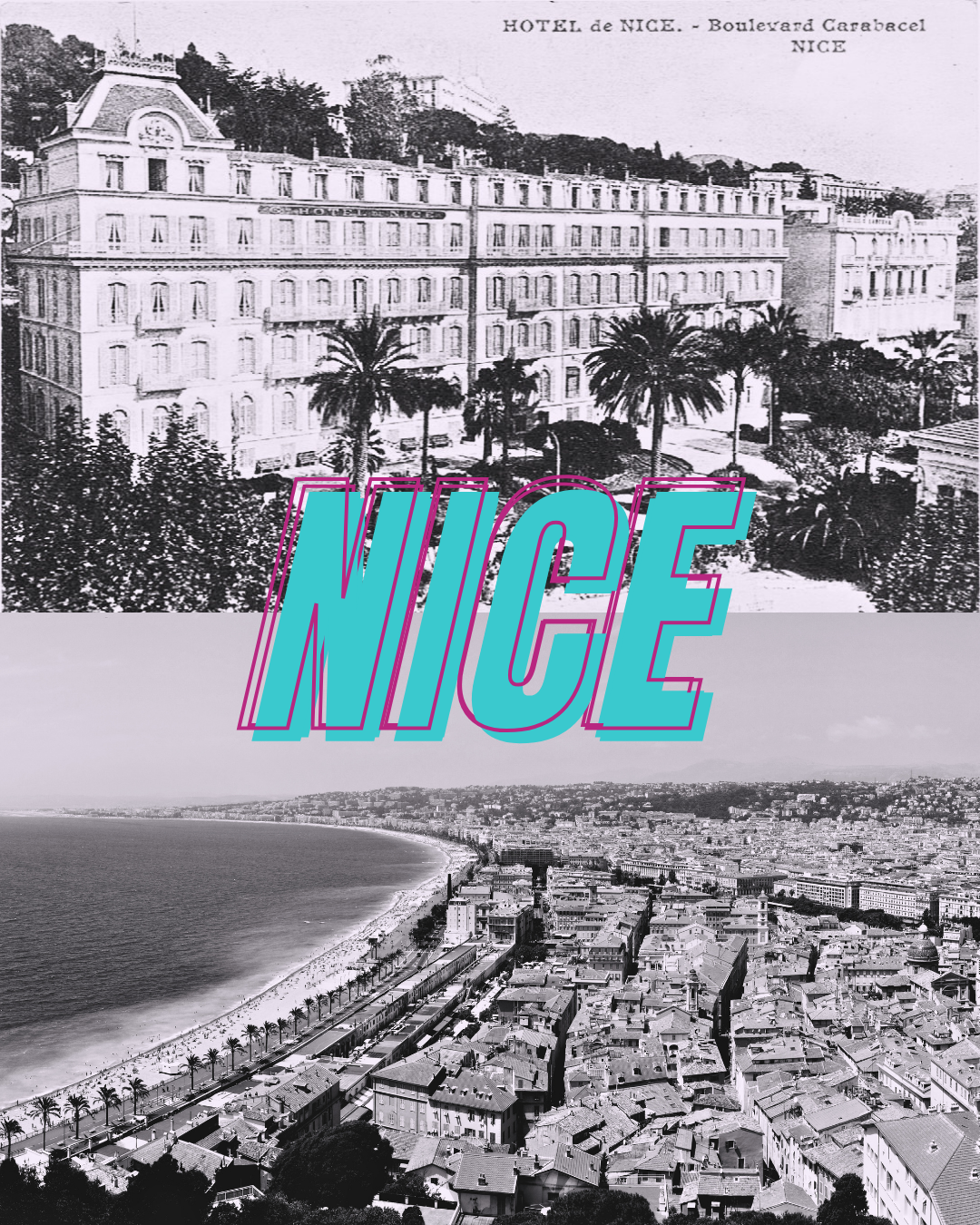
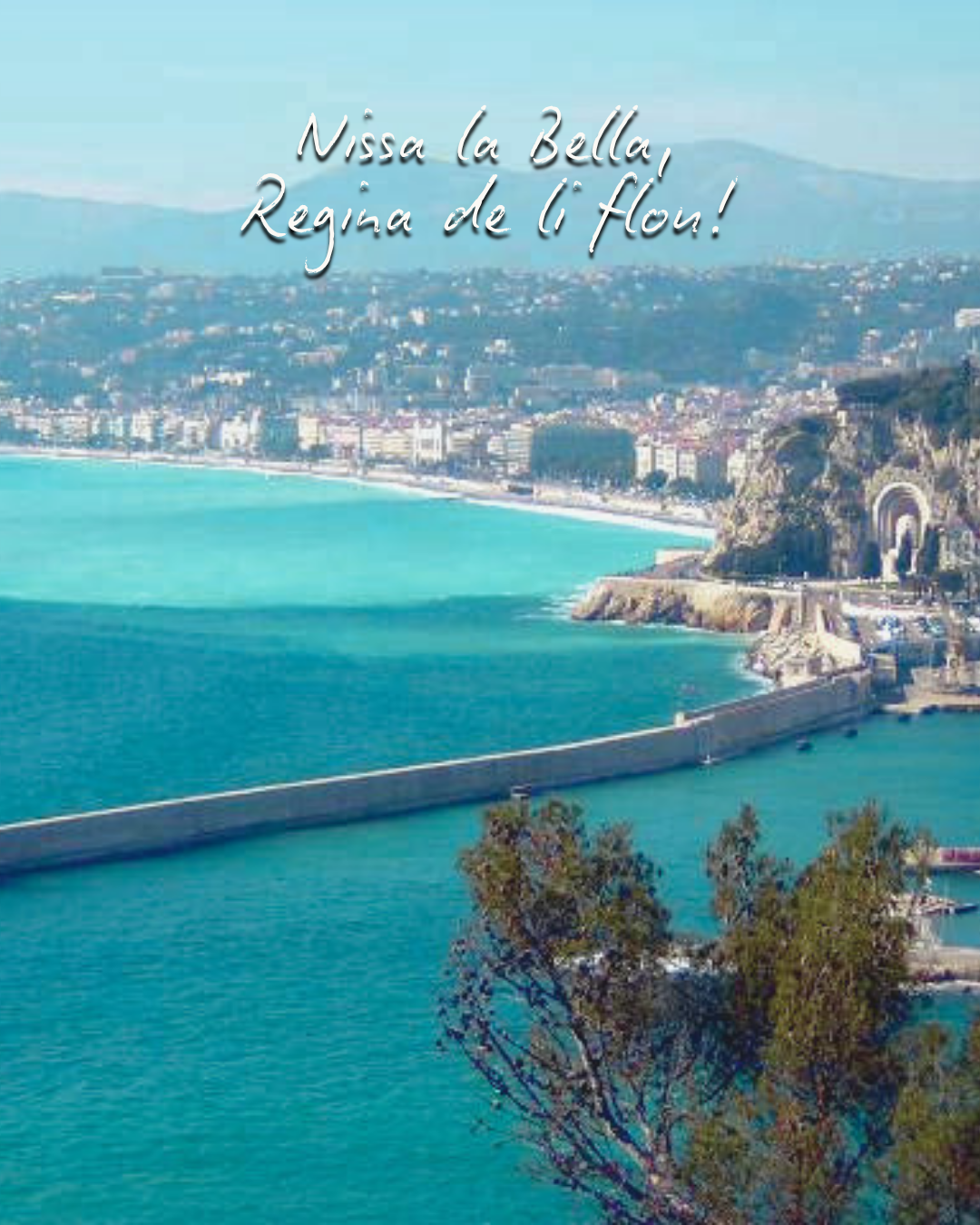
Nice ist die größte Stadt an der Côte d’Azur und liegt weniger als 30 km von Italien entfernt. Mit dem Fürstentum Monaco befindet sich ein weiterer Staat in unmittelbarer Nähe. Wie viele andere Städte in der Region hatten die Alten Griechen sich hier zuerst niedergelassen und Nice als Kolonie gegründet. Über die Jahrhunderte hinweg erlebte die Stadt eine bewegte und wechselvolle Geschichte. Erst seit 1860 ist Nice Teil von Frankreich.

In Nice werden im Jahr 2030 die nächsten Olympischen Winterspiele ausgerichtet. Auch für den Radsport hatte die Stadt immer eine große Bedeutung. Seit 1933 findet mit dem „Rennen zur Sonne“ Paris-Nice das erste wichtige Etappenrennen einer jeden Radsportsaison statt. Zur Tour de France gehörte Nice vor dem 2. Weltkrieg zum festen Inventar.

Nach dem Krieg kehrte die Tour nur noch acht Mal hierher zurück:

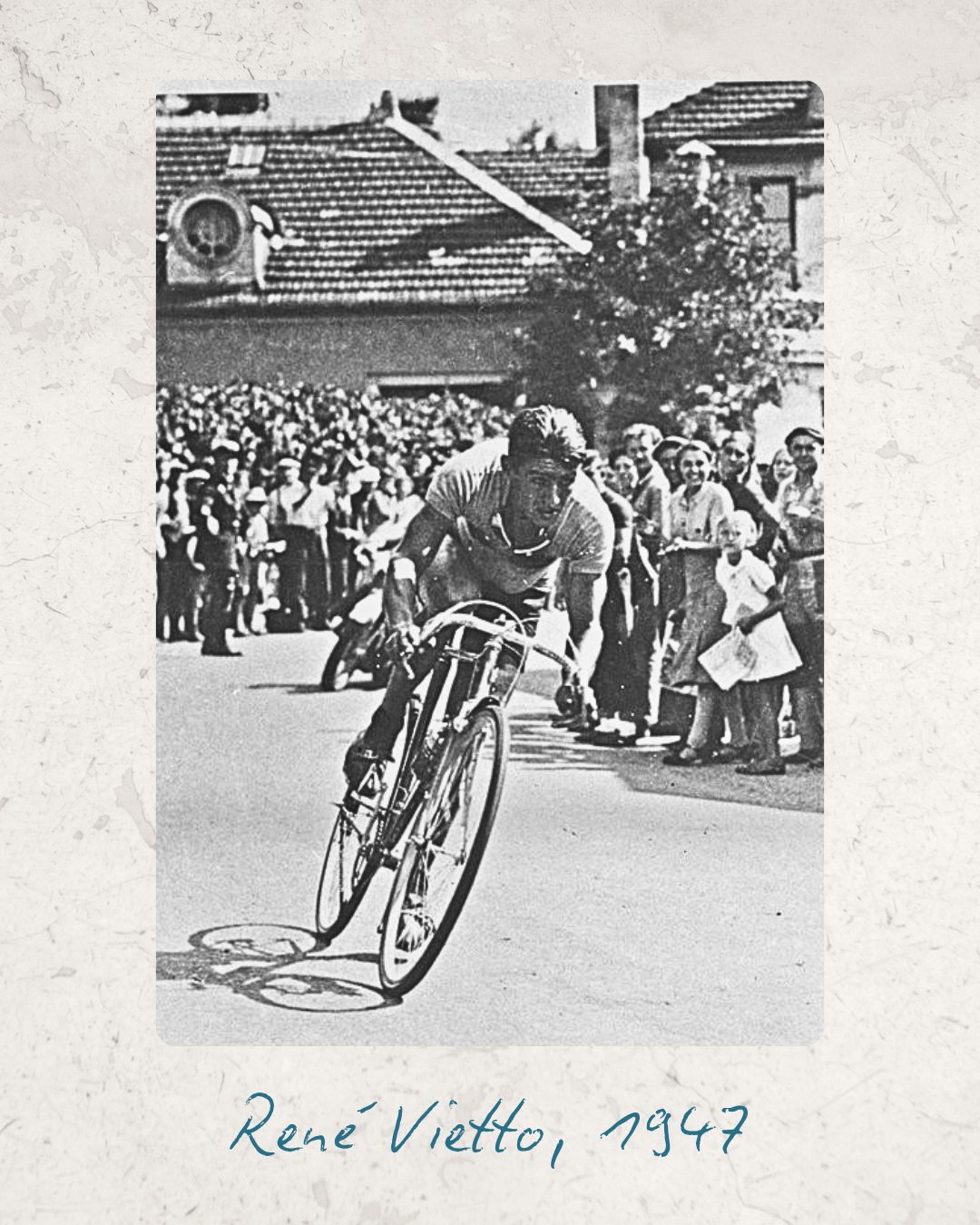
Im Jahr 1947 trug René Vietto das Gelbe Trikot in seiner Heimat. Später errichtete man ihm ein Denkmal mit seinem Urnengrab ganz in der Nähe an der Passhöhe des Col de Braus.


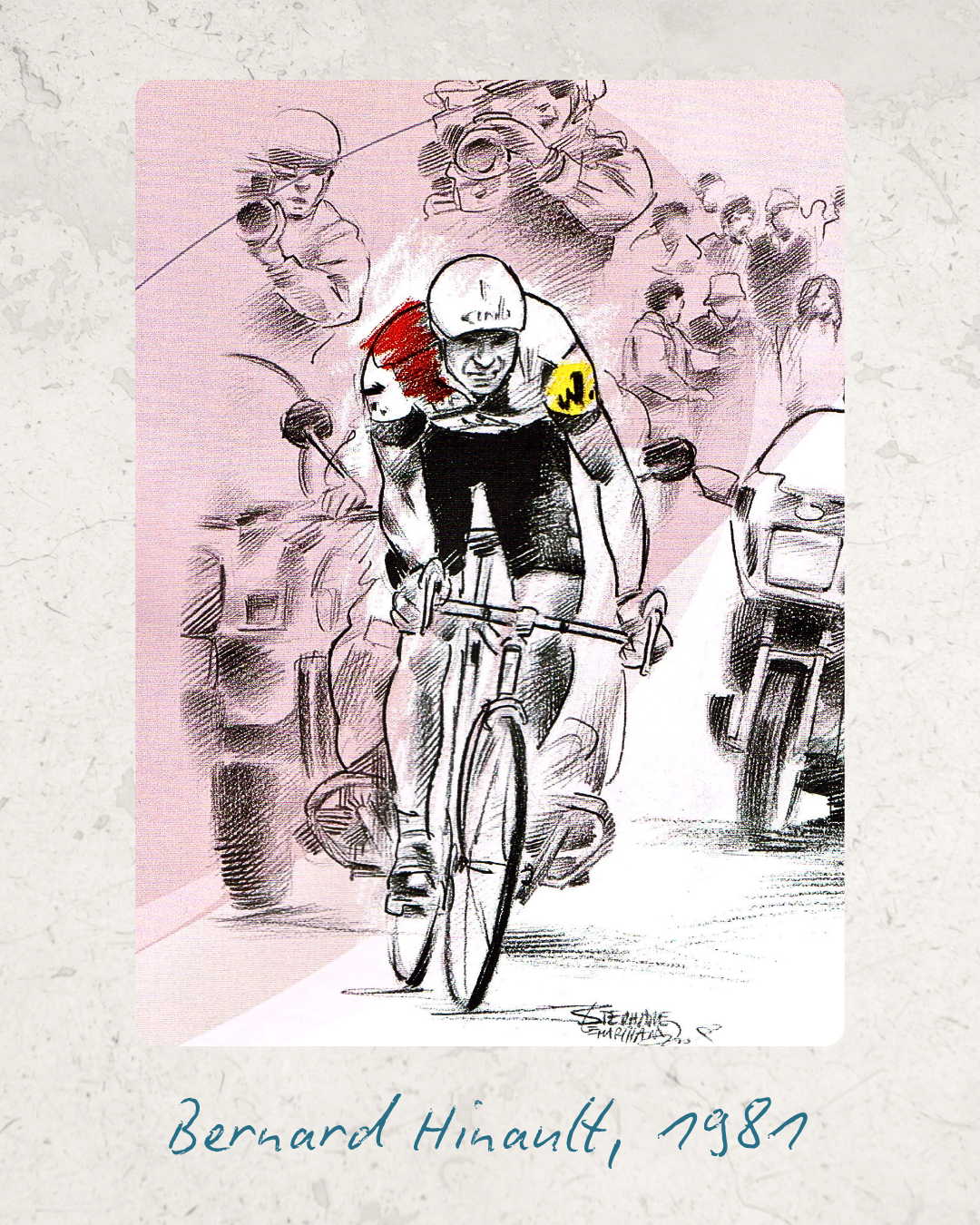
1981 wurde die Tour mit einem Prolog, einer Kurzetappe und einem Teamzeitfahren in Nice gestartet. Bernard Hinault wurde hier bereits seiner Favoritenrolle gerecht und legte den Grundstein für seinen zweiten Gesamtsieg.


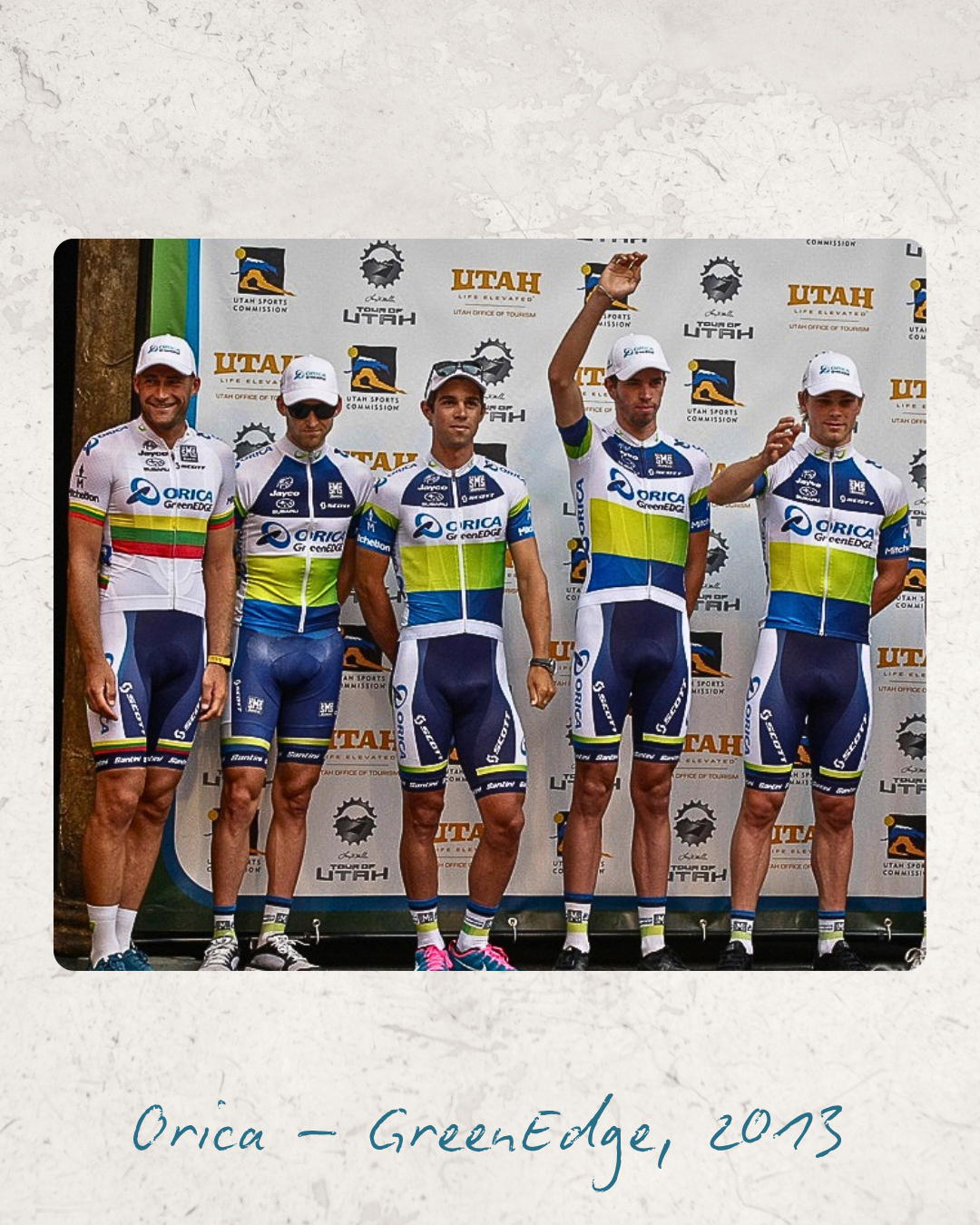
2013 fand erneut ein Teamzeitfahren statt, bei dem die australische Equipe Orica – GreenEdge knapp gewann.


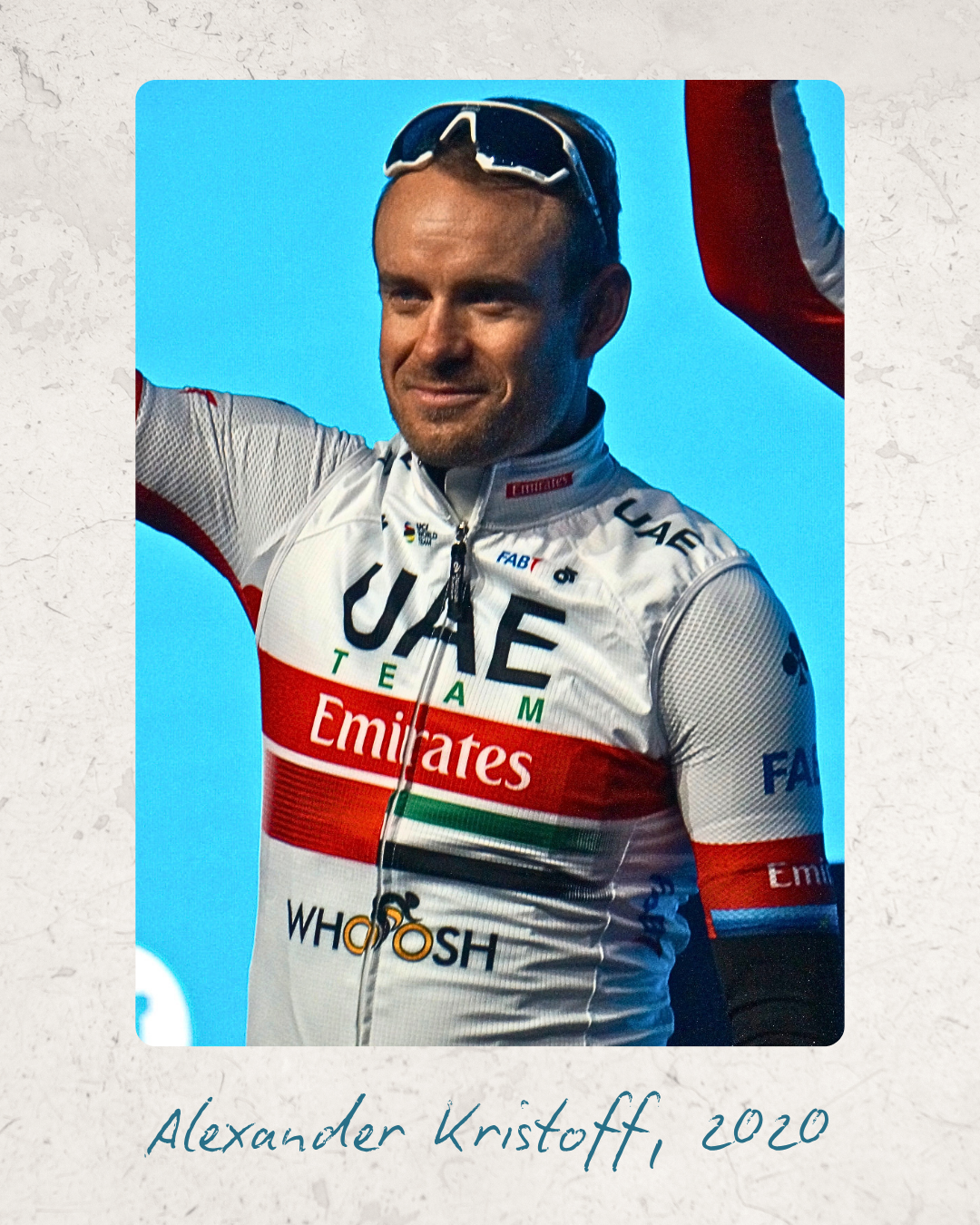
Im Corona-Jahr 2020 konnte Nice ein weiteres Mal den Grand Départ ausrichten. Alexander Kristoff und Julian Alaphilippe hießen die Sieger der beiden ersten Etappen durch die Seealpen.


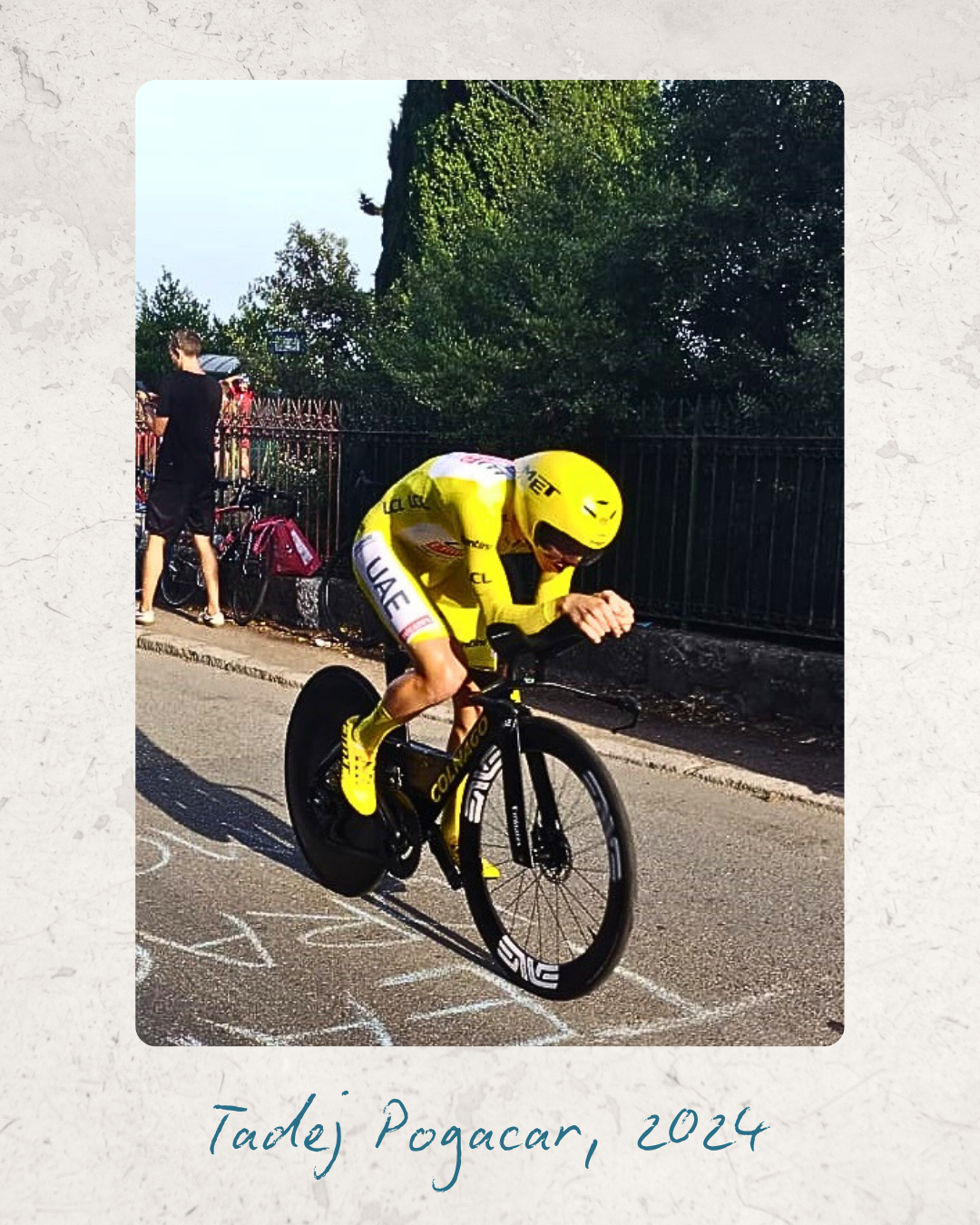
2024 wurde der Stadt eine ganz besondere Ehre zuteil: Aufgrund der Olympischen Sommerspiele in Paris ging die Tour de France zum einzigen Mal in ihrer Geschichte nicht in der Hauptstadt zu Ende, sondern in…Nice! Das Rennen endete mit einem Einzelzeitfahren zwischen Monaco und der Promenade des Anglais, das Tadej Pogacar überlegen gewann.

Klicken zum Vergrößern

Strecke: Nice - Briançon

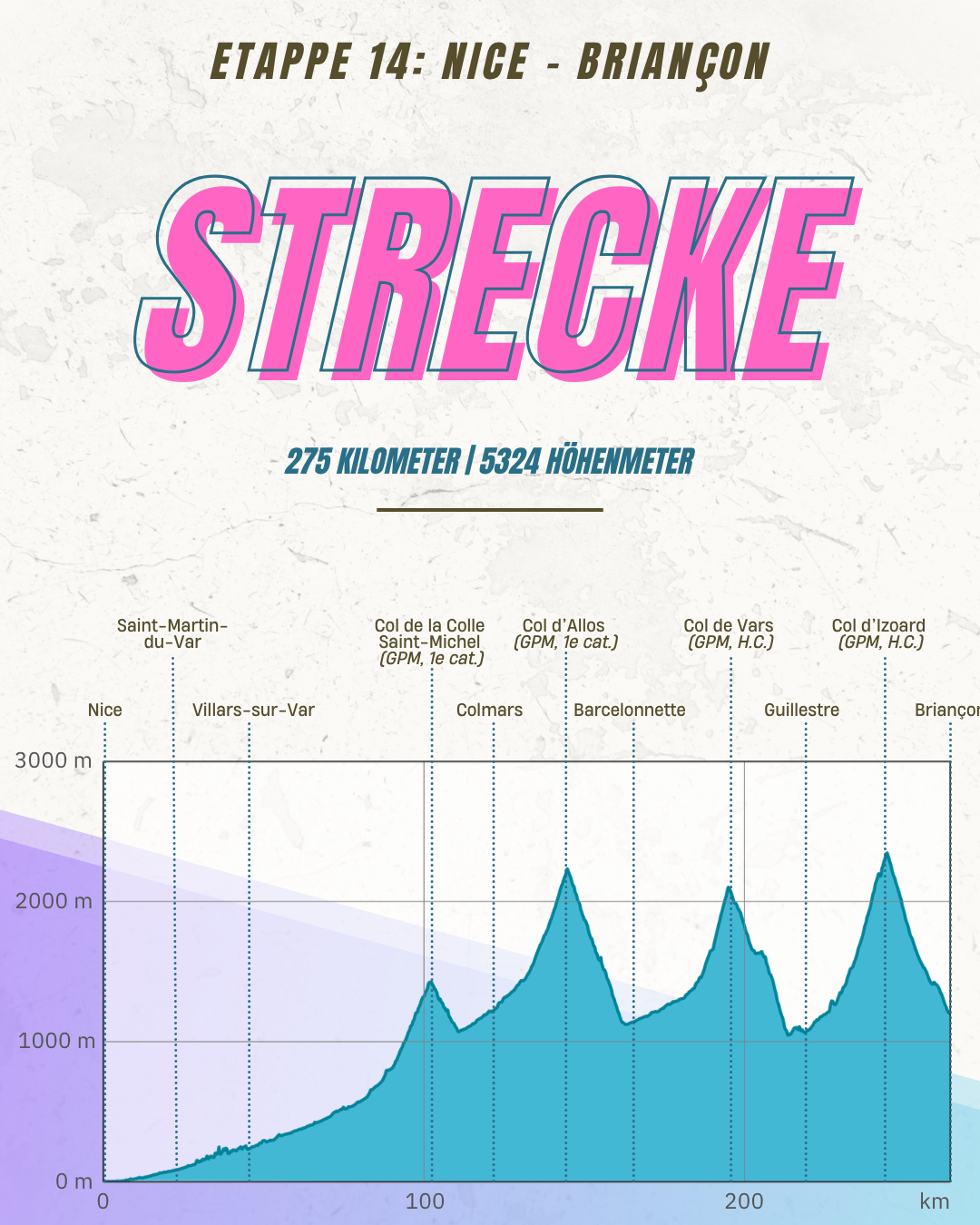
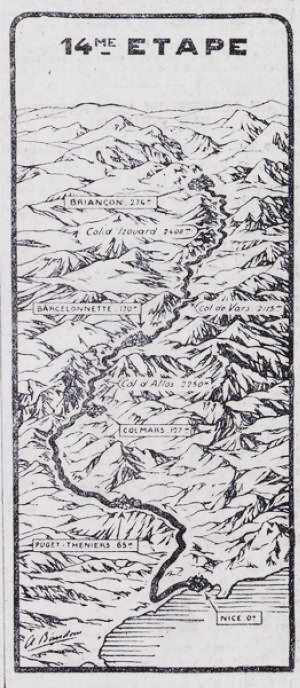
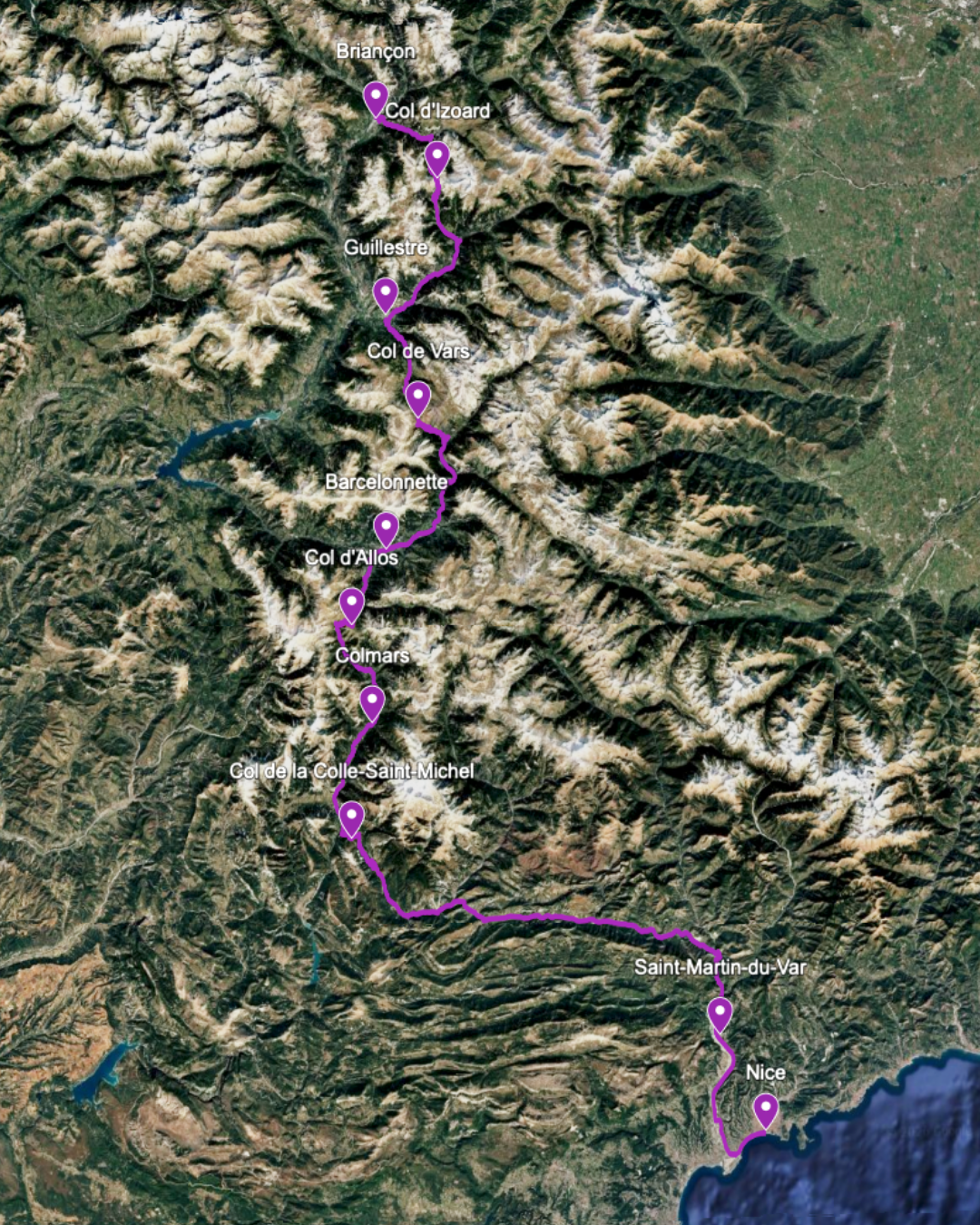
Die 14. Etappe startete in Nice auf der Promenade des Anglais und führte zunächst in westlicher Richtung zurück an die Mündung des Var. Von dort fuhr man 70 Kilometer lang dem Flusslauf entgegen, bis man das Var-Tal verließ und den Berg hinauf nach Colle Saint-Michel erklomm.

Auf der ganzen Etappe sollte es keinen flachen Meter mehr geben. Nach der Abfahrt ins Verdon-Tal ging es gleich weiter in den nächsten Anstieg zum 2247 Meter hohen Col d’Allos. Am Ende der nächsten technisch anspruchsvollen Abfahrt durchfuhr das Peloton Barcelonnette und steuerte den Col de Vars an, ein Berg der höchsten Kategorie.

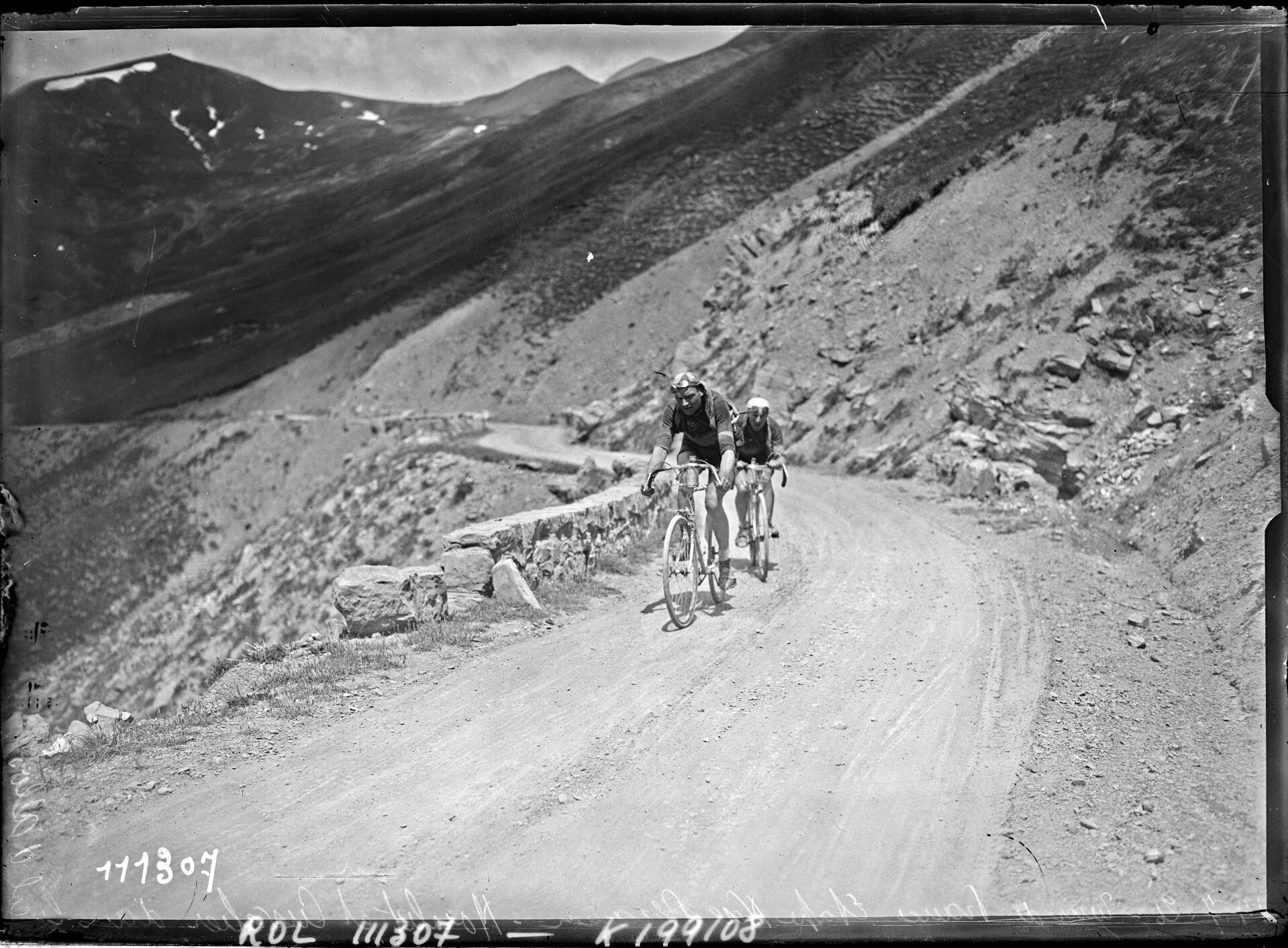
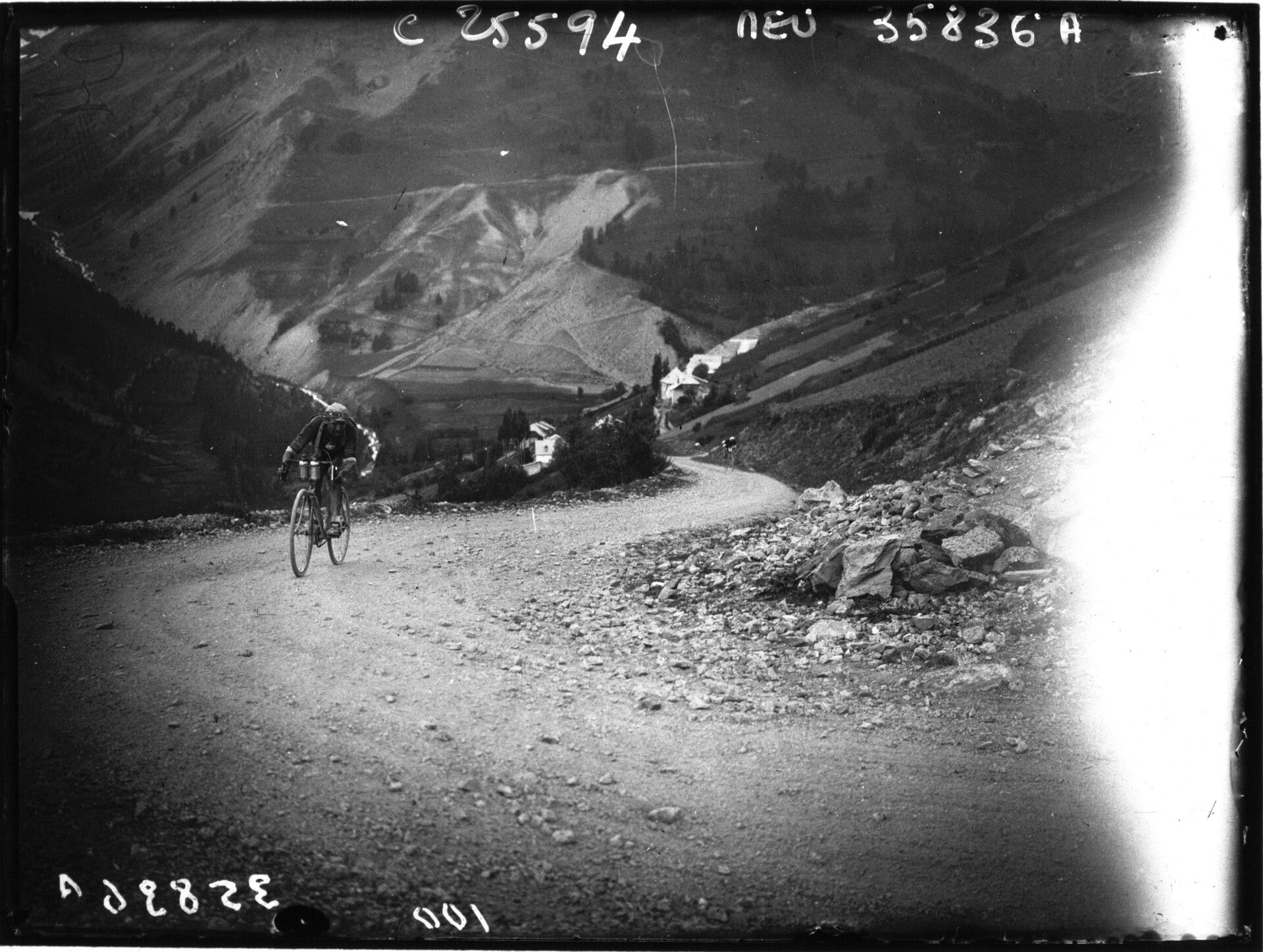
Nach einer weiteren Abfahrt nach Guillestre stand der legendäre Col d’Izoard auf dem Programm. Zum dritten Mal innerhalb von 100 Kilometern mussten die Fahrer auf eine Höhe von über 2000 Metern hinauf.

Anschließend ging es hinab nach Briançon, wo sich das Ziel in unmittelbarer Bahnhofsnähe befand. Nach 275 Kilometern und fast 6000 Höhenmetern dürfte sich manch Fahrer gewünscht haben, er könne nach dem Ziel in den Zug einsteigen und nach Hause fahren.

Klicken zum Vergrößern

Hier findet Ihr die Strecke bei Komoot und Google Maps zum Nachfahren oder näher anschauen:

Etappenbericht

Hello, bonjour und guten Tag zur 14. Etappe!

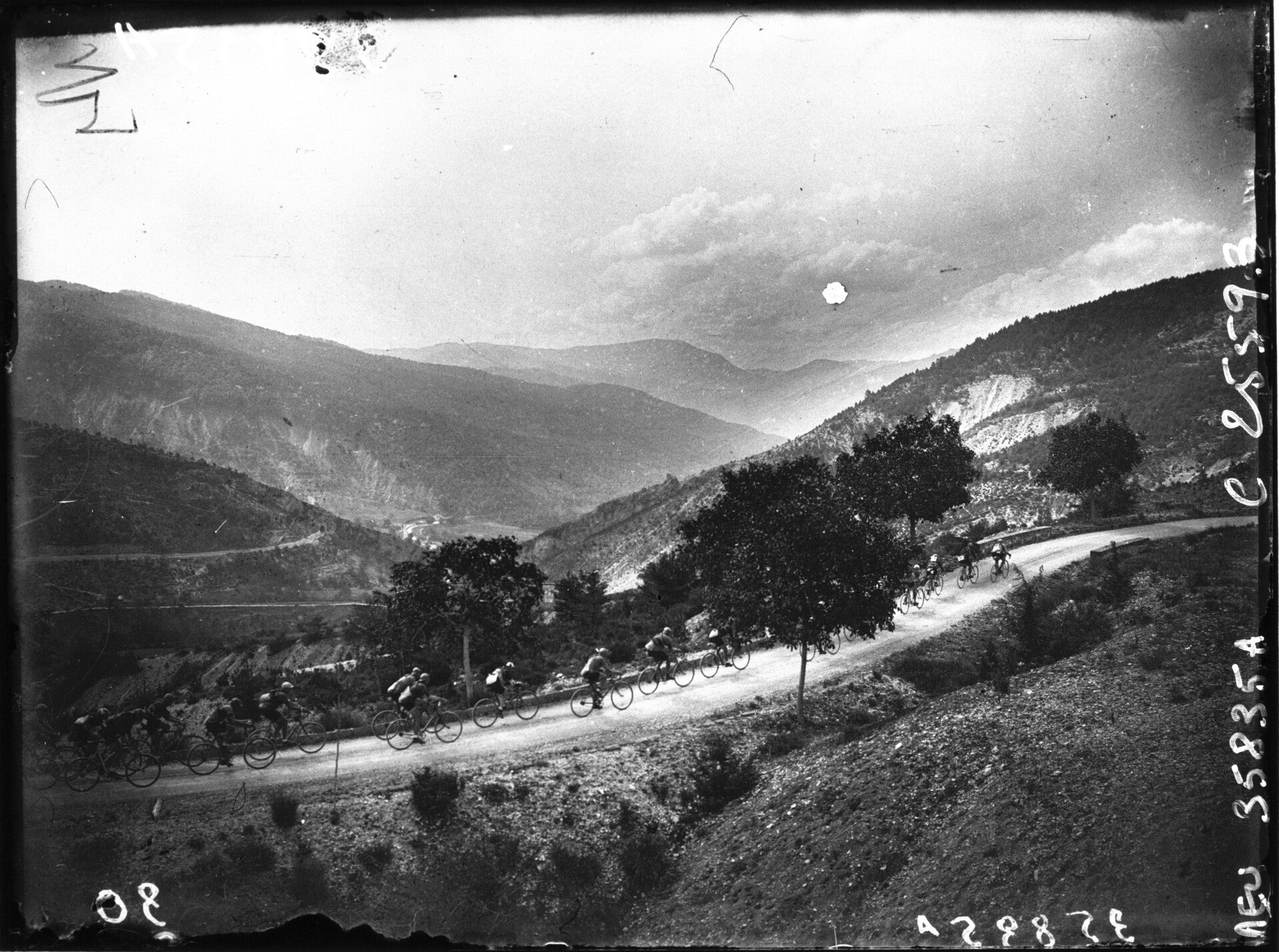
Morgens um 5 Uhr standen in Nice noch 28 Teamfahrer und 18 touriste-routiers am Start. Das Rennen begann im Tal des Var eher ruhig, wussten doch alle, dass später auf der Etappe vier große Alpenpässe warteten. Am Anstieg nach Colle Saint-Michel bekamen die ersten Fahrer Schwierigkeiten, dem Tempo zu folgen. 
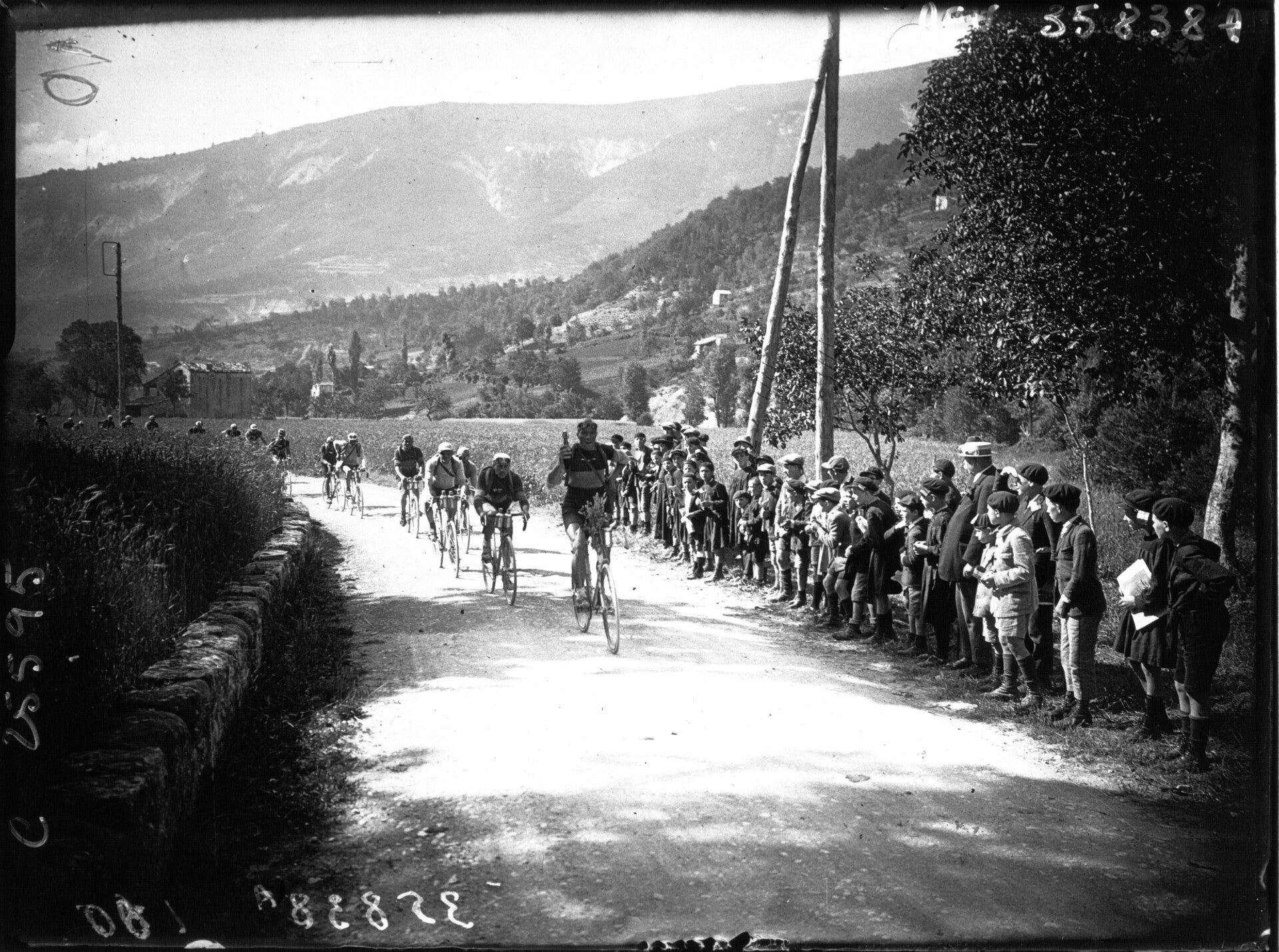
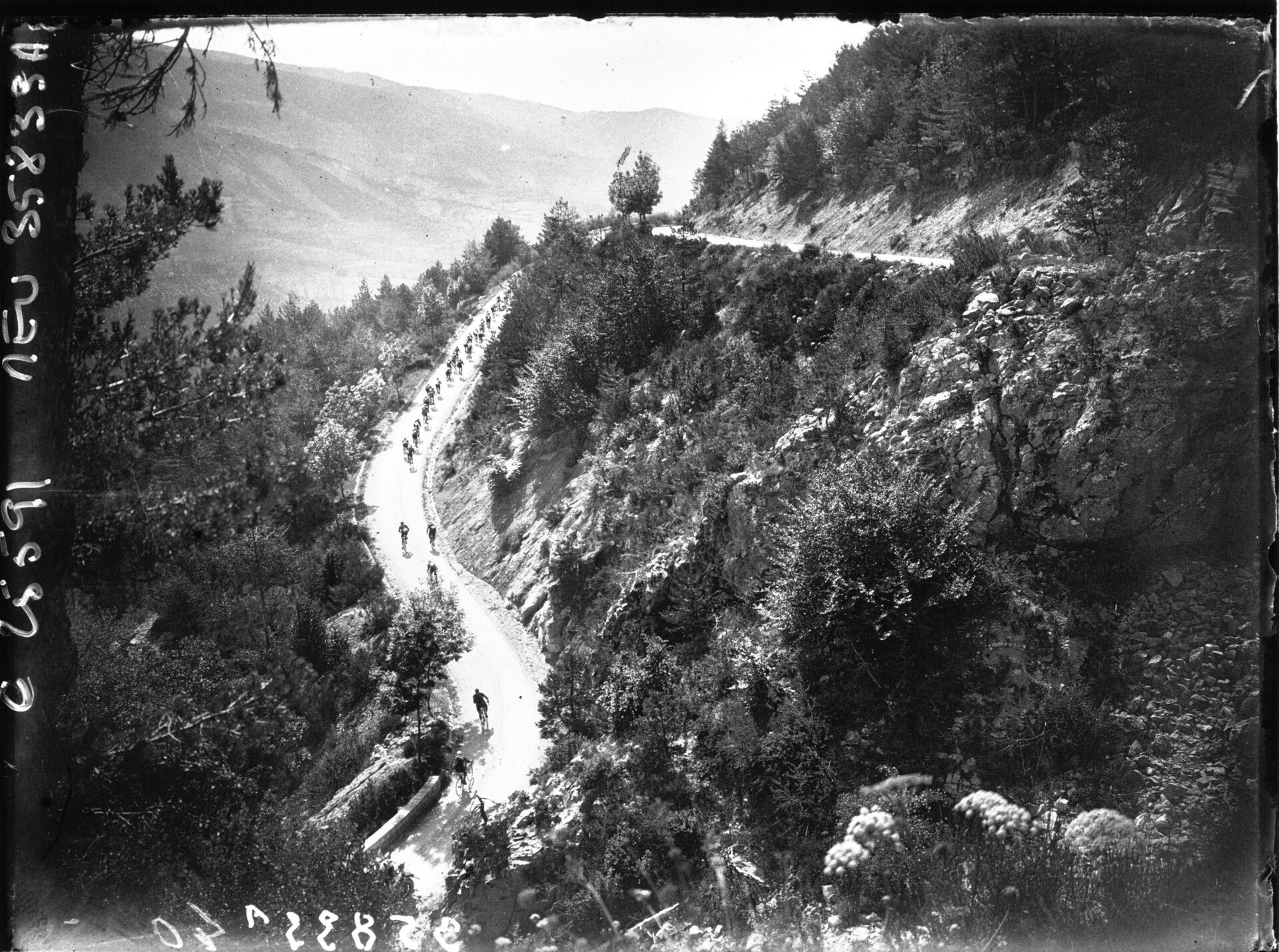
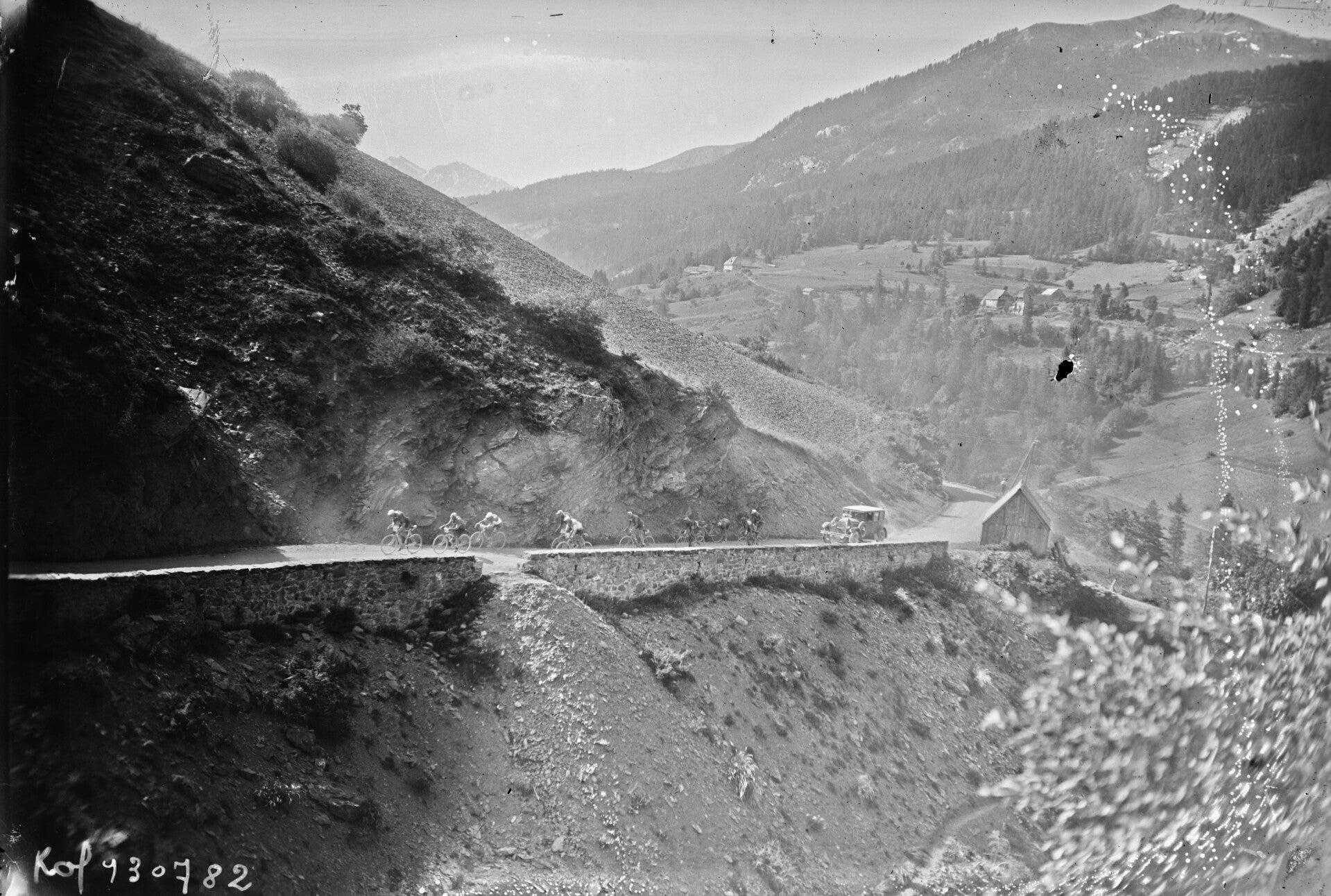
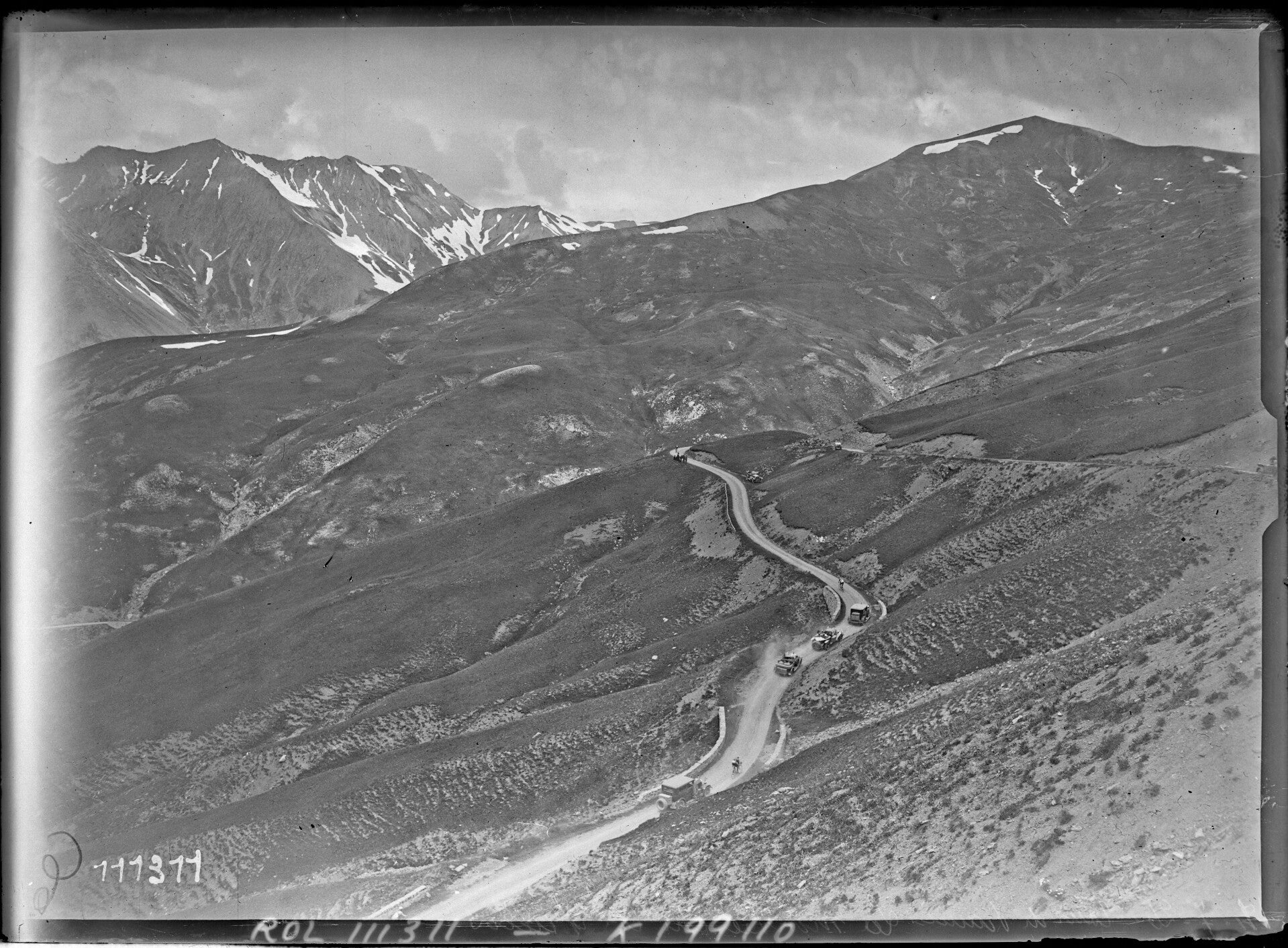
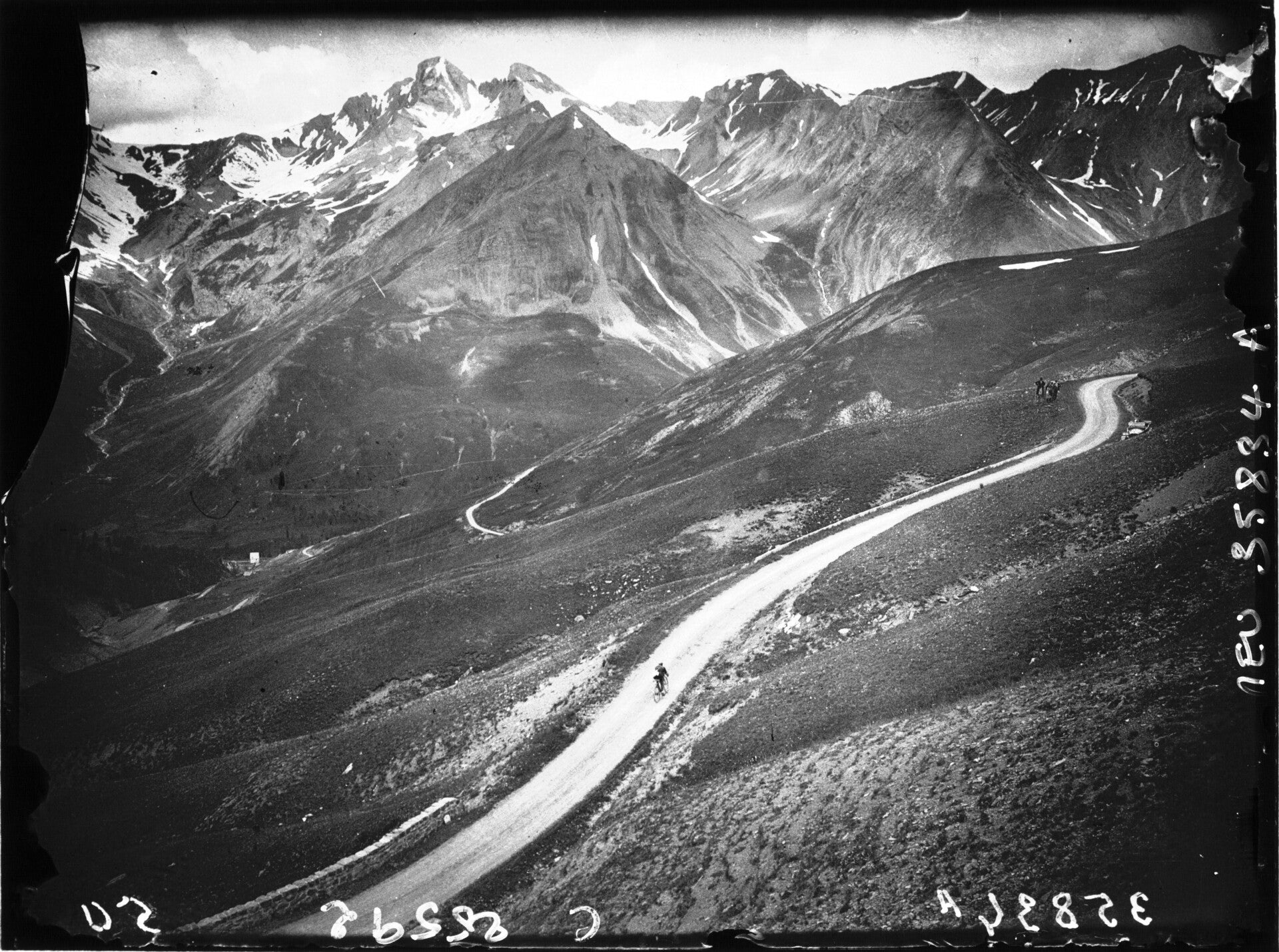
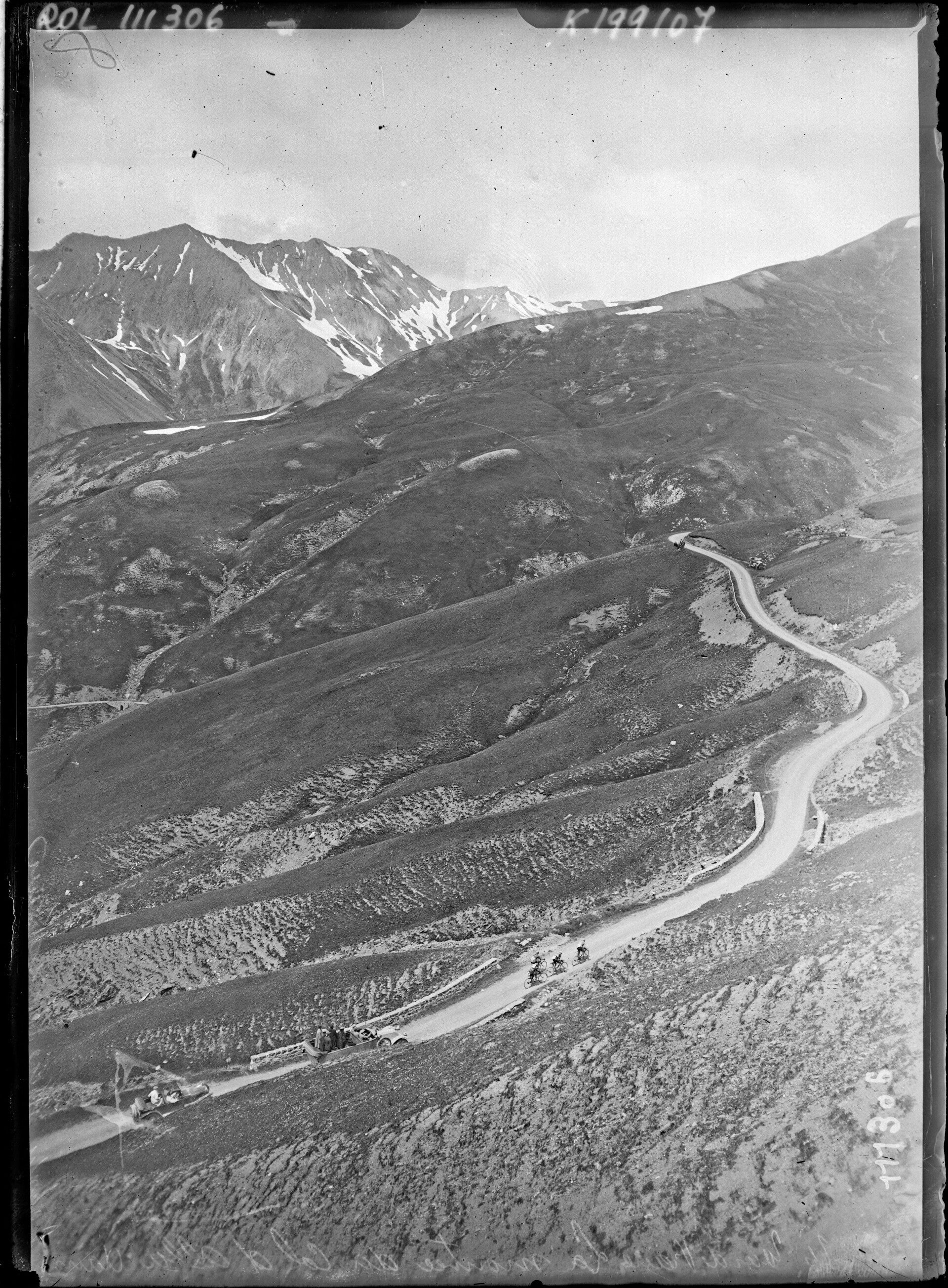
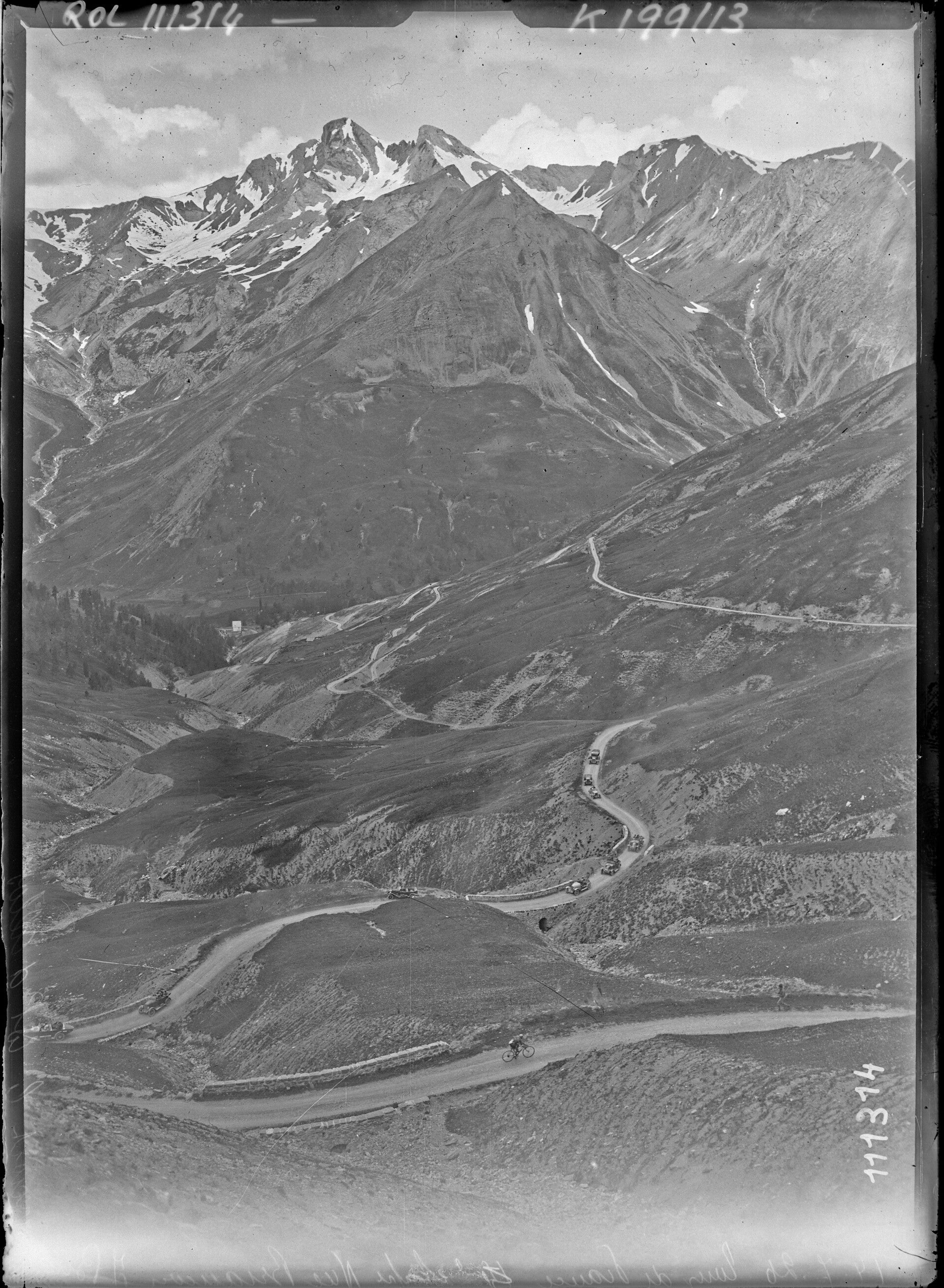
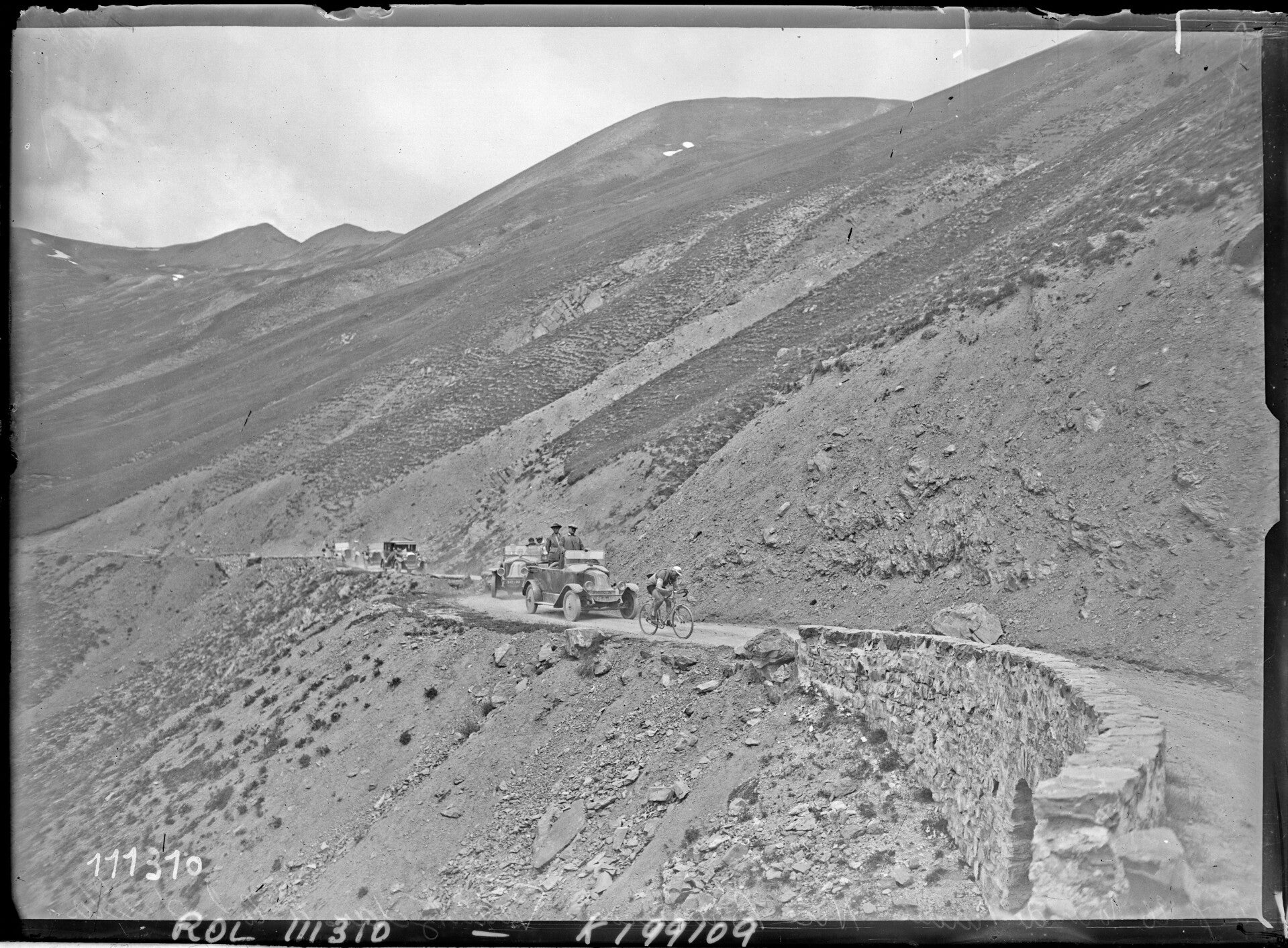
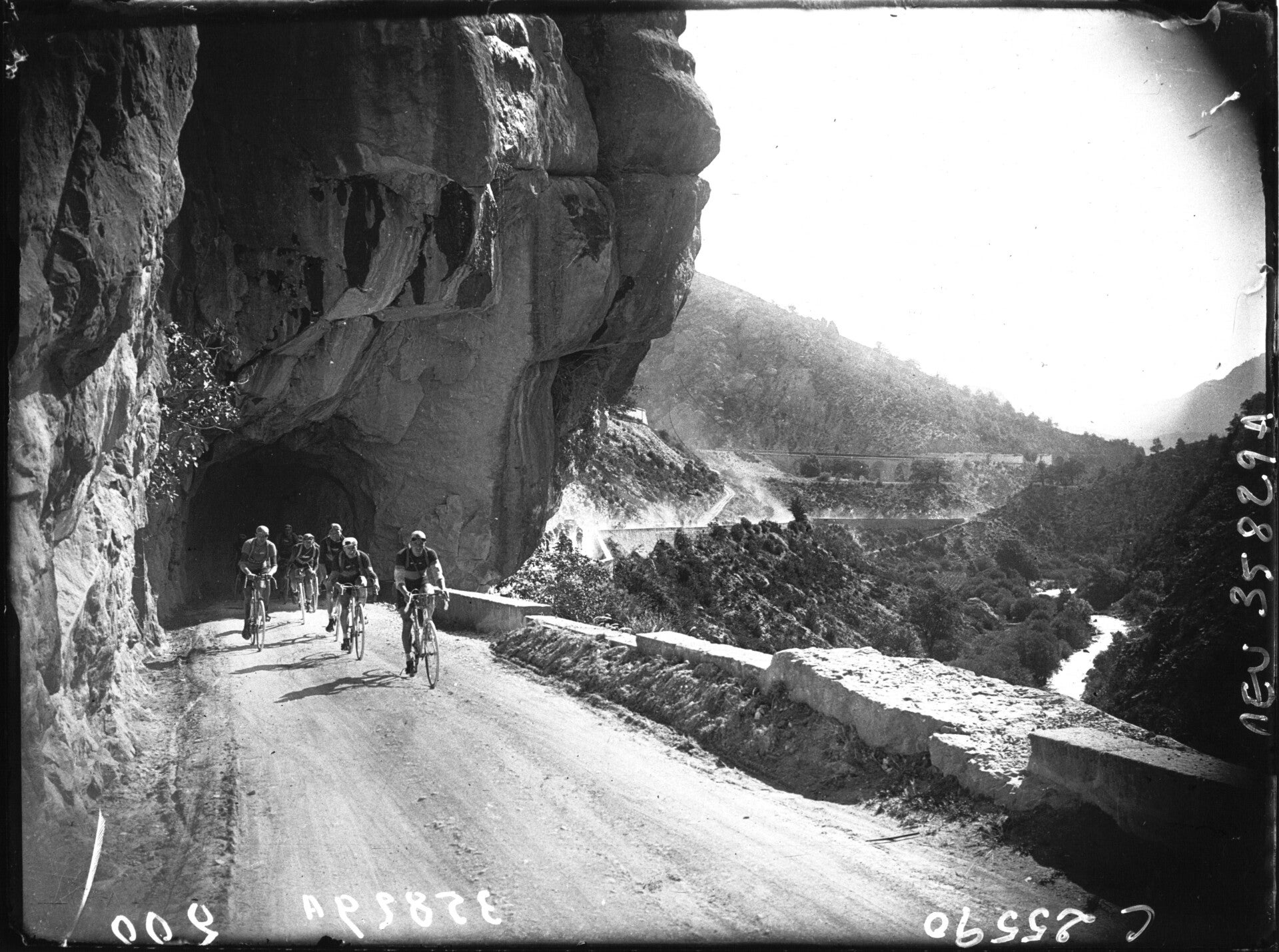
Am Col d’Allos hatten die Reporter eine hervorragende Aussicht, sodass sich von oben das komplette Renngeschehen beobachten ließ. Nachdem sich eine kleine Gruppe abgesetzt hatte, zerfiel bald auch diese und oben überquerte Lucien Buysse im Maillot Jaune als Erster die Passhöhe. 
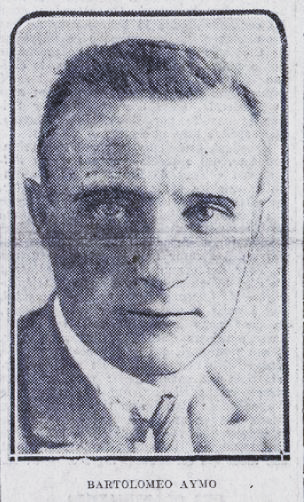
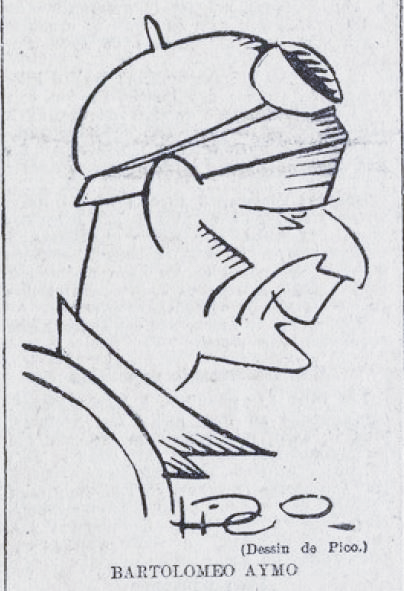
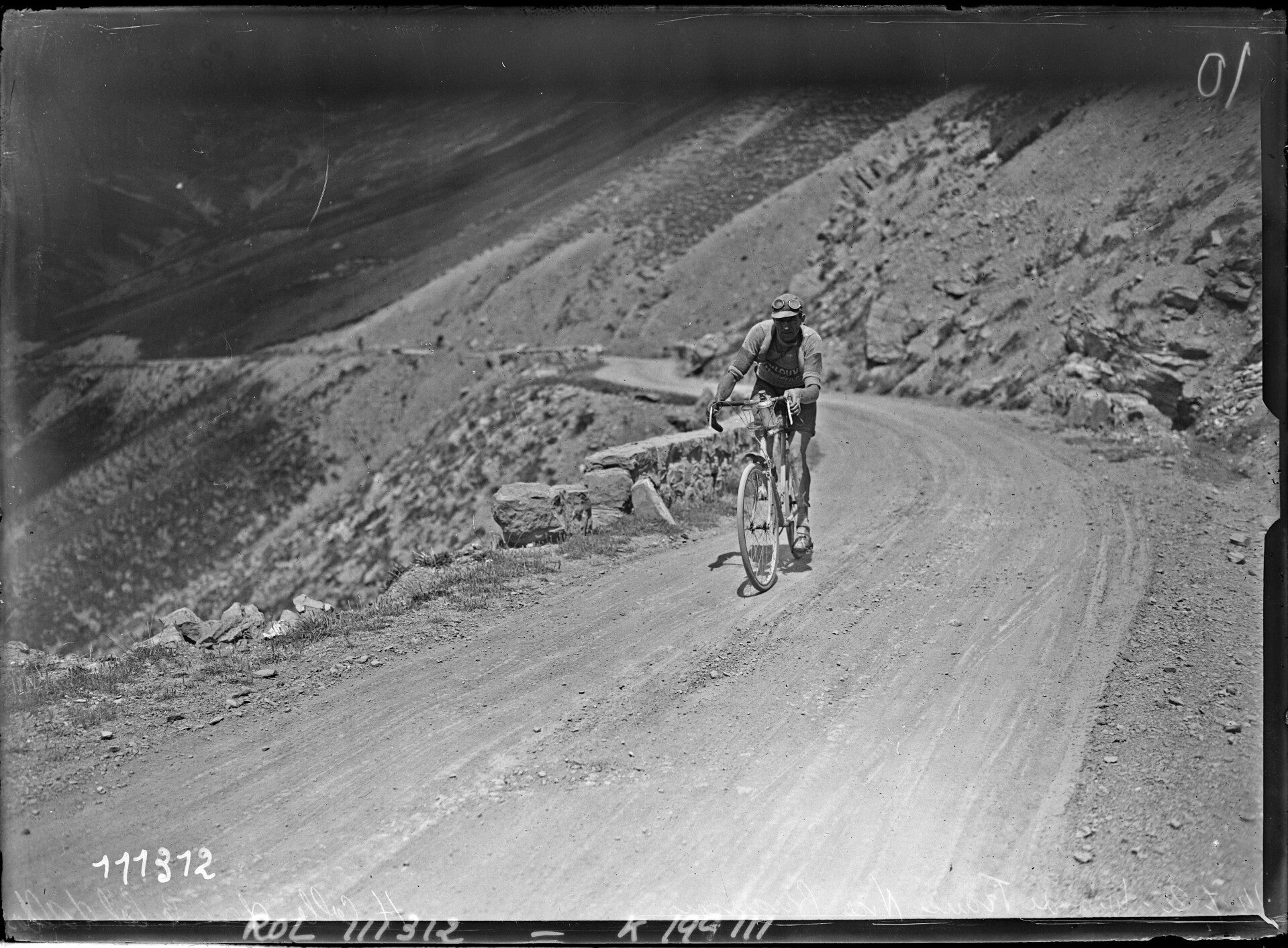
Bartolomeo Aimo überholte alle Anderen auf der Abfahrt und erreichte die Verpflegungskontrolle in Barcelonnette als Erster. Der Italiener baute im Anschluss seinen Vorsprung aus und kam mit über sechs Minuten Abstand auf Buysse am Col de Vars an. Die Schwüle hatte es bereits den ganzen Tag angedeutet, ab dem Col de Vars wurden die Gewitterwolken aber immer bedrohlicher. 
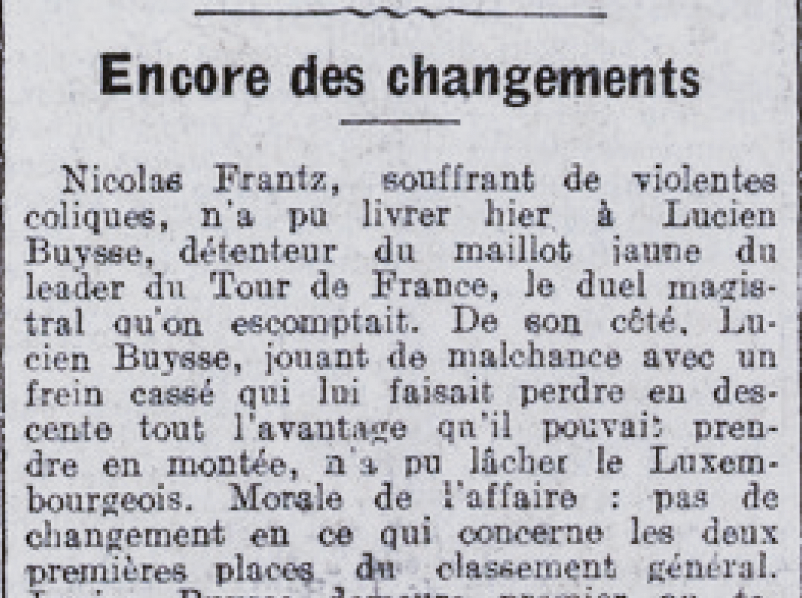
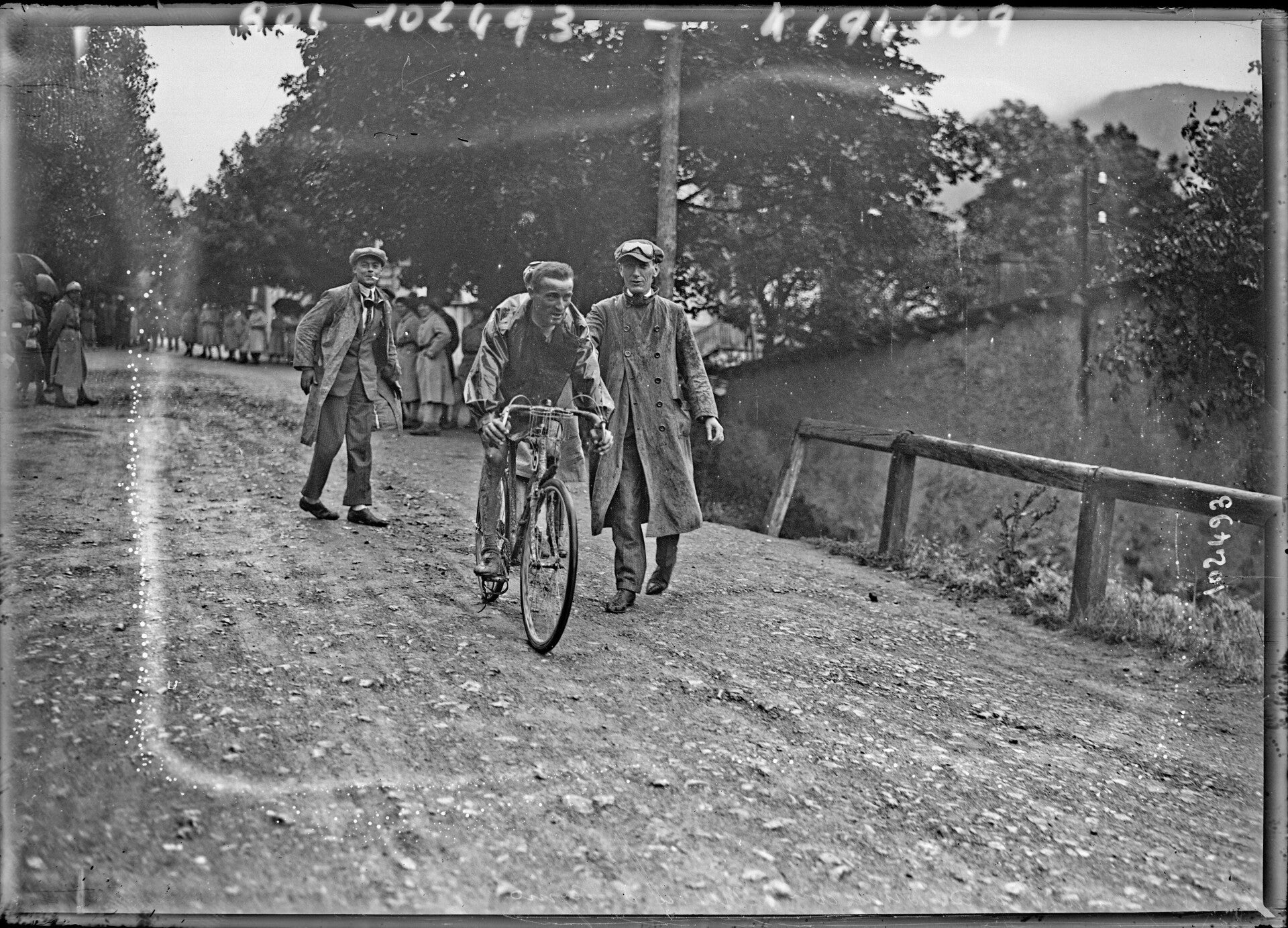
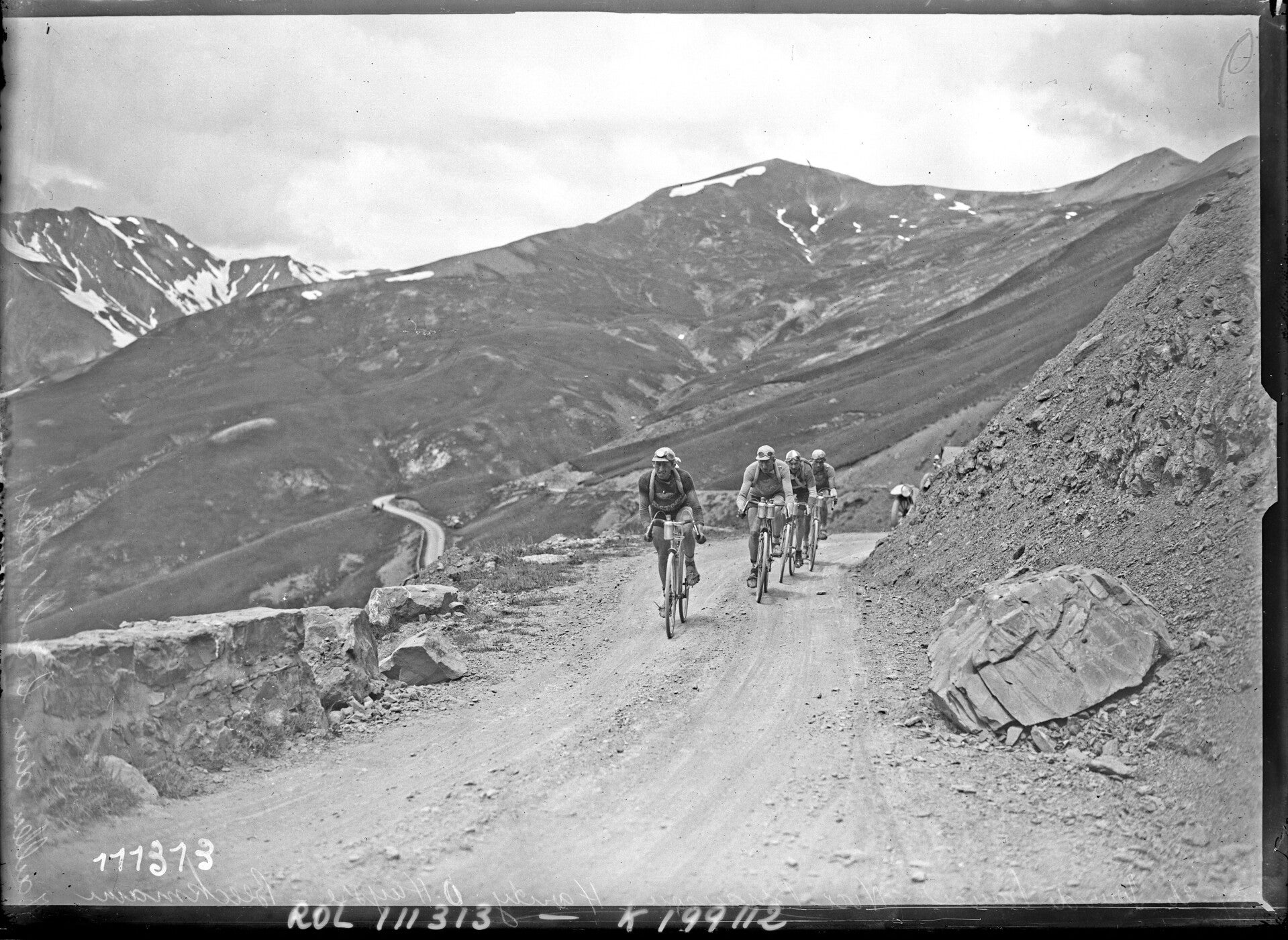
Am Aufstieg zum Col d’Izoard gerieten die Fahrer in Sturm, Regen und sogar Hagel. Oben hatte Aimo fünf Minuten Vorsprung auf Félix Sellier, dahinter folgten die beiden Buysse-Brüder. Lucien Buysse hatte mit einer defekten Bremse zu kämpfen und verlor daher auf den Abfahrten viel Zeit. Sein erster Verfolger Nicolas Frantz litt den ganzen Tag unter Magenkrämpfen und konnte Buysse immerhin auf der letzten Abfahrt nach Briançon noch einholen. Das erwartete epische Duell um den Gesamtsieg hatte so aber nicht stattfinden können. 
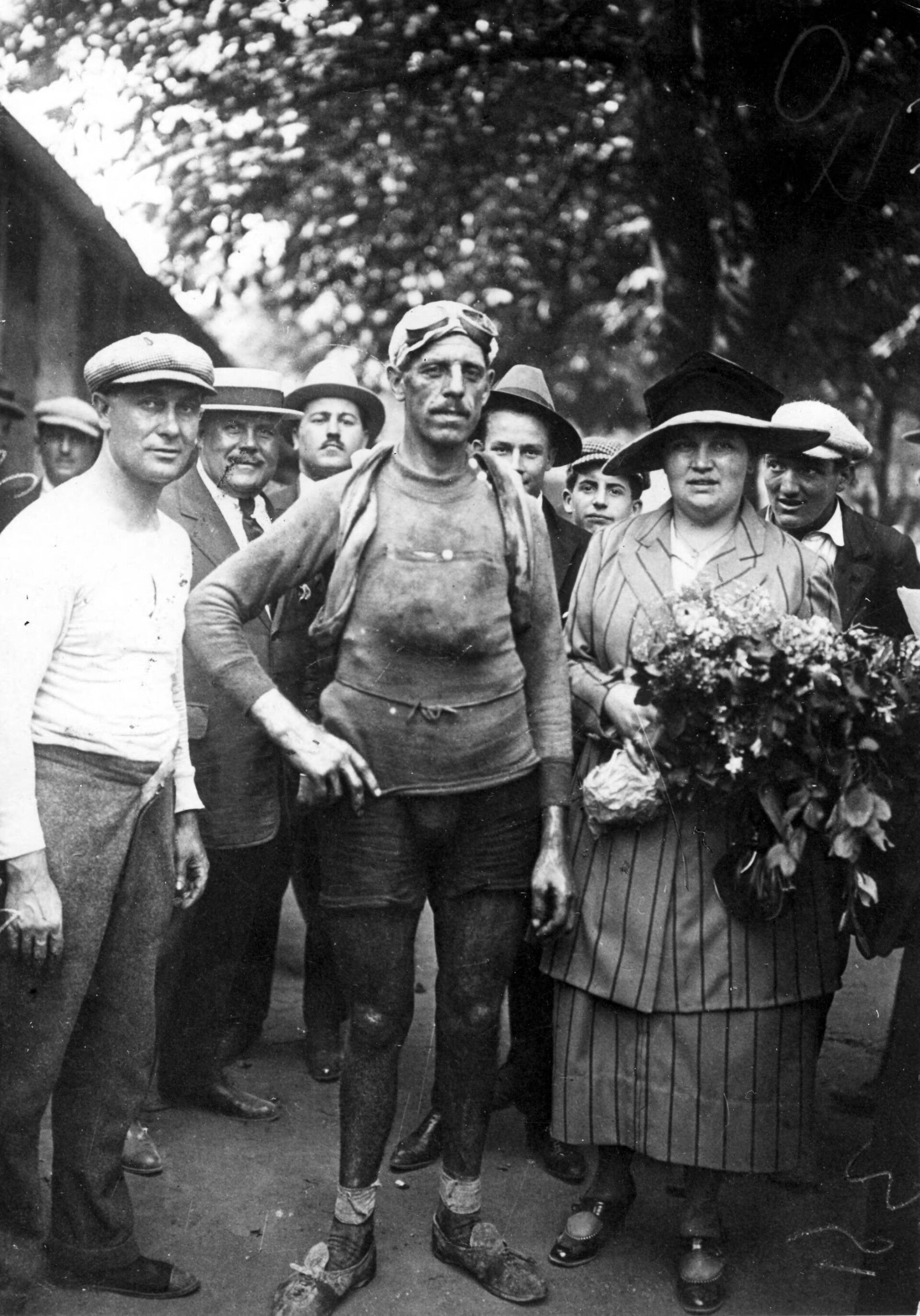
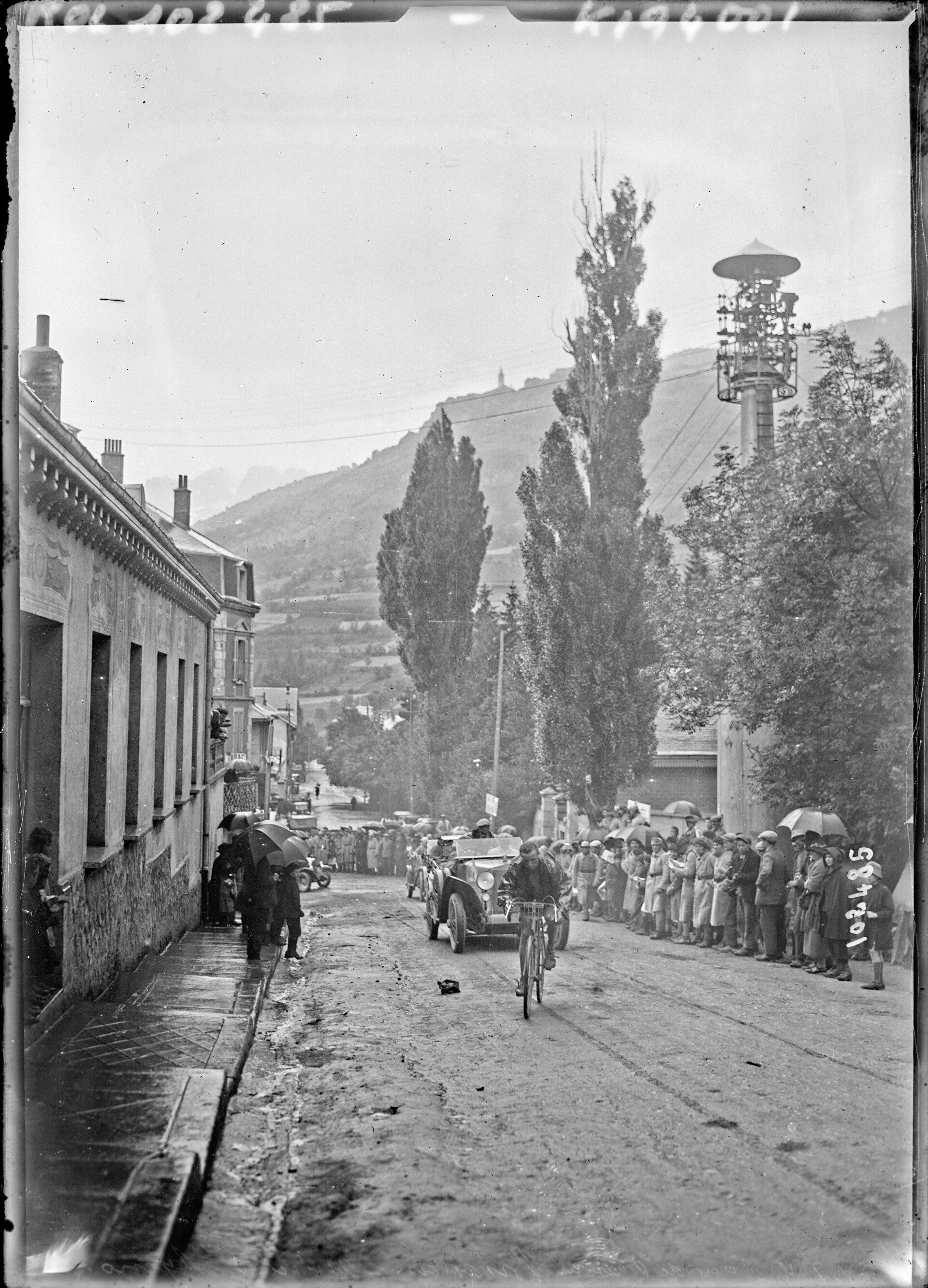
Nach fast 6000 Höhenmetern, großer Hitze, einem furchtbaren Unwetter und am Ende Eiseskälte gewann wie im Vorjahr Bartolomeo Aimo die Etappe nach Briançon. Noch dazu verbesserte er sich in der Gesamtwertung vom siebten auf den dritten Platz. Die beiden Verlierer des Tages waren Georges Cuvelier und Odiel Taillieu, die viel Zeit verloren und ihren dritten bzw. vierten Platz in der Gesamtwertung einbüßten. 
Taillieus Team J.-B. Louvet-Wolber, die zu Beginn der Tour de France so stark aufgetreten waren, wurden noch weiter gebeutelt: Romain Bellenger und Raymond Decorte hatten in Nizza nicht mehr an den Start gehen können. Und zu allem Übel musste Gustave Van Slembroeck, der so lange das Gelbe Trikot getragen hatte, die Tour de France wegen Erschöpfung verlassen.
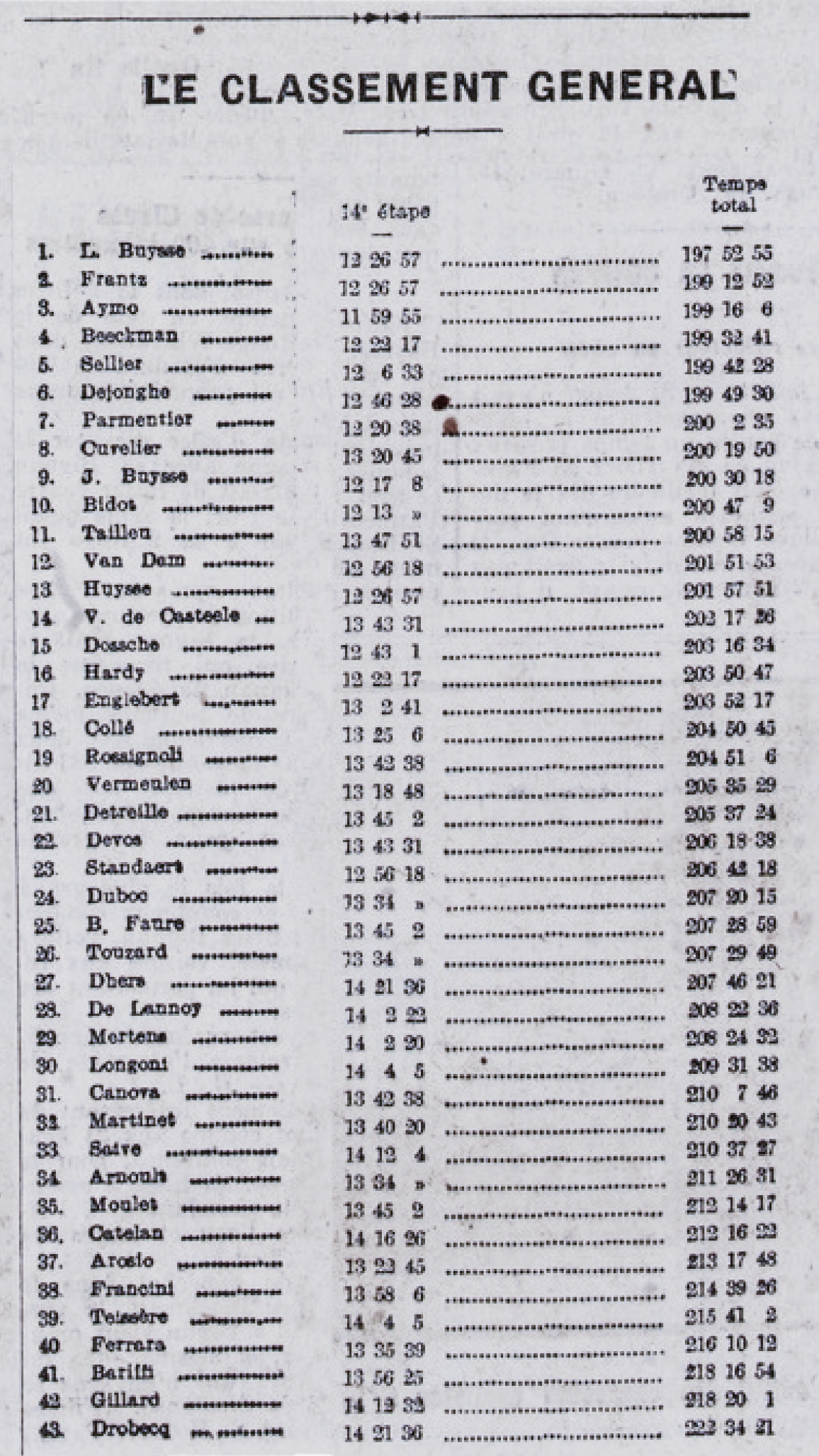
Klicken zum Vergrößern

Etappenergebnis

1. Bartolomeo Aimo (ITA, Alcyon-Dunlop) 11h59‘55“

2. Félix Sellier (BEL, Alcyon-Dunlop) +6‘38“

3. Marcel Bidot (FRA, Thomann-Dunlop) +13‘5“

4. Jules Buysse (BEL, Automoto-Hutchinson) +17‘13“

5. Léon Parmentier (BEL, Jean Louvet-Hutchinson) +20‘43“

6. Emile Hardy (BEL, Christophe-Hutchinson) +22‘22“

7. Théo Beeckman (BEL, Armor-Dunlop) +22‘22“

8. Omer Huysse (BEL, Automoto-Hutchinson) +27‘2“

9. Lucien Buysse (BEL, Automoto-Hutchinson) +27‘2“

10. Nicolas Frantz (LUX, Alcyon-Dunlop) +27‘2“

Gesamtklassement

1. Lucien Buysse (BEL, Automoto-Hutchinson) 197h52‘55“

2. Nicolas Frantz (LUX, Alcyon-Dunlop) +1h19‘57“

3. Bartolomeo Aimo (ITA, Alcyon-Dunlop) +1h23‘11“

4. Théo Beeckman (BEL, Armor-Dunlop) +1h39‘46“

5. Félix Sellier (BEL, Alcyon-Dunlop) +1h49‘33“

6. Albert Dejonghe (BEL, J.-B. Louvet-Wolber) +1h56‘35“

7. Léon Parmentier (BEL, Jean Louvet-Hutchinson) +2h9‘40“

8. Georges Cuvelier (FRA, Météore-Wolber) +2h26‘55“

9. Jules Buysse (BEL, Automoto-Hutchinson) +2h37‘23“

10. Marcel Bidot (FRA, Thomann-Dunlop) +2h54’14“

English

Stage 14: Nice - Briançon

14 July 1926

(275 kilometres, 5324 metres of climbing)

Stage start: Nice

Nice is the largest city on the Côte d’Azur and lies less than 30 km from Italy. The Principality of Monaco is another state situated in the immediate vicinity. Like many other towns in the region, the ancient Greeks were the first to settle here and founded Nice as a colony. Over the centuries, the city has experienced an eventful and turbulent history. Nice has only been part of France since 1860.

Nice will host the next Winter Olympics in 2030. The city has also always been of great importance to cycling. Since 1933, the ‘Race to the Sun’, Paris–Nice, has been the first major stage race of every cycling season. Before the Second World War, Nice was a fixture on the Tour de France route.

After the war, the Tour returned here only eight times:

In 1947, René Vietto wore the Yellow Jersey in his home town. Later, a memorial was erected in his honour, with his urn grave situated very close by at the summit of the Col de Braus.

In 1981, the Tour began in Nice with a prologue, a short stage and a team time trial. Bernard Hinault already lived up to his role as favourite here, laying the foundations for his second overall victory.

In 2013, another team time trial took place, which the Australian team Orica–GreenEdge narrowly won.

In 2020, the year of the coronavirus pandemic, Nice once again hosted the Grand Départ. Alexander Kristoff and Julian Alaphilippe were the winners of the first two stages through the Maritime Alps.

In 2024, the city was accorded a very special honour: due to the Summer Olympics in Paris, the Tour de France ended, for the only time in its history, not in the capital, but in… Nice! The race concluded with an individual time trial between Monaco and the Promenade des Anglais, which Tadej Pogacar won convincingly.

Route: Nice - Briançon

Stage 14 started in Nice on the Promenade des Anglais and initially headed westwards back towards the mouth of the Var. From there, the riders rode 70 kilometres upstream until they left the Var valley and began the climb up to Colle Saint-Michel.

There was not a single metre of flat terrain for the entire stage. After the descent into the Verdon Valley, the riders immediately tackled the next climb to the 2,247-metre-high Col d’Allos. At the end of the next technically demanding descent, the peloton passed through Barcelonnette and headed for the Col de Vars, a Category 1 climb.

Following another descent to Guillestre, the legendary Col d’Izoard was next on the programme. For the third time within 100 kilometres, the riders had to climb to an altitude of over 2,000 metres.

The route then descended to Briançon, where the finish line was located right next to the railway station. After 275 kilometres and almost 6,000 metres of climbing, many a rider must have wished they could hop on a train straight after the finish and head home.

Stage Report

Hello, bonjour and guten Tag for Stage 14!

At 5 a.m. in Nice, 28 team riders and 18 touristes-routiers were still at the start. The race began relatively calmly in the Var Valley, as everyone knew that four major Alpine passes were waiting later in the stage. On the climb to Colle Saint-Michel, the first riders began to struggle to keep up with the pace.

At the Col d’Allos, the reporters had an excellent vantage point and could watch the entire race unfold from above. After a small group had broken away, it too soon fell apart, and Lucien Buysse, wearing the Maillot Jaune, was the first to cross the summit.

Bartolomeo Aimo overtook everyone on the descent and was the first to reach the feeding control in Barcelonnette. The Italian then extended his lead and reached the Col de Vars more than six minutes ahead of Buysse. The oppressive humidity had hinted at it all day, but from the Col de Vars onwards the thunderclouds became increasingly threatening.

On the climb to the Col d’Izoard, the riders were hit by storm, rain and even hail. At the summit, Aimo held a five-minute lead over Félix Sellier, followed by the two Buysse brothers. Lucien Buysse was struggling with a faulty brake and therefore lost a great deal of time on the descents. His closest rival, Nicolas Frantz, suffered from stomach cramps throughout the day but at least managed to catch Buysse on the final descent to Briançon.

The much-anticipated epic duel for the overall victory had therefore failed to materialise.

After almost 6,000 metres of climbing, intense heat, a terrible storm and, finally, freezing cold, Bartolomeo Aimo won the stage to Briançon, just as he had the previous year. He also moved from seventh to third place in the general classification. The two big losers of the day were Georges Cuvelier and Odiel Taillieu, who lost a great deal of time and dropped from third and fourth place respectively in the overall standings.

Taillieu’s J.-B. Louvet-Wolber team, which had started the Tour de France so strongly, suffered further setbacks: Romain Bellenger and Raymond Decorte had already been unable to start in Nice. To make matters worse, Gustave Van Slembroeck, who had worn the Yellow Jersey for so long, was forced to abandon the Tour de France due to exhaustion.

Stage result

1. Bartolomeo Aimo (ITA, Alcyon-Dunlop) 11h59‘55“

2. Félix Sellier (BEL, Alcyon-Dunlop) +6‘38“

3. Marcel Bidot (FRA, Thomann-Dunlop) +13‘5“

4. Jules Buysse (BEL, Automoto-Hutchinson) +17‘13“

5. Léon Parmentier (BEL, Jean Louvet-Hutchinson) +20‘43“

6. Emile Hardy (BEL, Christophe-Hutchinson) +22‘22“

7. Théo Beeckman (BEL, Armor-Dunlop) +22‘22“

8. Omer Huysse (BEL, Automoto-Hutchinson) +27‘2“

9. Lucien Buysse (BEL, Automoto-Hutchinson) +27‘2“

10. Nicolas Frantz (LUX, Alcyon-Dunlop) +27‘2“

Overall standings

1. Lucien Buysse (BEL, Automoto-Hutchinson) 197h52‘55“

2. Nicolas Frantz (LUX, Alcyon-Dunlop) +1h19‘57“

3. Bartolomeo Aimo (ITA, Alcyon-Dunlop) +1h23‘11“

4. Théo Beeckman (BEL, Armor-Dunlop) +1h39‘46“

5. Félix Sellier (BEL, Alcyon-Dunlop) +1h49‘33“

6. Albert Dejonghe (BEL, J.-B. Louvet-Wolber) +1h56‘35“

7. Léon Parmentier (BEL, Jean Louvet-Hutchinson) +2h9‘40“

8. Georges Cuvelier (FRA, Météore-Wolber) +2h26‘55“

9. Jules Buysse (BEL, Automoto-Hutchinson) +2h37‘23“

10. Marcel Bidot (FRA, Thomann-Dunlop) +2h54’14“

Français

Étape 14: Nice - Briançon

14 juillet 1926 

(275 kilomètres, 5324 mètres de dénivelé)

Ville d'étape : Nice

Nice est la plus grande ville de la Côte d’Azur et se trouve à moins de 30 km de l’Italie. La Principauté de Monaco constitue un autre État situé à proximité immédiate. Comme dans de nombreuses villes de la région, ce sont les Grecs de l’Antiquité qui s’y sont installés les premiers et ont fondé Nice en tant que colonie. Au fil des siècles, la ville a connu une histoire mouvementée et riche en rebondissements. Nice ne fait partie de la France que depuis 1860.

Nice accueillera les prochains Jeux olympiques d’hiver en 2030. La ville a également toujours joué un rôle important dans le cyclisme. Depuis 1933, Paris–Nice, la « Course au Soleil », constitue la première grande course par étapes de chaque saison cycliste. Avant la Seconde Guerre mondiale, Nice faisait partie des étapes régulières du Tour de France.

Après la guerre, le Tour n’y est revenu que huit fois :

En 1947, René Vietto porta le maillot jaune dans sa région natale. Un monument funéraire abritant son urne fut ensuite érigé à proximité, au sommet du col de Braus.

En 1981, le Tour débuta à Nice avec un prologue, une étape courte et un contre-la-montre par équipes. Bernard Hinault confirma immédiatement son statut de favori et posa les bases de sa deuxième victoire au classement général.

En 2013, un nouveau contre-la-montre par équipes eut lieu, remporté de justesse par l’équipe australienne Orica–GreenEdge.

En 2020, année marquée par la pandémie de coronavirus, Nice accueillit une nouvelle fois le Grand Départ. Alexander Kristoff et Julian Alaphilippe remportèrent les deux premières étapes à travers les Alpes-Maritimes.

En 2024, la ville reçut un honneur tout particulier : en raison des Jeux olympiques d’été organisés à Paris, le Tour de France ne s’acheva, pour la seule fois de son histoire, pas dans la capitale mais à… Nice ! La course se termina par un contre-la-montre individuel entre Monaco et la Promenade des Anglais, remporté avec autorité par Tadej Pogačar.

Parcours : Nice - Briançon

La 14e étape a débuté à Nice, sur la Promenade des Anglais, et s’est d’abord dirigée vers l’ouest pour revenir à l’embouchure du Var. De là, les coureurs ont longé le cours du fleuve sur 70 kilomètres, avant de quitter la vallée du Var et d’entamer l’ascension vers le Colle Saint-Michel.

Il n’y avait plus un seul mètre de terrain plat sur toute l’étape. Après la descente vers la vallée du Verdon, les coureurs ont immédiatement enchaîné avec la prochaine ascension vers le col d’Allos, à 2 247 mètres d’altitude. À l’issue de la descente suivante, techniquement exigeante, le peloton a traversé Barcelonnette et s’est dirigé vers le col de Vars, un col de la plus haute catégorie.

Après une nouvelle descente vers Guillestre, le légendaire col d’Izoard était au programme. Pour la troisième fois en l’espace de 100 kilomètres, les coureurs ont dû gravir un col à plus de 2 000 mètres d’altitude.

Ils ont ensuite descendu vers Briançon, où l’arrivée se trouvait à proximité immédiate de la gare. Après 275 kilomètres et près de 6 000 mètres de dénivelé, certains coureurs ont sans doute rêvé de pouvoir monter dans le train dès l’arrivée pour rentrer chez eux.

Rapport d'étape

Hello, bonjour et guten Tag pour la 14e étape !

À 5 heures du matin, à Nice, 28 coureurs d’équipe et 18 touristes-routiers étaient encore au départ. La course débuta assez calmement dans la vallée du Var, chacun sachant que quatre grands cols alpins attendaient les coureurs plus tard dans la journée. Dans l’ascension vers Colle Saint-Michel, les premiers commencèrent à avoir du mal à suivre le rythme.

Au col d’Allos, les journalistes disposaient d’un excellent point de vue et pouvaient observer l’ensemble de la course depuis les hauteurs. Un petit groupe se détacha, mais celui-ci se disloqua bientôt à son tour. Au sommet, Lucien Buysse, vêtu du maillot jaune, passa en tête.

Bartolomeo Aimo dépassa tous les autres dans la descente et fut le premier à atteindre le contrôle de ravitaillement de Barcelonnette. L’Italien accentua ensuite son avance et arriva au col de Vars avec plus de six minutes d’avance sur Buysse. L’atmosphère lourde l’avait laissé présager toute la journée, mais à partir du col de Vars, les nuages d’orage devinrent de plus en plus menaçants.

Dans l’ascension du col d’Izoard, les coureurs furent pris dans la tempête, sous la pluie et même la grêle. Au sommet, Aimo possédait cinq minutes d’avance sur Félix Sellier, suivi des deux frères Buysse. Lucien Buysse devait composer avec un frein défectueux et perdit ainsi beaucoup de temps dans les descentes. Son premier poursuivant au classement général, Nicolas Frantz, souffrit toute la journée de crampes d’estomac, mais parvint tout de même à rejoindre Buysse dans la dernière descente vers Briançon.

Le duel épique attendu pour la victoire finale n’avait donc pas pu avoir lieu.

Après près de 6 000 mètres de dénivelé, une chaleur intense, un terrible orage et, pour finir, un froid glacial, Bartolomeo Aimo remporta l’étape de Briançon, comme l’année précédente. Il passa également de la septième à la troisième place du classement général. Les deux grands perdants de la journée furent Georges Cuvelier et Odiel Taillieu, qui perdirent beaucoup de temps et abandonnèrent respectivement leur troisième et leur quatrième place au classement général.

L’équipe J.-B. Louvet-Wolber de Taillieu, qui avait pourtant réalisé un excellent début de Tour de France, fut encore davantage éprouvée : Romain Bellenger et Raymond Decorte n’avaient déjà pas pu prendre le départ à Nice. Et pour couronner le tout, Gustave Van Slembroeck, qui avait porté si longtemps le maillot jaune, dut abandonner le Tour de France, épuisé.

Résultat de l'étape

1. Bartolomeo Aimo (ITA, Alcyon-Dunlop) 11h59‘55“

2. Félix Sellier (BEL, Alcyon-Dunlop) +6‘38“

3. Marcel Bidot (FRA, Thomann-Dunlop) +13‘5“

4. Jules Buysse (BEL, Automoto-Hutchinson) +17‘13“

5. Léon Parmentier (BEL, Jean Louvet-Hutchinson) +20‘43“

6. Emile Hardy (BEL, Christophe-Hutchinson) +22‘22“

7. Théo Beeckman (BEL, Armor-Dunlop) +22‘22“

8. Omer Huysse (BEL, Automoto-Hutchinson) +27‘2“

9. Lucien Buysse (BEL, Automoto-Hutchinson) +27‘2“

10. Nicolas Frantz (LUX, Alcyon-Dunlop) +27‘2“

Classement général

1. Lucien Buysse (BEL, Automoto-Hutchinson) 197h52‘55“

2. Nicolas Frantz (LUX, Alcyon-Dunlop) +1h19‘57“

3. Bartolomeo Aimo (ITA, Alcyon-Dunlop) +1h23‘11“

4. Théo Beeckman (BEL, Armor-Dunlop) +1h39‘46“

5. Félix Sellier (BEL, Alcyon-Dunlop) +1h49‘33“

6. Albert Dejonghe (BEL, J.-B. Louvet-Wolber) +1h56‘35“

7. Léon Parmentier (BEL, Jean Louvet-Hutchinson) +2h9‘40“

8. Georges Cuvelier (FRA, Météore-Wolber) +2h26‘55“

9. Jules Buysse (BEL, Automoto-Hutchinson) +2h37‘23“

10. Marcel Bidot (FRA, Thomann-Dunlop) +2h54’14“