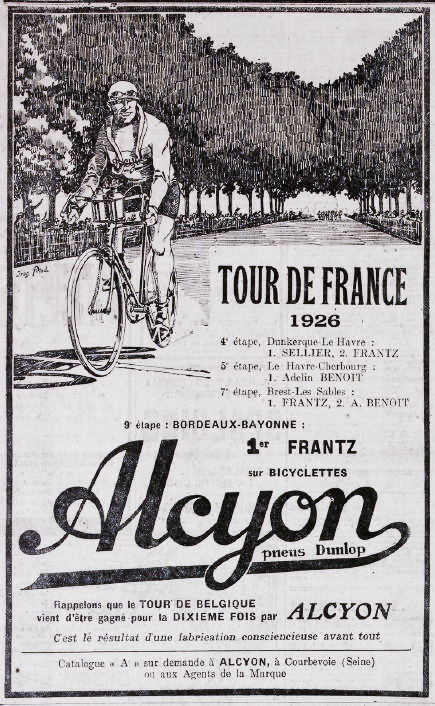
Etappe 9: Bordeaux - Bayonne

5. Juli 1926: Bordeaux - Bayonne (189  Kilometer, 339 Höhenmeter)

Scroll down for the English version | Défilez vers le bas pour la version française
Etappenort: Bordeaux

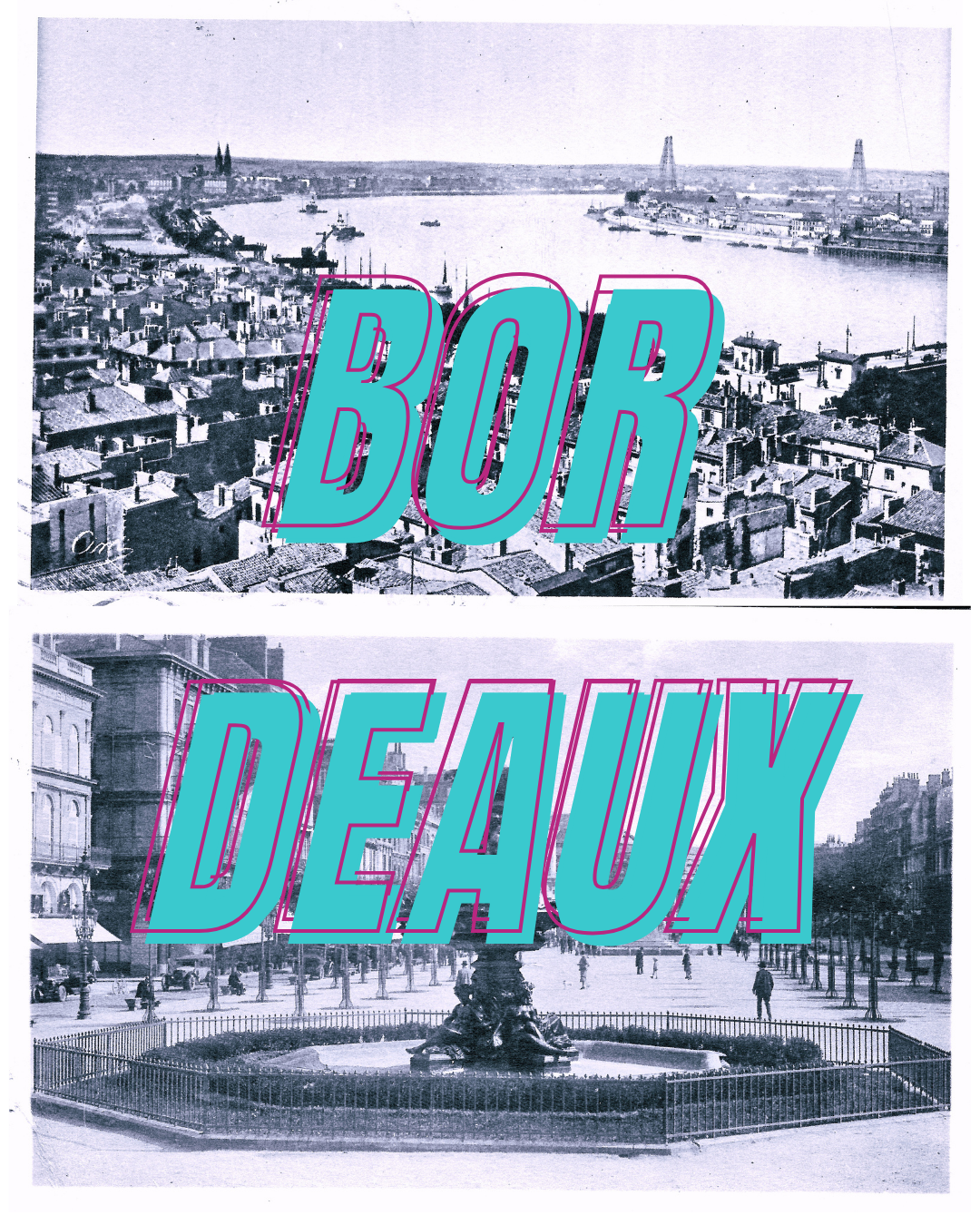
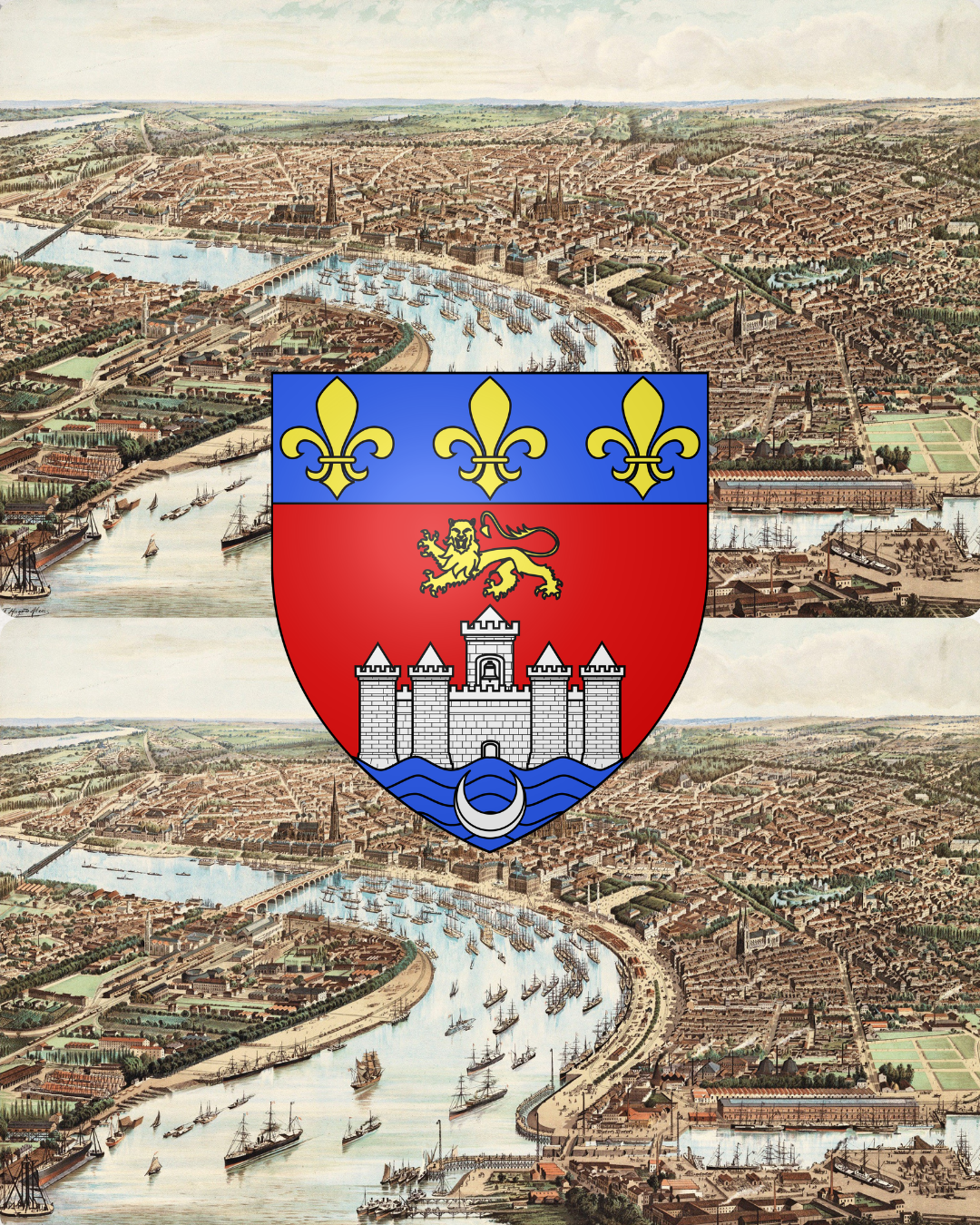
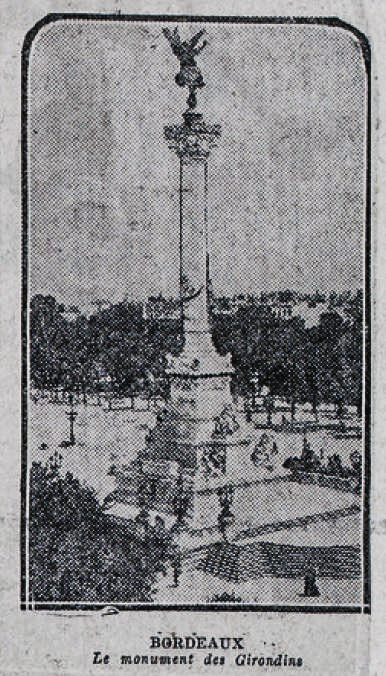
Bordeaux ist nicht nur die größte Stadt im Südwesten Frankreichs, sondern auch politisch, wirtschaftlich und kulturell die wichtigste Stadt in der Region. Im Jahr 1926 hatte Bordeaux bereits über eine Viertelmillion Einwohner. Nicht umsonst wird die Metropole seit jeher als zweite Hauptstadt Frankreichs bezeichnet. Weltberühmt ist die Stadt an der Garonne nicht zuletzt dank seiner Küche und des Weins, der zum Symbol für Frankreichs kulinarische Genüsse geworden ist.

Eine ganz besondere Bedeutung hat Bordeaux auch für die Tour de France. Die Stadt war 57 Mal Startort und 80 Mal Zielort einer Etappe. Man darf sich damit rühmen, nach Paris am häufigsten Etappenort gewesen zu sein.

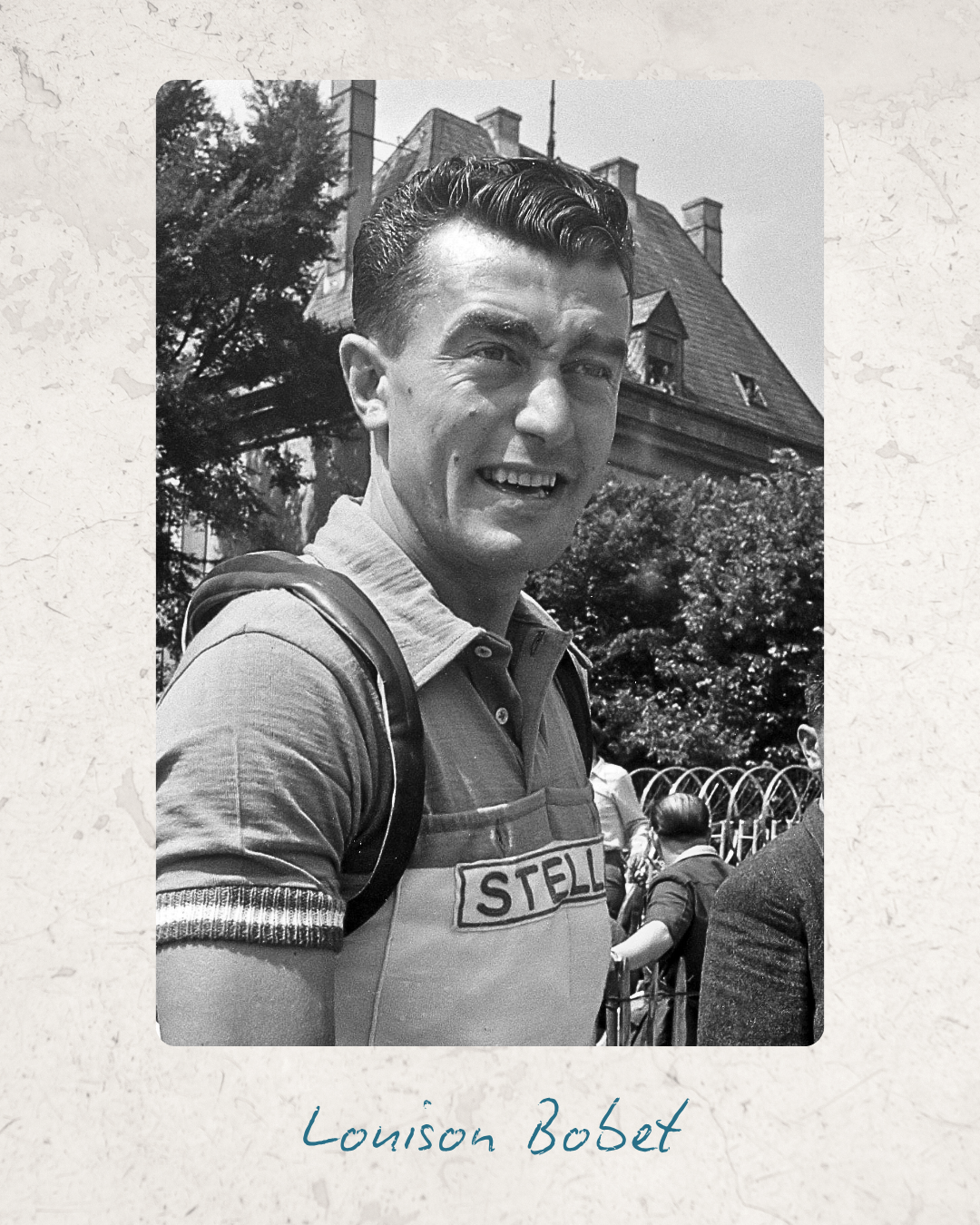
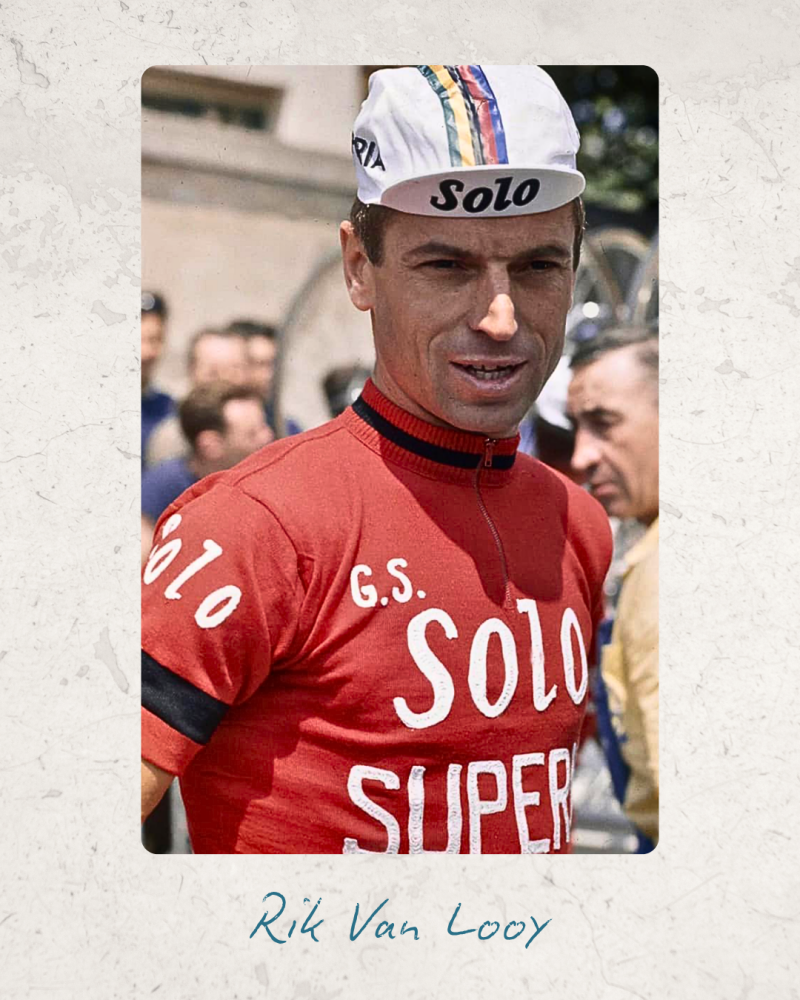
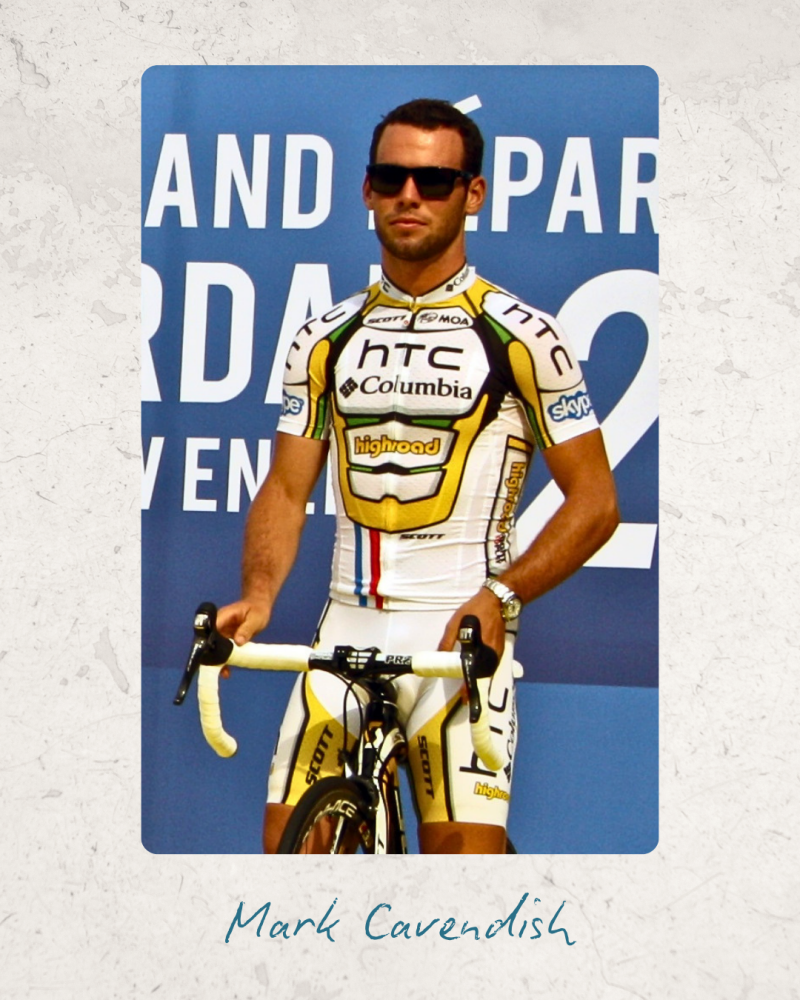
Die Siegerliste der Etappe nach Bordeaux liest sich wie ein Who-is-who des Radsports: Louison Bobet und Rik Van Looy rissen hier jubelnd die Arme in die Luft genauso wie Eddy Merckx, Erik Zabel und Mark Cavendish.

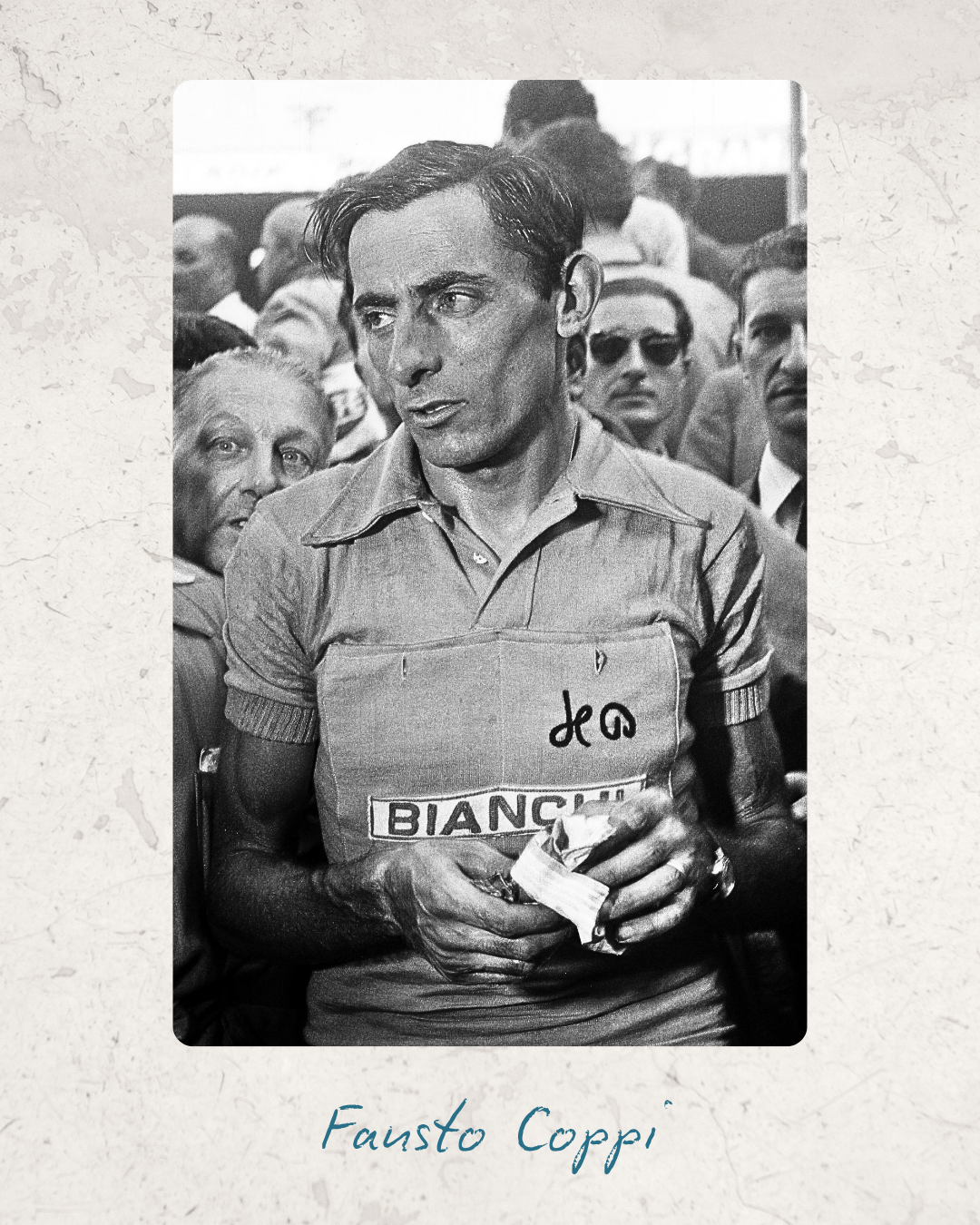
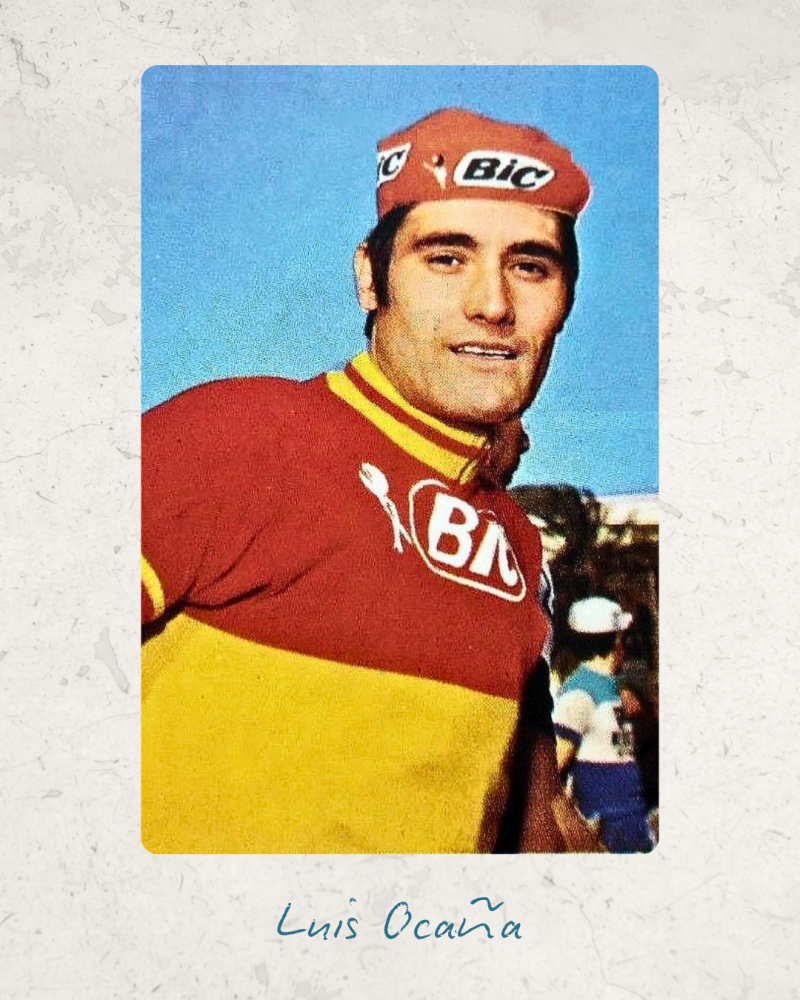
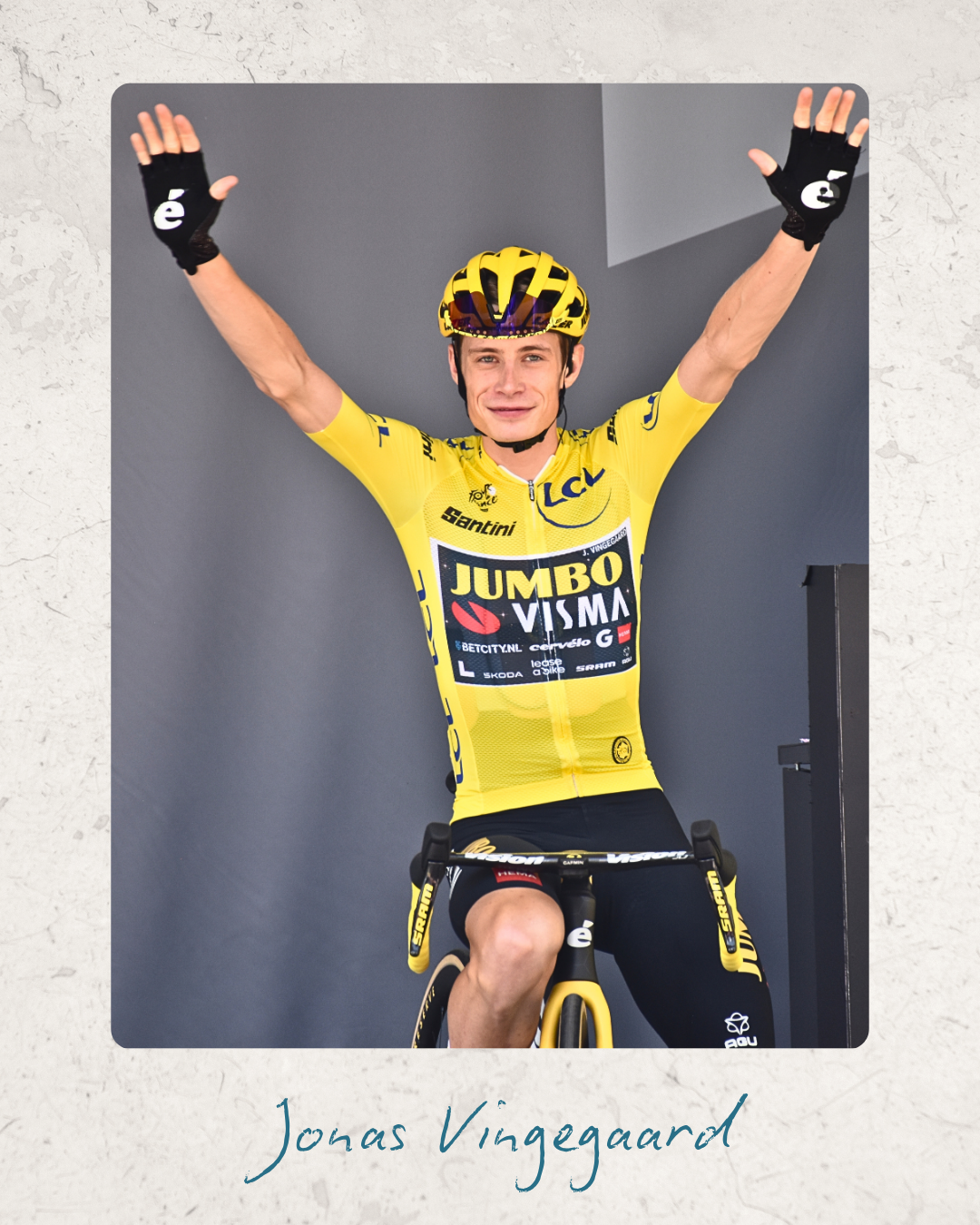
Besonders häufig wurden die Etappen im Massensprint entschieden, sodass Bordeaux auch den Beinamen „Stadt der Sprinter“ bekommen hat. Und wen hat man in Bordeaux nicht alles in Gelb gesehen? Fausto Coppi, Jacques Anquetil, Rudi Altig, Luis Ocaña, Didi Thurau, Bernard Hinault, Miguel Indurain und zuletzt im Jahr 2023 Jonas Vingegaard.

🐭 Und noch etwas für die Kultur-Mäuse unter uns:

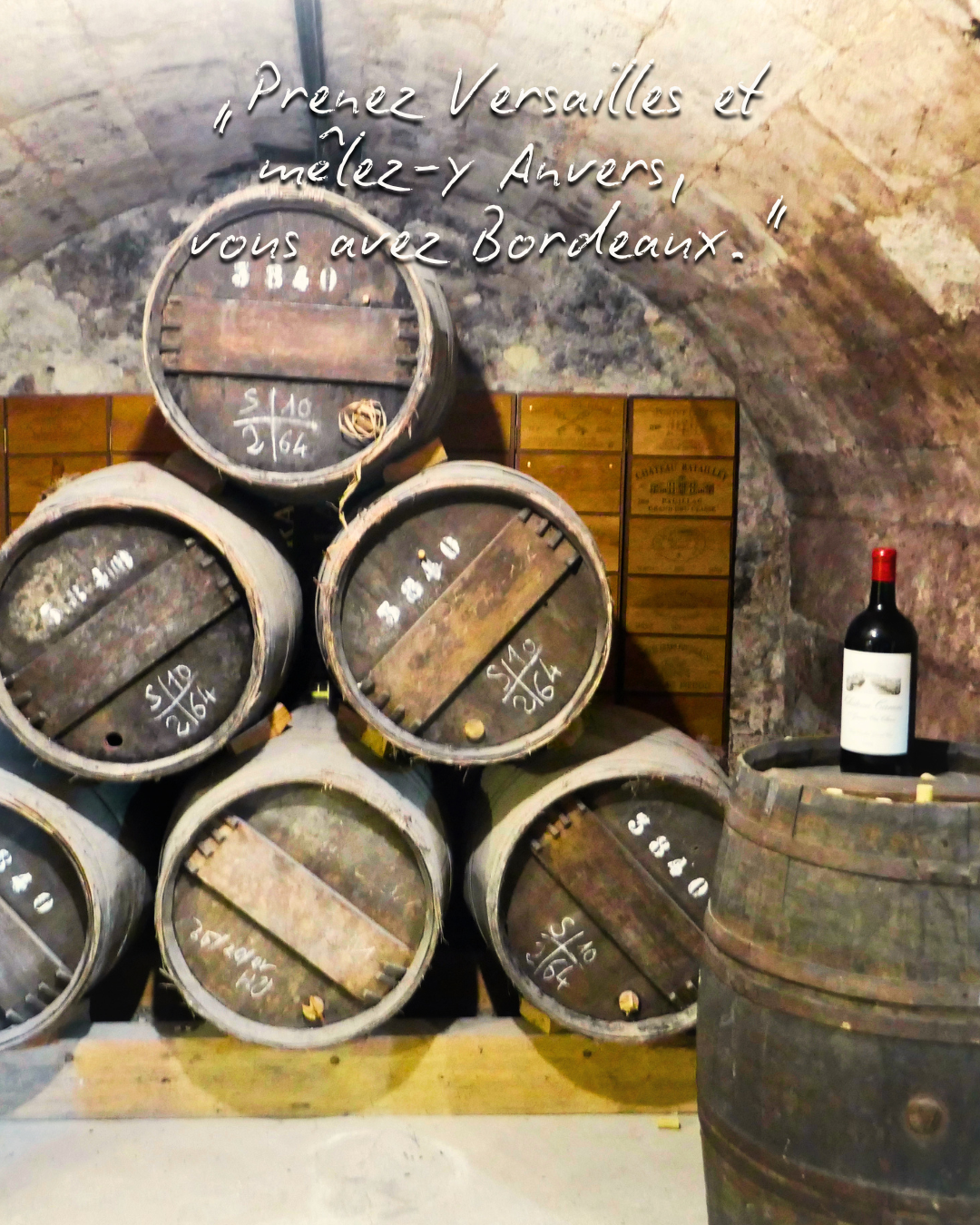
Natürlich geht es bei dem Zitat „Nehmen Sie Versailles und mischen Sie Antwerpen darunter, dann haben Sie Bordeaux.“ nicht um den edlen Tropfen, sondern um die wunderschöne Architektur der Stadt! Aber von welchem berühmten französischen Dichter stammt dieses Zitat…?

Klicken zum Vergrößern

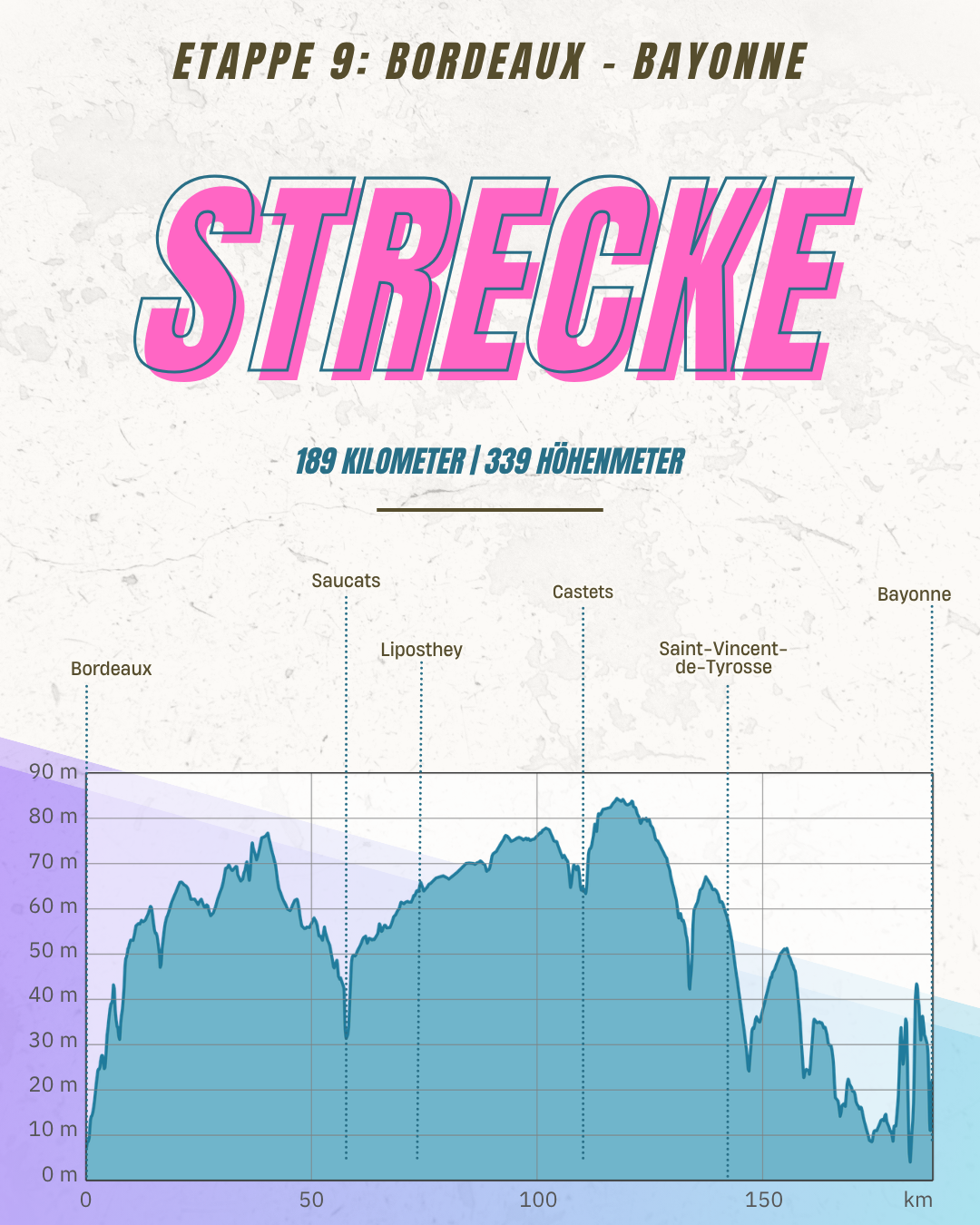
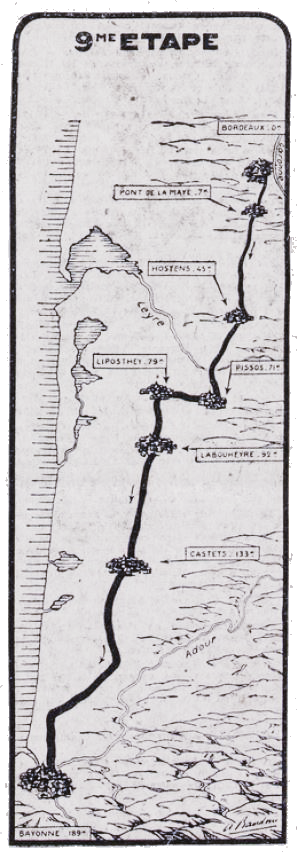
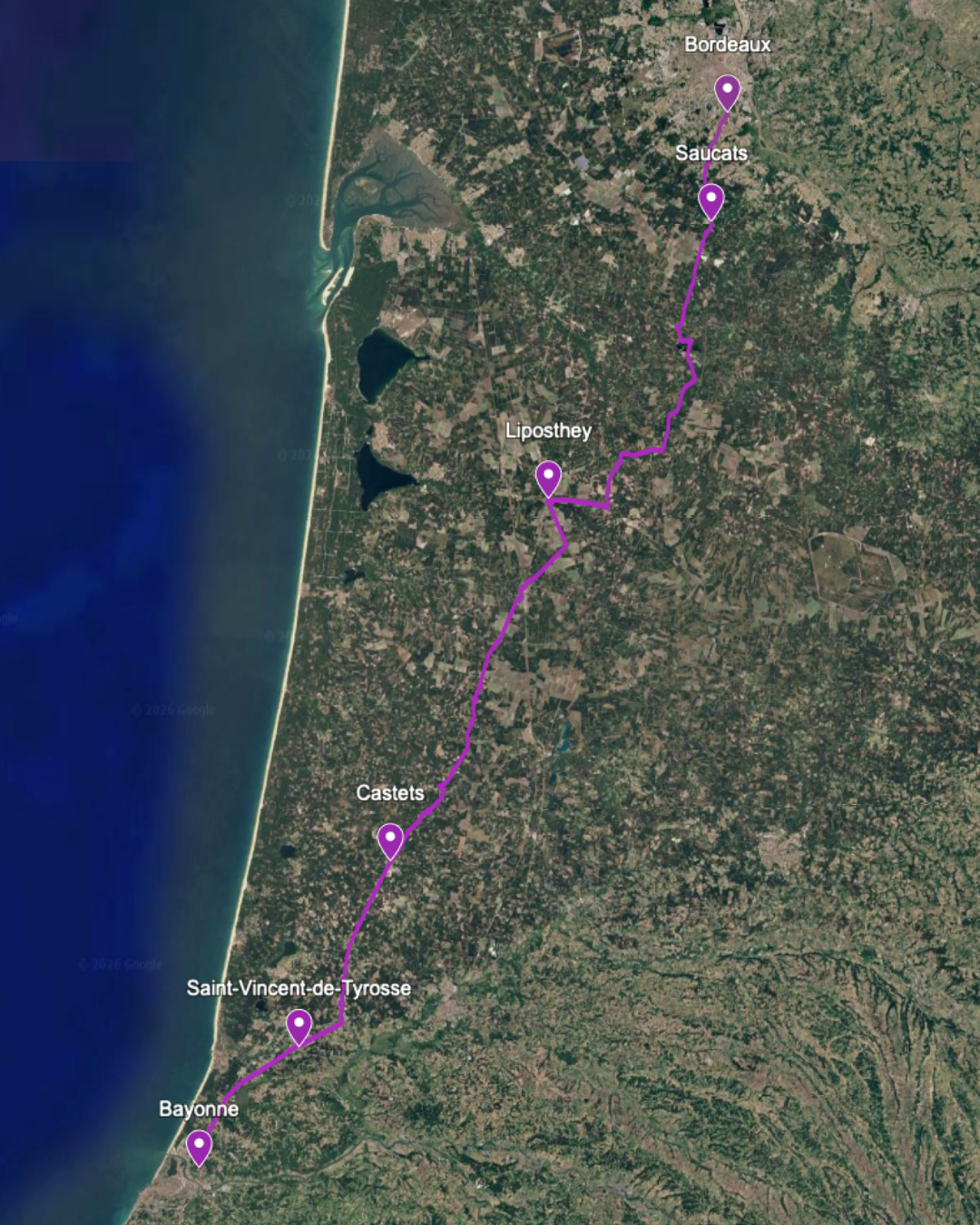
Strecke: Bordeaux - Bayonne

Die 9. Etappe war die kürzeste und flachste Etappe der Tour de France 1926. Dies dürfte den Fahrern aber entgegengekommen sein, mussten sie doch am dritten Tag in Folge aufs Rad. Zudem stand die schwere Pyrenäenetappe unmittelbar bevor.

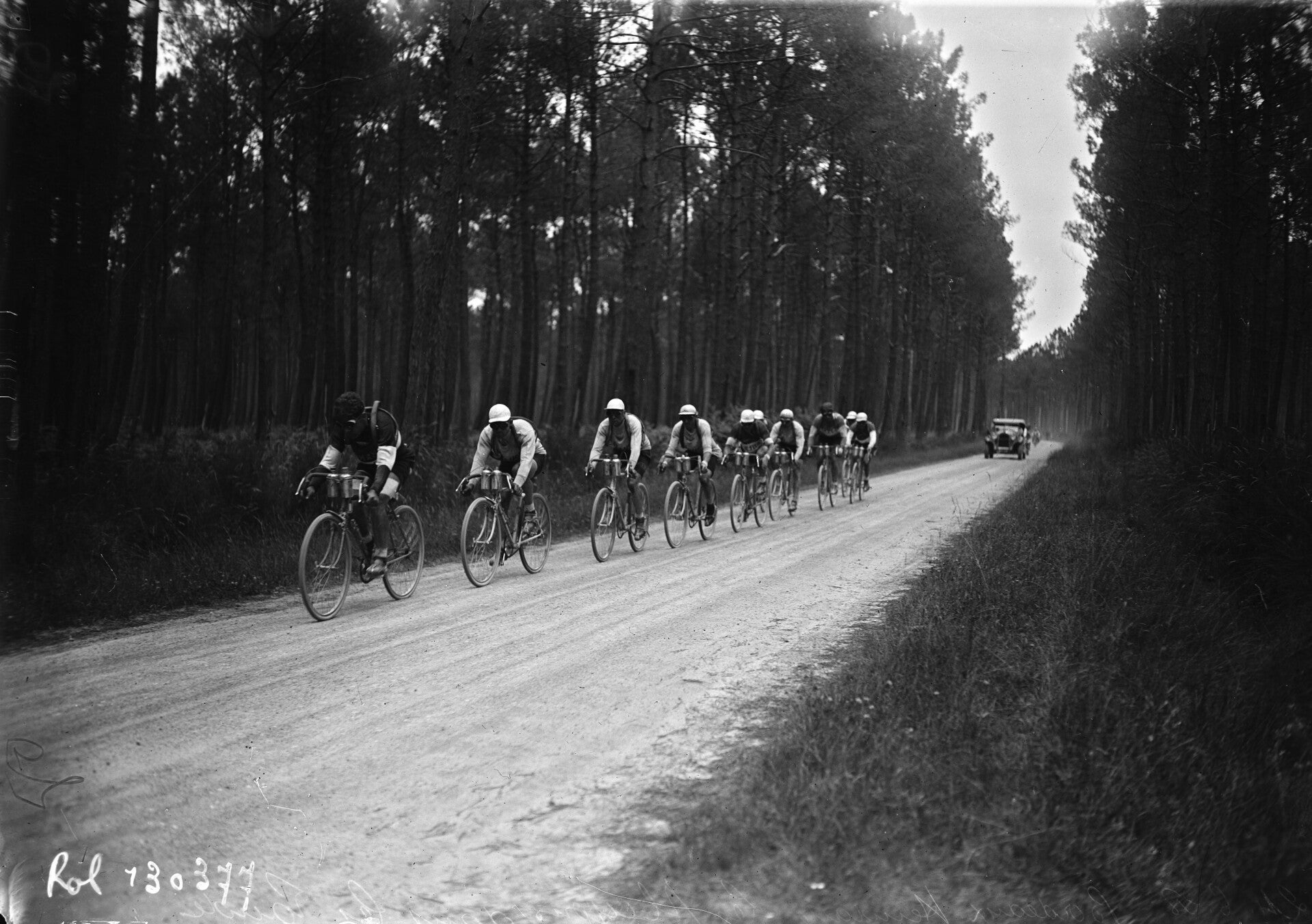
Nach dem Start am südlichen Stadtrand von Bordeaux ging es für die Fahrer weiter in Richtung Süden. Typisch für das Département Landes sind die langen Geraden durch das Flachland. Zumindest konnten die Fahrer auf etwas Schatten hoffen, da die Gegend sehr waldreich war.

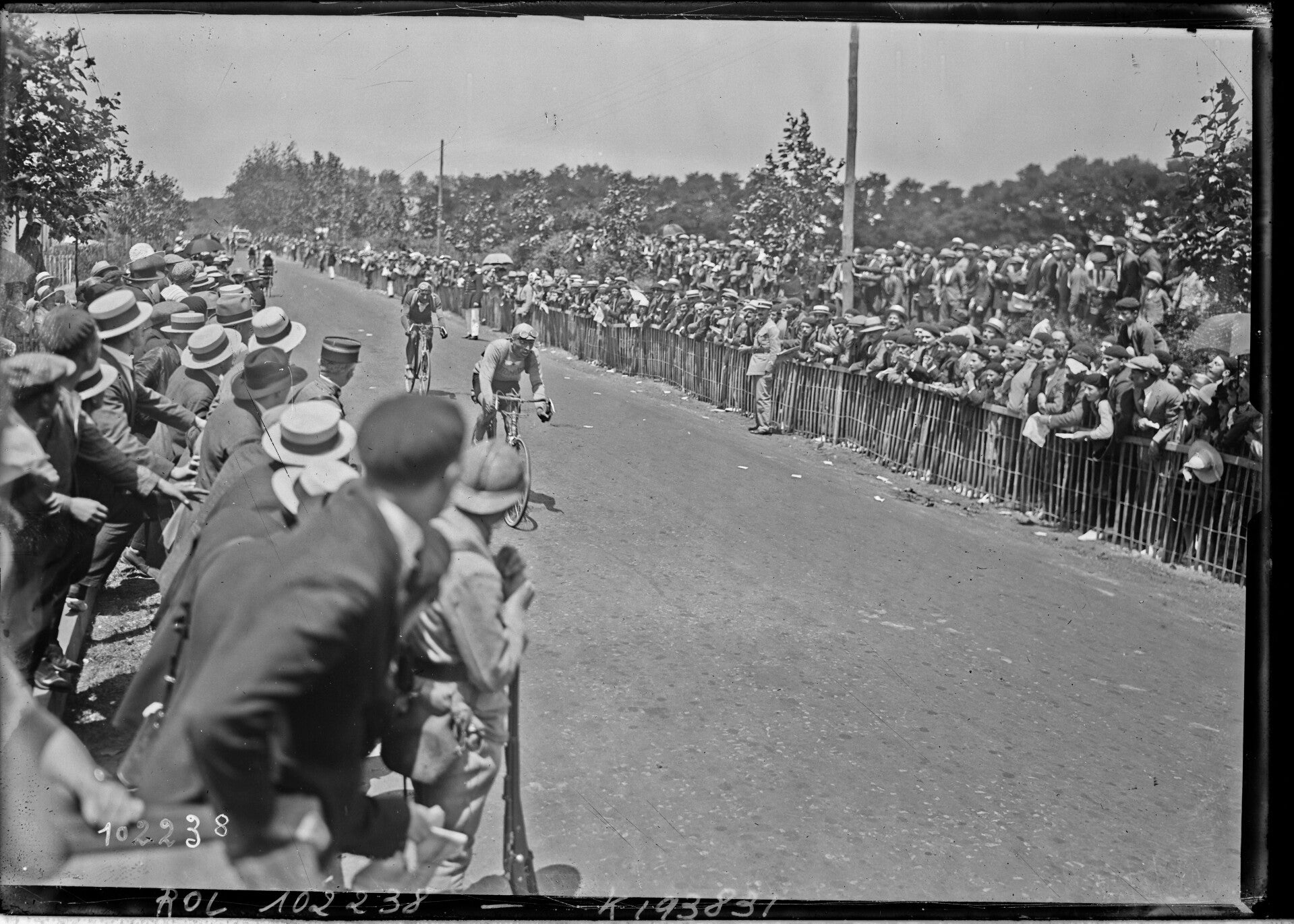
Auf den letzten Kilometern musste das Peloton aber doch noch drei Wellen erklimmen. Auch das Ziel lag kurz vor Bayonne an der Kuppe eines kleinen Hügels, dem Plateau de Saint-Étienne, sodass die Fahrer nach 189 km lange flacher Anfahrt doch noch zu einem Sprint bergauf gezwungen waren.

Klicken zum Vergrößern

Hier findet Ihr die Strecke bei Komoot und Google Maps zum Nachfahren oder näher anschauen:

Etappenbericht

Hello, bonjour und guten Tag zur 9. Etappe!

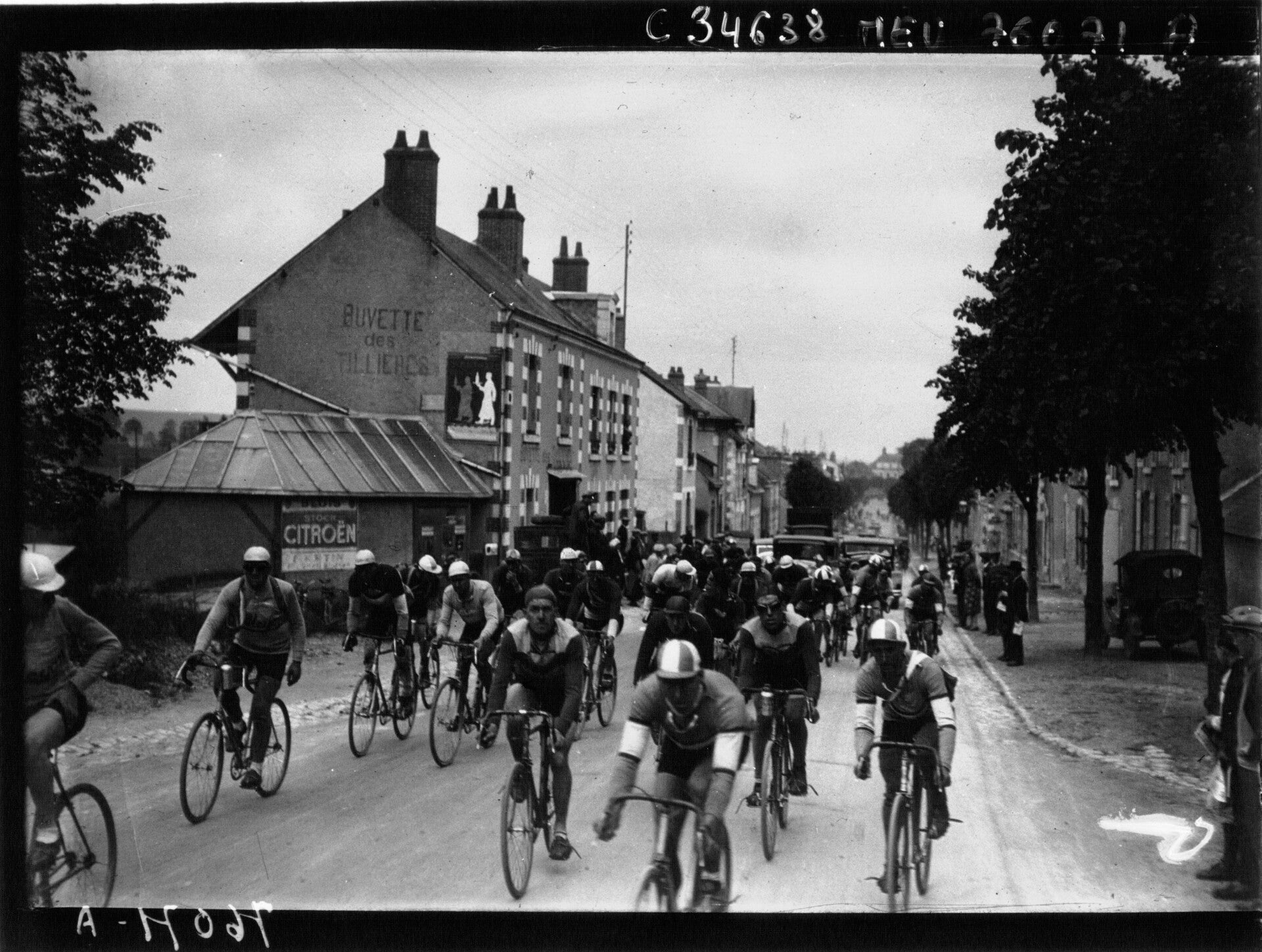
Am dritten Tag in Folge mussten die Fahrer aufs Rad steigen. Immerhin wurde der Startschuss diesmal erst um 7 Uhr gegeben, sodass die Fahrer ein wenig mehr Schlaf abbekommen haben.

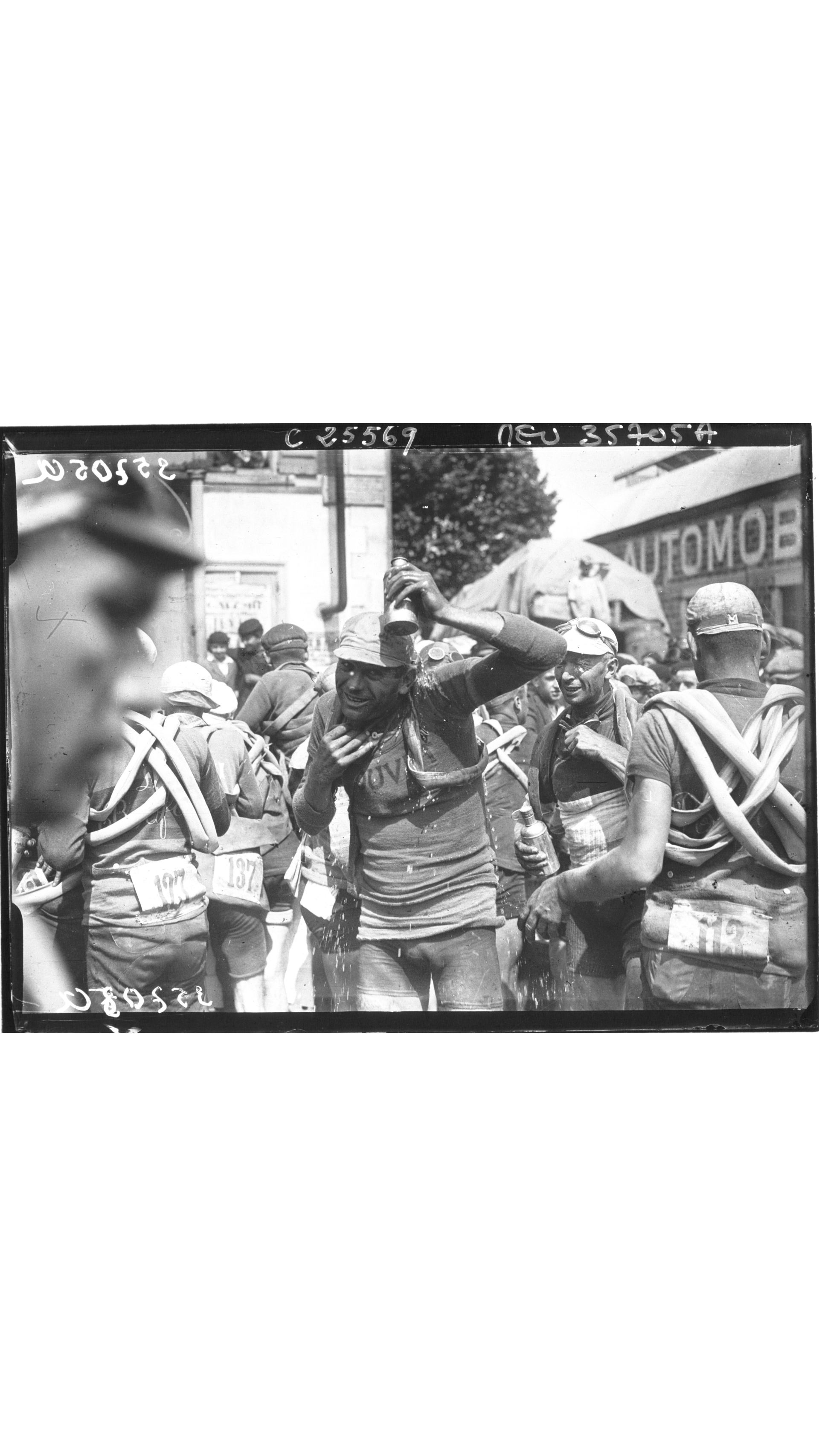
Erneut war es ein brütend heißer Tag, sodass sich auch Gustave Van Slembroeck im Gelben Trikot bei jeder Gelegenheit Wasser über den Kopf goss.
Gustave Van Slembroeck
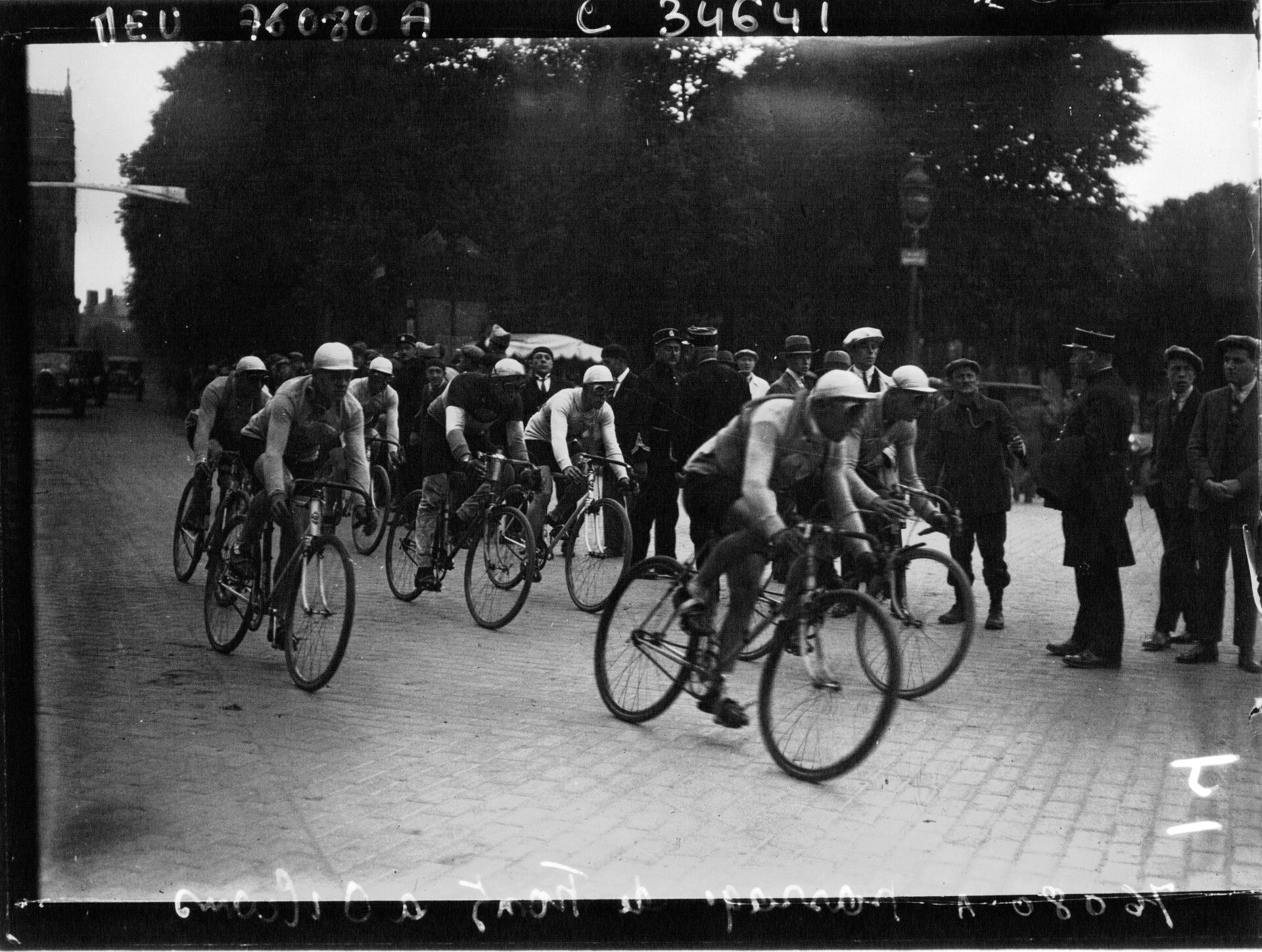
 

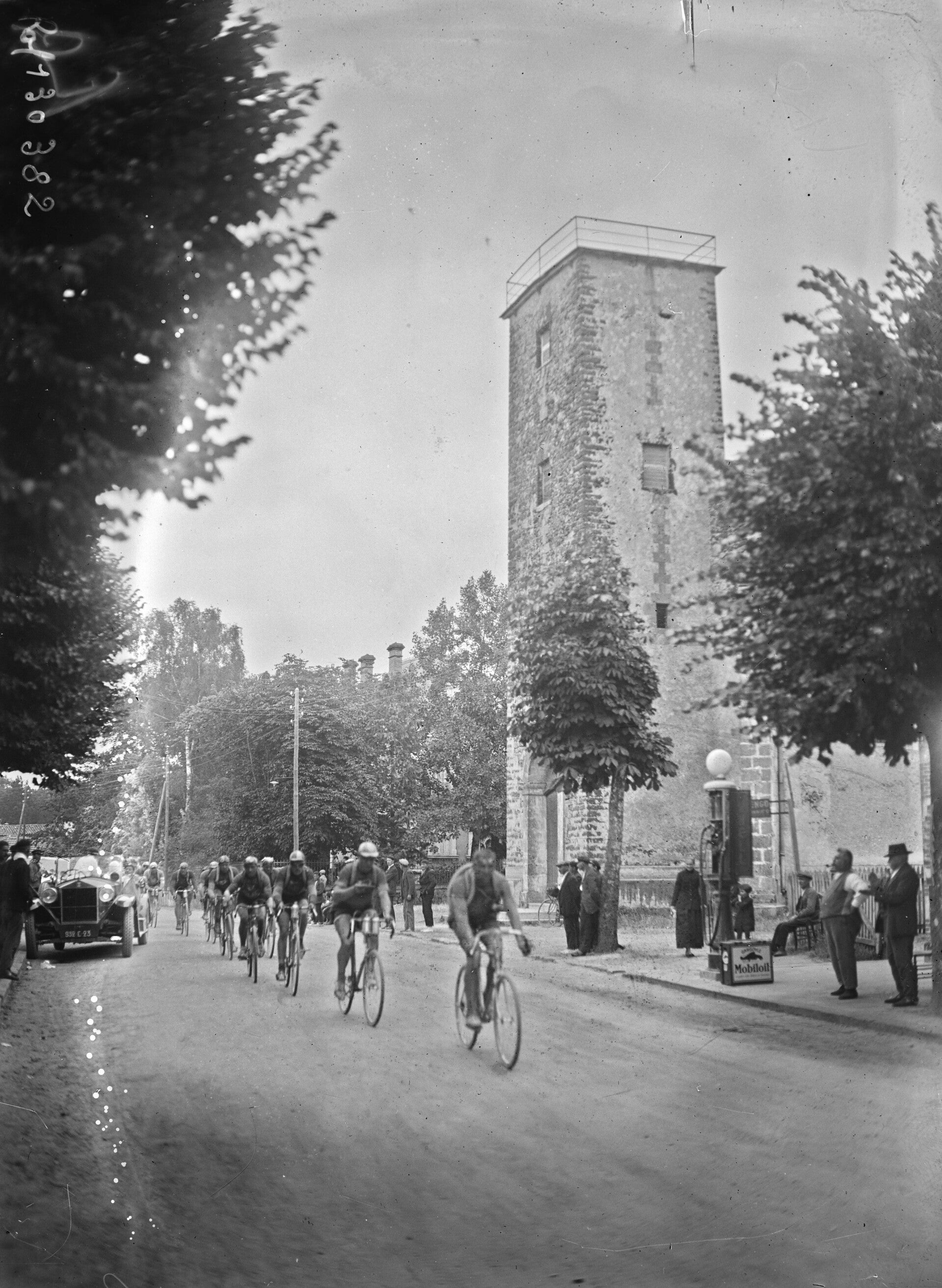
Viel ereignete sich nicht auf der 189 km kurzen Etappe, das Peloton blieb von Anfang bis Ende kompakt zusammen. Nach der Durchfahrt von Labouheyre passierten die Fahrer das Denkmal für Henri Béconnais – jenem Radrennfahrer, der in den Motorsport gewechselt war und 1904 hier auf einer Testfahrt verunglückt war.
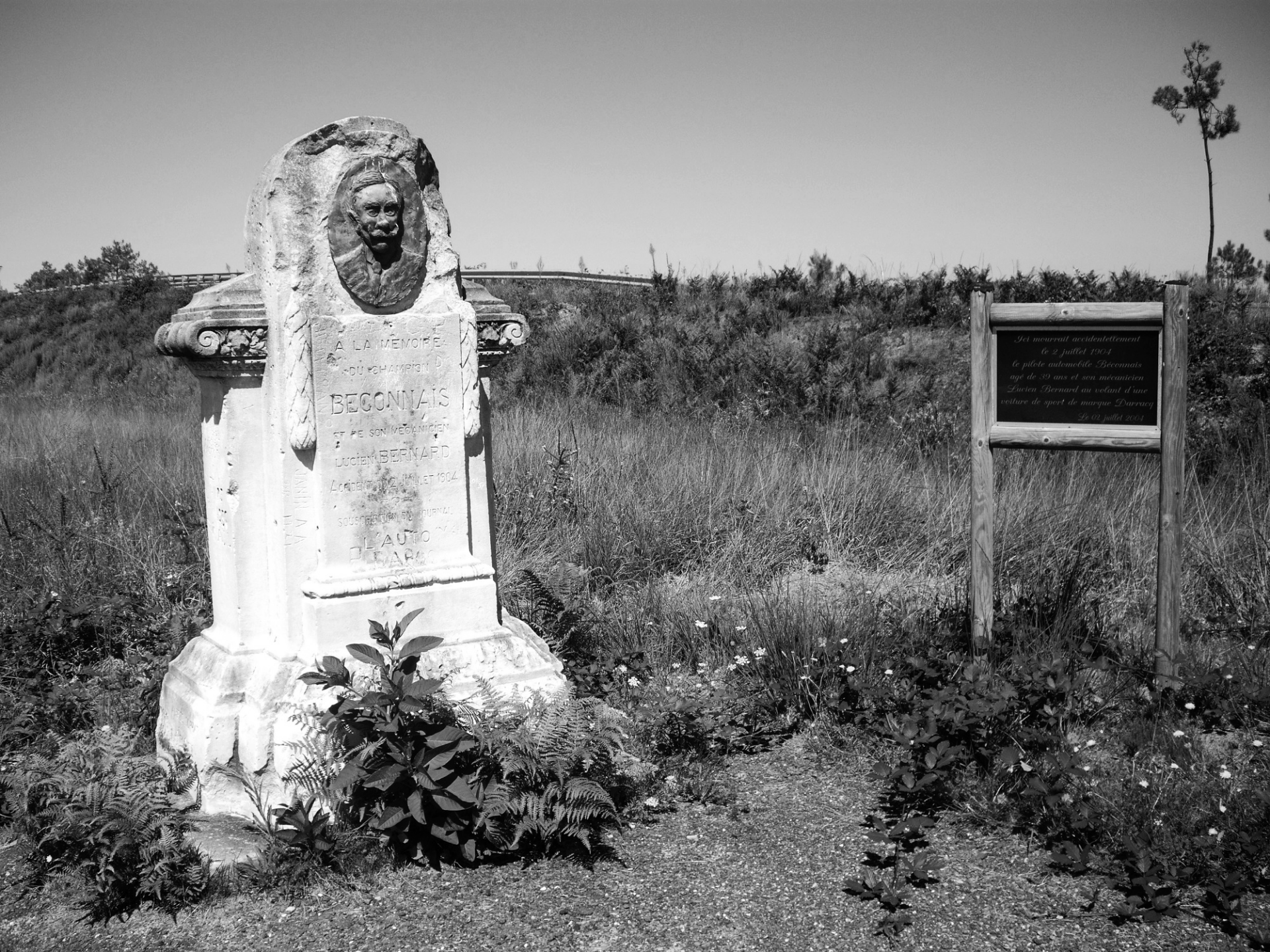
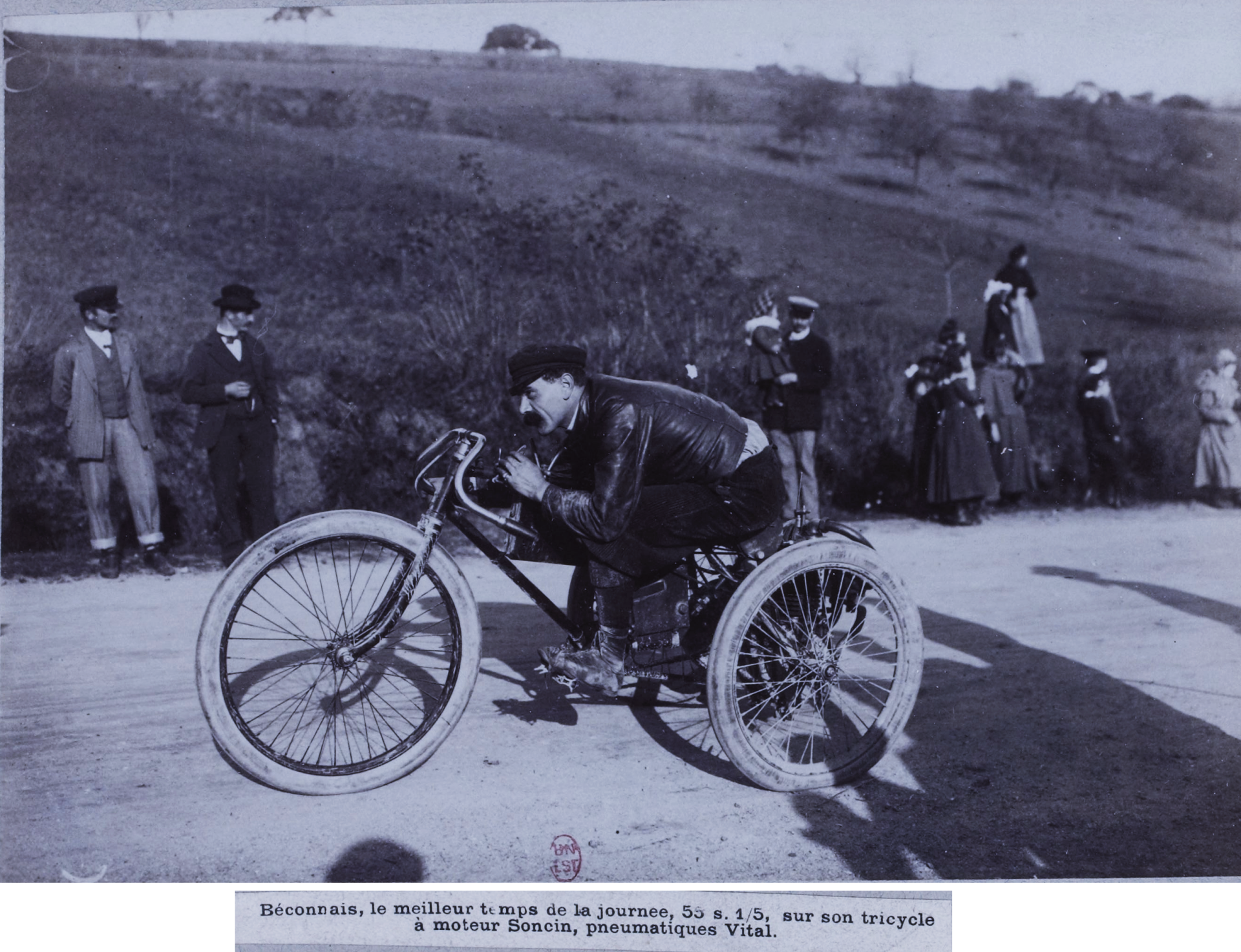
 

Henri Béconnais
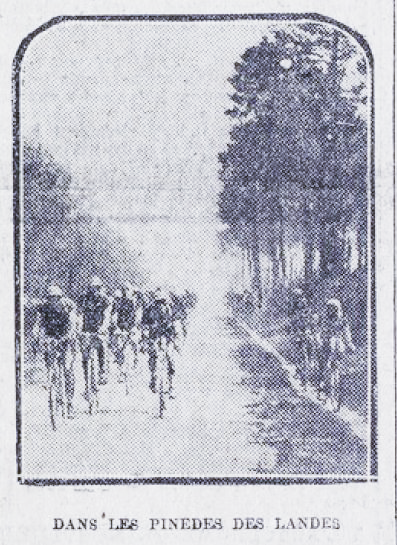
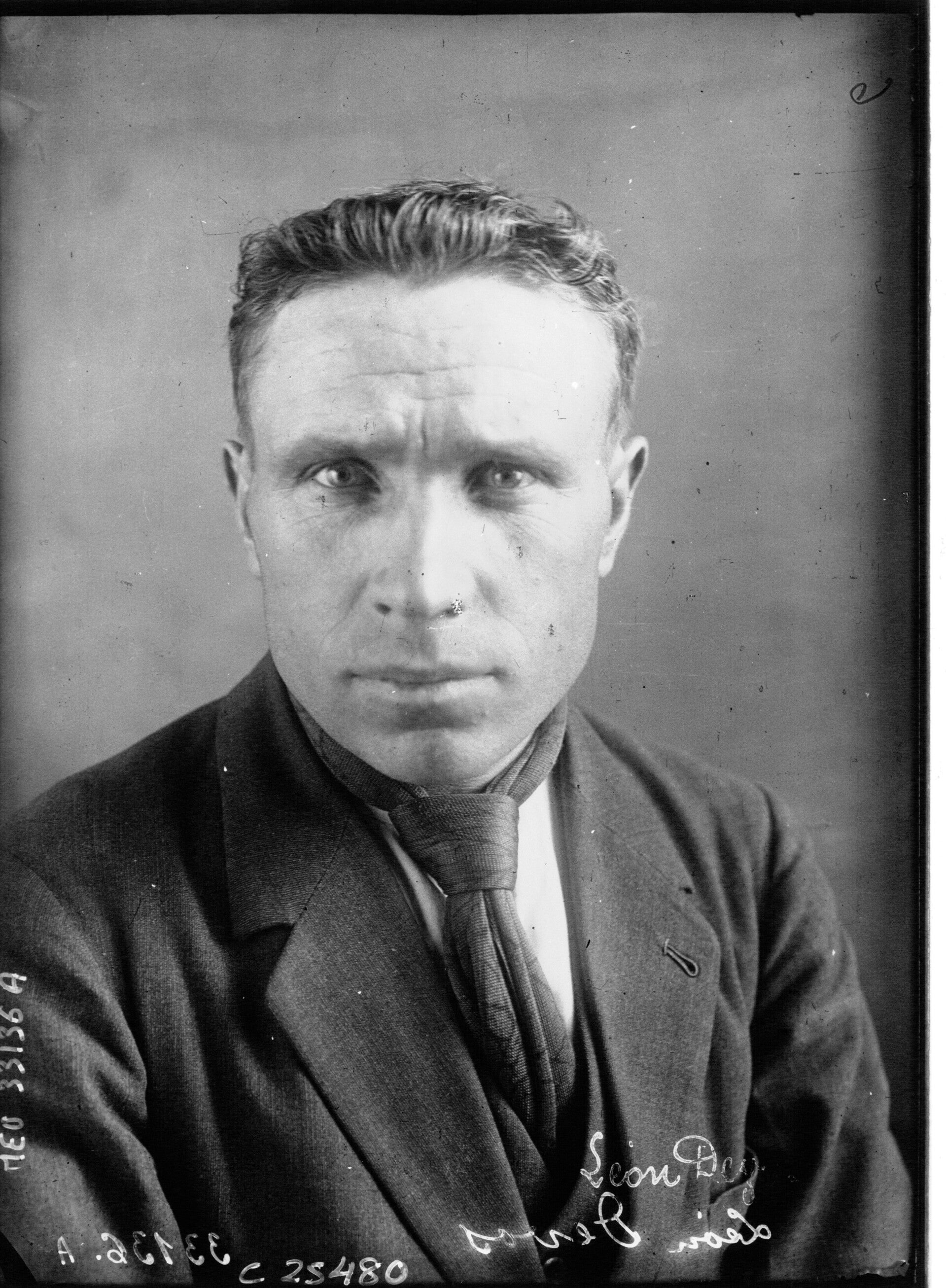
Léon Devos


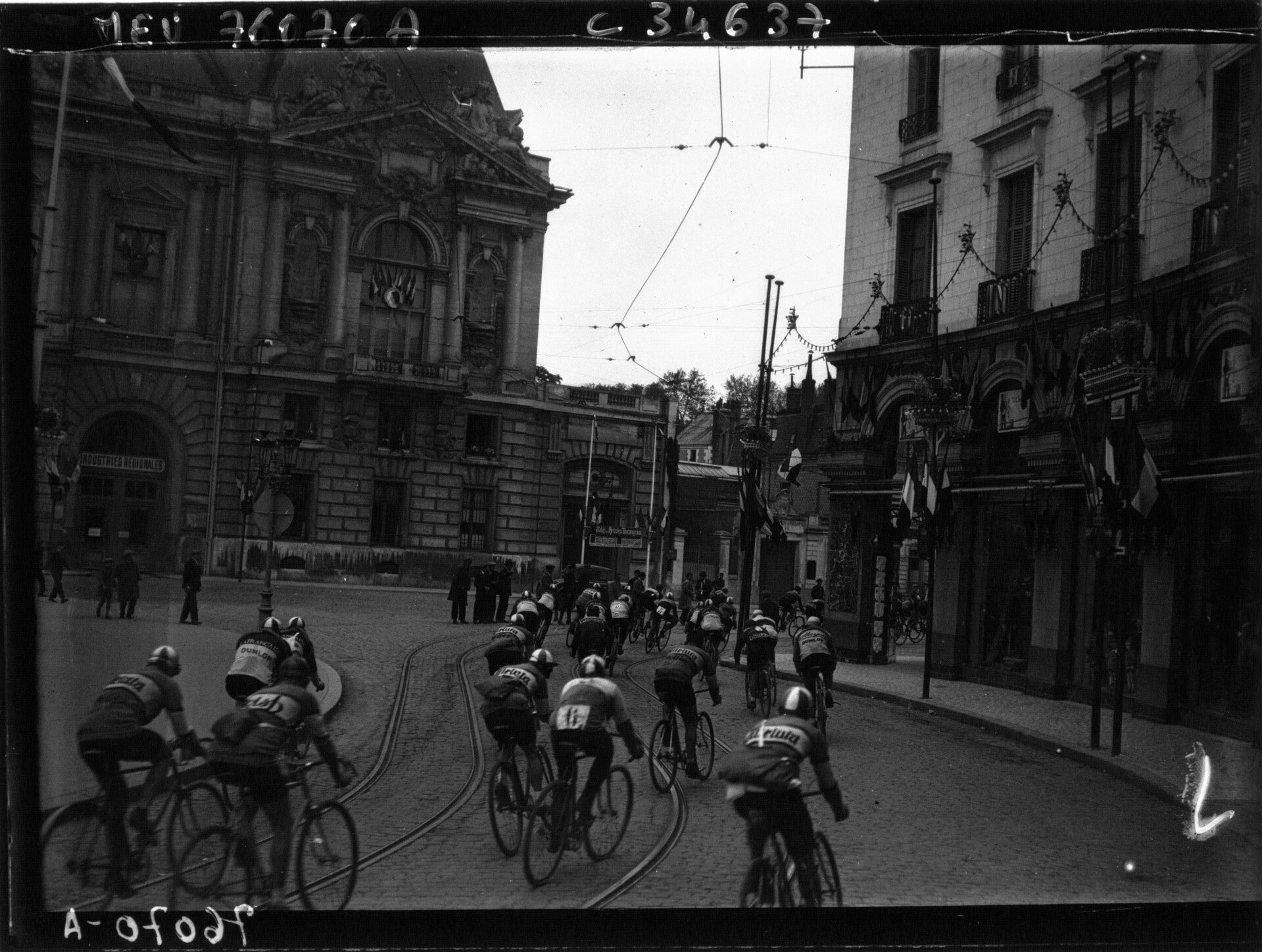
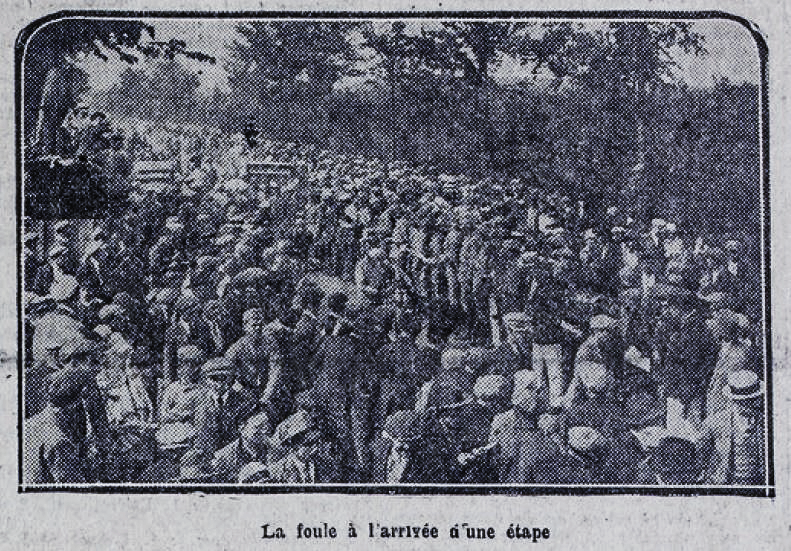
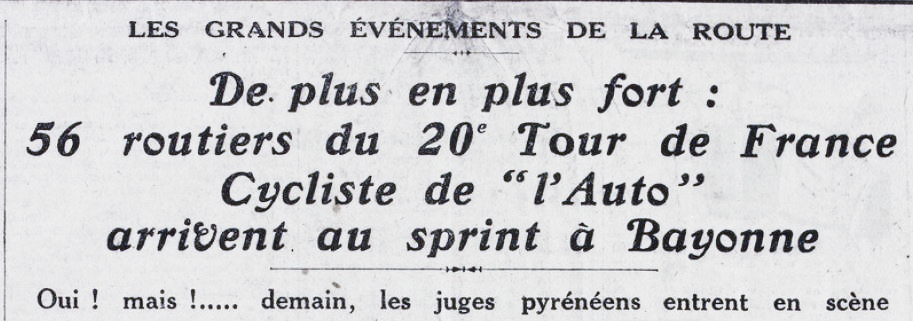
Bedächtig ging es weiter durch das Flachland der Landes. Erst 8 km vor dem Ziel versuchte es Léon Devos mit einer Attacke, die aber nicht von Erfolg gekrönt war. Schließlich kamen 56 Fahrer als Pulk ins Ziel, wo wieder die Zuschauermassen die Straßen säumten.

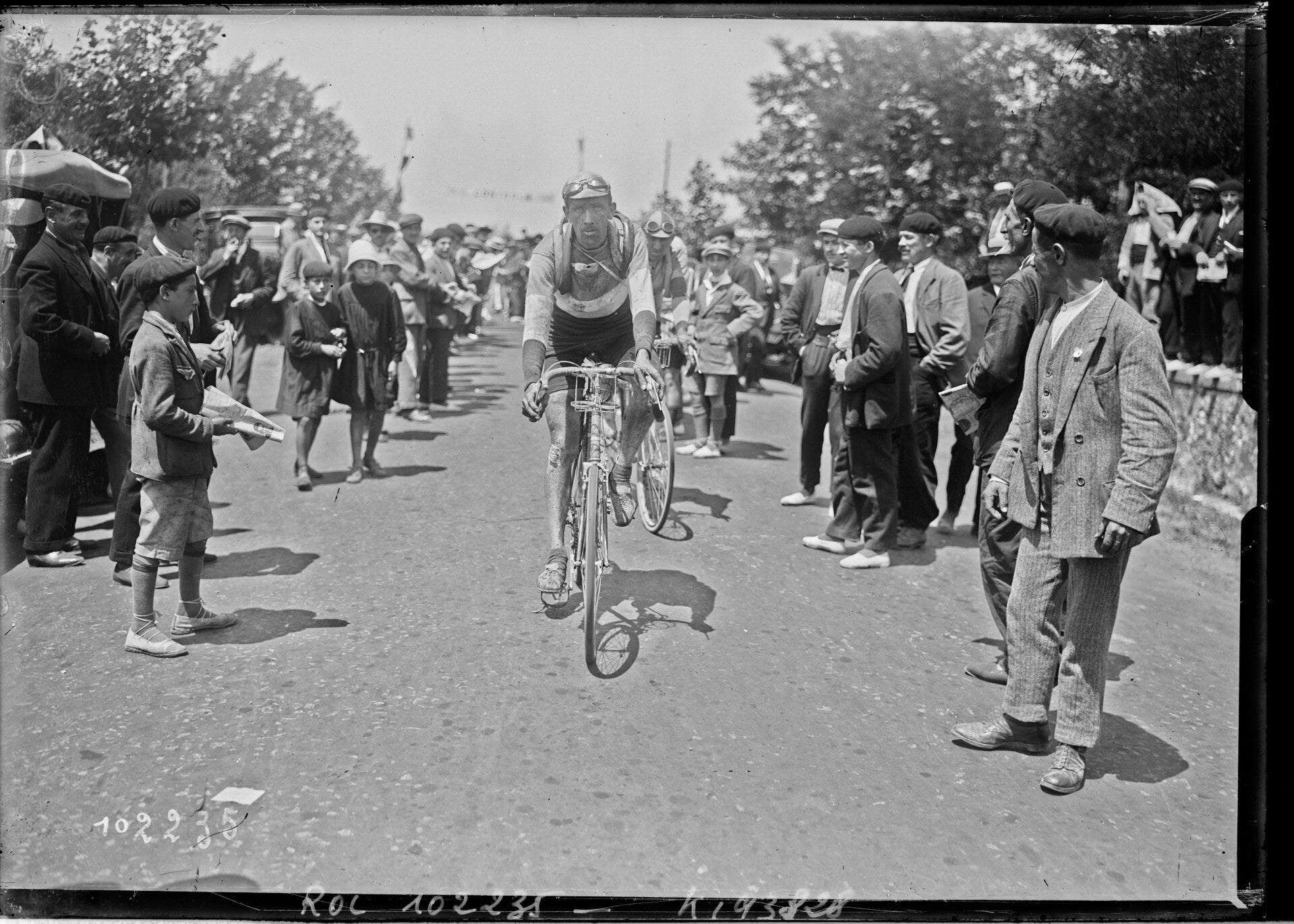
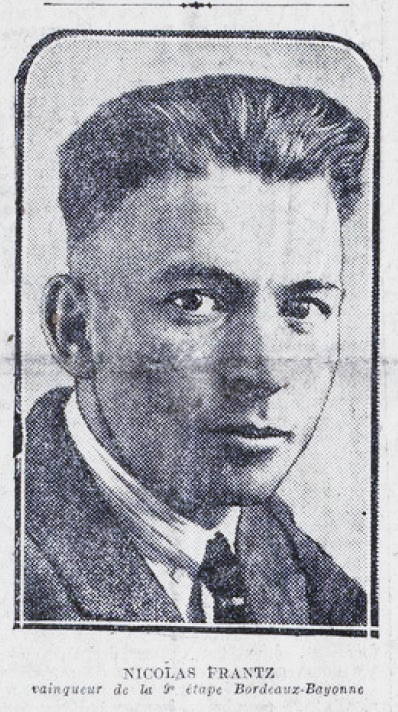
Im Sprint war zum zweiten Mal der Luxemburger Nicolas Frantz der Schnellste, der seinem Team Alcyon-Dunlop damit den nächsten Etappensieg bescherte. In der Gesamtwertung gab es erneut keine Veränderungen – vermutlich zum letzten Mal. Denn ab jetzt ging es in die Berge!

 

Klicken zum Vergrößern
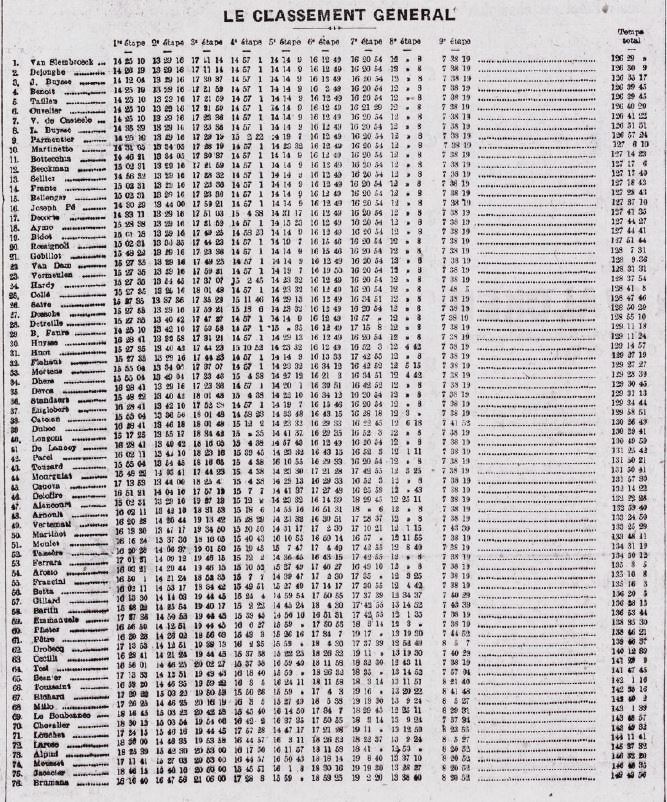
Etappenergebnis

1. Nicolas Frantz (LUX, Alcyon-Dunlop) 7h38‘19“

2. Joseph Van Dam (BEL, Automoto-Hutchinson) +0“

3. Félix Sellier (BEL, Alcyon-Dunlop) +0“

4. Raymond Decorte (BEL, J.-B. Louvet-Wolber) +0“

5. Jean Mertens (BEL, Labor-Dunlop) +0“

6. Henri Tesi (FRA, touriste-routier/Toulon) +0“

7. Louis Delannoy (BEL, Labor-Dunlop) +0“

8. Ottavio Bottecchia (ITA, Automoto-Hutchinson) +0“

9. Lucien Buysse (BEL, Automoto-Hutchinson) +0“

10. Aimé Dossche (BEL, Christophe-Hutchinson) +0“

Gesamtklassement

1. Gustave Van Slembroeck (BEL, J.-B. Louvet-Wolber) 126h29‘0“

2. Albert Dejonghe (BEL, J.-B. Louvet-Wolber) +1‘9“

3. Jules Buysse (BEL, Automoto-Hutchinson) +6‘17“

4. Adelin Benoît (BEL, Alcyon-Dunlop) +10‘45“

5. Odiel Taillieu (BEL, J.-B. Louvet-Wolber) +10‘45“

6. Georges Cuvelier (FRA, Météore-Wolber) +11‘20“

7. Camille Van de Casteele (BEL, J.-B. Louvet-Wolber) +12‘22“

8. Lucien Buysse (BEL, Automoto-Hutchinson) +22‘51“

9. Léon Parmentier (BEL, Jean Louvet-Hutchinson) +28‘24“

10. Secondo Martinetto (ITA, Météore-Wolber) +37‘10“

English

Stage 9: Bordeaux - Bayonne

5th July 1926

(189  kilometers, 339 meters of climbing)

Français

Étape 9 : Bordeaux - Bayonne

5 juillet 1926 

(189 kilomètres, 339 mètres de dénivelé)

Stage start: Bordeaux

Bordeaux is not only the largest city in southwestern France, but also the region's most important political, economic, and cultural hub. By 1926, Bordeaux already had a population of over a quarter of a million. It is not without reason that the metropolis has long been referred to as France's second capital. The city on the Garonne River is world-famous, not least thanks to its cuisine and its wine, which has become a symbol of France's culinary pleasures.

Bordeaux also holds a very special significance for the Tour de France. The city has hosted a stage start 57 times and a stage finish 80 times. It can boast of being the most frequent stage host after Paris.

The list of stage winners in Bordeaux reads like a who's who of cycling: Louison Bobet and Rik Van Looy raised their arms in celebration here, just like Eddy Merckx, Erik Zabel, and Mark Cavendish.

The stages were particularly frequently decided in bunch sprints, earning Bordeaux the nickname "City of Sprinters." And who hasn't been seen in yellow in Bordeaux? Fausto Coppi, Jacques Anquetil, Rudi Altig, Luis Ocaña, Didi Thurau, Bernard Hinault, Miguel Indurain, and most recently in 2023, Jonas Vingegaard.

🐭 And a little something for the culture lovers among us: Of course, the quote "Take Versailles and mix Antwerp into it, and you have Bordeaux" is not about the fine wine, but about the city's beautiful architecture! But which famous French poet coined this phrase…?

Route: Bordeaux - Bayonne

Stage 9 was the shortest and flattest stage of the 1926 Tour de France. However, this likely played to the riders' advantage, as they had to get on their bikes for the third consecutive day. In addition, the grueling Pyrenean stage was just around the corner.

After starting on the southern outskirts of Bordeaux, the riders headed further south. Typical for the Landes department are the long straight stretches through the flat terrain. At least the riders could hope for a bit of shade, as the area was heavily forested.

In the final kilometers, however, the peloton still had to climb three rolling hills. The finish line was also located just before Bayonne at the crest of a small hill, the Plateau de Saint-Étienne, forcing the riders into an uphill sprint after a long, flat 189 km approach.

Stage Report

Hello, bonjour, and guten Tag to Stage 9! For the third day in a row, the riders had to get on their bikes. At least this time the starting gun wasn't fired until 7 a.m., allowing the riders to get a little more sleep. It was another brutally hot day, so even Gustave Van Slembroeck in the Yellow Jersey poured water over his head at every opportunity. Not much happened on the short 189 km stage; the peloton remained compactly together from start to finish. After passing through Labouheyre, the riders went past the monument for Henri Béconnais – the racing cyclist who had switched to motorsport and tragically died here during a test drive in 1904. The ride continued at a cautious pace through the flatlands of the Landes. It wasn't until 8 km before the finish that Léon Devos attempted an attack, but it was not crowned with success. In the end, a bunch of 56 riders crossed the finish line together, where crowds of spectators lined the streets once again. In the sprint, the Luxembourger Nicolas Frantz was the fastest for the second time, securing another stage victory for his Alcyon-Dunlop team. There were no changes in the general classification once again – presumably for the last time. Because from now on, it was time for the mountains!

Stage result

1. Nicolas Frantz (LUX, Alcyon-Dunlop) 7h38‘19“

2. Joseph Van Dam (BEL, Automoto-Hutchinson) +0“

3. Félix Sellier (BEL, Alcyon-Dunlop) +0“

4. Raymond Decorte (BEL, J.-B. Louvet-Wolber) +0“

5. Jean Mertens (BEL, Labor-Dunlop) +0“

6. Henri Tesi (FRA, touriste-routier/Toulon) +0“

7. Louis Delannoy (BEL, Labor-Dunlop) +0“

8. Ottavio Bottecchia (ITA, Automoto-Hutchinson) +0“

9. Lucien Buysse (BEL, Automoto-Hutchinson) +0“

10. Aimé Dossche (BEL, Christophe-Hutchinson) +0“

Overall standings

1. Gustave Van Slembroeck (BEL, J.-B. Louvet-Wolber) 126h29‘0“

2. Albert Dejonghe (BEL, J.-B. Louvet-Wolber) +1‘9“

3. Jules Buysse (BEL, Automoto-Hutchinson) +6‘17“

4. Adelin Benoît (BEL, Alcyon-Dunlop) +10‘45“

5. Odiel Taillieu (BEL, J.-B. Louvet-Wolber) +10‘45“

6. Georges Cuvelier (FRA, Météore-Wolber) +11‘20“

7. Camille Van de Casteele (BEL, J.-B. Louvet-Wolber) +12‘22“

8. Lucien Buysse (BEL, Automoto-Hutchinson) +22‘51“

9. Léon Parmentier (BEL, Jean Louvet-Hutchinson) +28‘24“

10. Secondo Martinetto (ITA, Météore-Wolber) +37‘10“

Ville d'étape: Bordeaux

Bordeaux est non seulement la plus grande ville du sud-ouest de la France, mais aussi la plus importante de la région sur les plans politique, économique et culturel. En 1926, Bordeaux comptait déjà plus d'un quart de million d'habitants. Ce n'est pas pour rien que la métropole a toujours été qualifiée de « deuxième capitale de la France ». La ville située sur la Garonne est mondialement célèbre, notamment grâce à sa gastronomie et à son vin, devenu le symbole des plaisirs culinaires français.

Bordeaux revêt également une importance toute particulière pour le Tour de France. La ville a été 57 fois ville de départ et 80 fois ville d'arrivée d'une étape. Elle peut se targuer d'être la ville étape la plus fréquente après Paris.

Le palmarès des vainqueurs de l'étape de Bordeaux se lit comme le Who's Who du cyclisme : Louison Bobet et Rik Van Looy y ont levé les bras au ciel en signe de victoire, tout comme Eddy Merckx, Erik Zabel et Mark Cavendish.

Les étapes se sont particulièrement souvent décidées lors d'un sprint massif, ce qui a valu à Bordeaux le surnom de « ville des sprinteurs ». Et qui n'a-t-on pas vu en jaune à Bordeaux ? Fausto Coppi, Jacques Anquetil, Rudi Altig, Luis Ocaña, Didi Thurau, Bernard Hinault, Miguel Indurain et, plus récemment en 2023, Jonas Vingegaard.

🐭 Et un petit bonus pour les amoureux de la culture : Bien sûr, la citation « Prenez Versailles et mêlez-y Anvers, vous aurez Bordeaux » ne fait pas référence au précieux breuvage, mais à la magnifique architecture de la ville ! Mais de quel célèbre poète français provient cette citation… ?

Parcours: Bordeaux - Bayonne

La 9e étape était la plus courte et la plus plate du Tour de France 1926. Cela a dû arranger les coureurs, qui devaient pourtant remonter sur leur vélo pour le troisième jour consécutif. De plus, la difficile étape des Pyrénées se profilait à l'horizon.

Après le départ de la banlieue sud de Bordeaux, les coureurs ont continué en direction du sud. Les longues lignes droites à travers la plaine sont typiques du département des Landes. Les coureurs pouvaient au moins espérer un peu d'ombre, car la région était très boisée.

Dans les derniers kilomètres, le peloton a tout de même dû franchir trois petites bosses. L'arrivée se situait également juste avant Bayonne, au sommet d'une petite colline, le Plateau de Saint-Étienne. Ainsi, après 189 km d'un parcours plat, les coureurs ont été contraints à un sprint en côte.

Rapport d'étape

Hello, bonjour et guten Tag pour la 9e étape !

Pour le troisième jour consécutif, les coureurs ont dû monter sur leur vélo. Heureusement, le coup d'envoi n'a été donné qu'à 7 heures du matin cette fois-ci, ce qui a permis aux coureurs de dormir un peu plus. C'était à nouveau une journée de chaleur torride, si bien que même Gustave Van Slembroeck, revêtu du Maillot Jaune, s'est versé de l'eau sur la tête à la moindre occasion. Il ne s'est pas passé grand-chose sur cette courte étape de 189 km, le peloton restant groupé du début à la fin. Après avoir traversé Labouheyre, les coureurs sont passés devant le monument dédié à Henri Béconnais – ce coureur cycliste qui s'était tourné vers les sports mécaniques et qui s'était tué ici en 1904 lors d'un essai. La course s'est poursuivie tranquillement à travers les plaines des Landes. Ce n'est qu'à 8 km de l'arrivée que Léon Devos a tenté une attaque, qui n'a cependant pas été couronnée de succès. Finalement, un groupe de 56 coureurs est arrivé ensemble sur la ligne, où la foule de spectateurs bordait à nouveau les rues. Au sprint, c'est le Luxembourgeois Nicolas Frantz qui s'est montré le plus rapide pour la deuxième fois, offrant ainsi une nouvelle victoire d'étape à son équipe Alcyon-Dunlop. Au classement général, il n'y a de nouveau eu aucun changement – probablement pour la dernière fois. Car à partir de maintenant, place à la montagne !

Résultat de l'étape

1. Nicolas Frantz (LUX, Alcyon-Dunlop) 7h38‘19“

2. Joseph Van Dam (BEL, Automoto-Hutchinson) +0“

3. Félix Sellier (BEL, Alcyon-Dunlop) +0“

4. Raymond Decorte (BEL, J.-B. Louvet-Wolber) +0“

5. Jean Mertens (BEL, Labor-Dunlop) +0“

6. Henri Tesi (FRA, touriste-routier/Toulon) +0“

7. Louis Delannoy (BEL, Labor-Dunlop) +0“

8. Ottavio Bottecchia (ITA, Automoto-Hutchinson) +0“

9. Lucien Buysse (BEL, Automoto-Hutchinson) +0“

10. Aimé Dossche (BEL, Christophe-Hutchinson) +0“

Classement général

1. Gustave Van Slembroeck (BEL, J.-B. Louvet-Wolber) 126h29‘0“

2. Albert Dejonghe (BEL, J.-B. Louvet-Wolber) +1‘9“

3. Jules Buysse (BEL, Automoto-Hutchinson) +6‘17“

4. Adelin Benoît (BEL, Alcyon-Dunlop) +10‘45“

5. Odiel Taillieu (BEL, J.-B. Louvet-Wolber) +10‘45“

6. Georges Cuvelier (FRA, Météore-Wolber) +11‘20“

7. Camille Van de Casteele (BEL, J.-B. Louvet-Wolber) +12‘22“

8. Lucien Buysse (BEL, Automoto-Hutchinson) +22‘51“

9. Léon Parmentier (BEL, Jean Louvet-Hutchinson) +28‘24“

10. Secondo Martinetto (ITA, Météore-Wolber) +37‘10“